

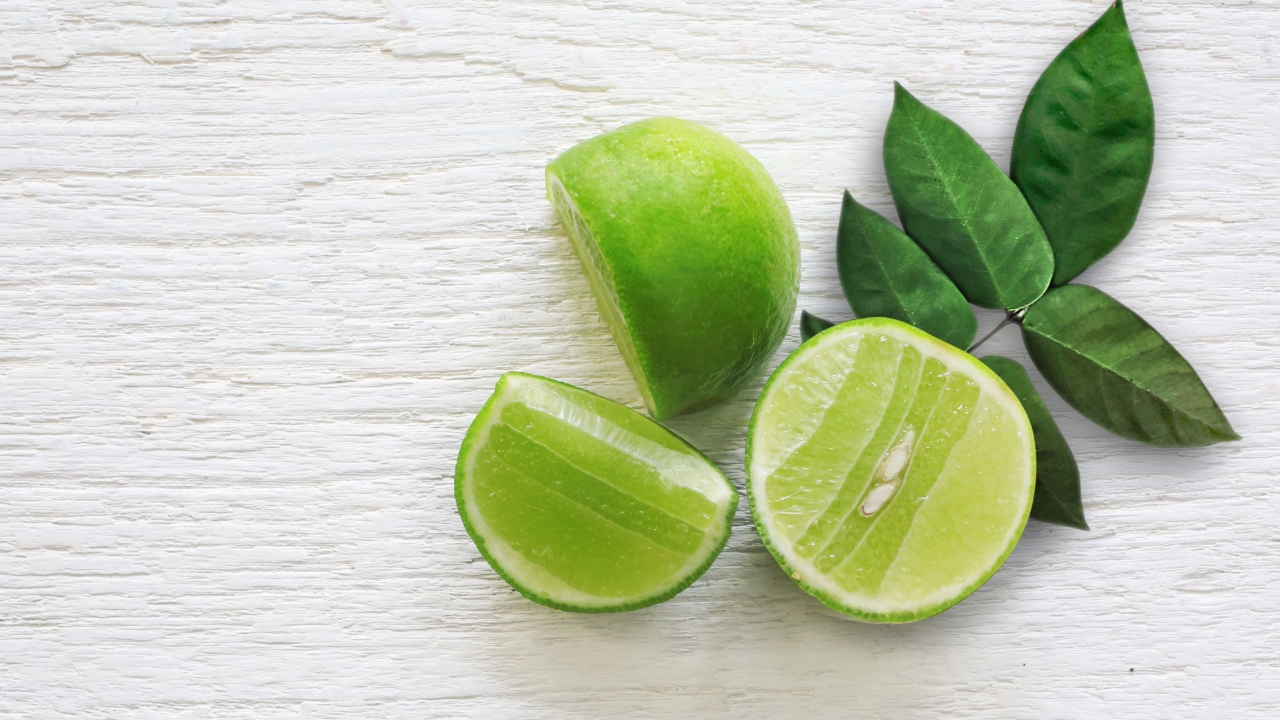
Many people squeeze lemons and immediately toss the lemon peels into the trash, unaware that these small leftovers actually hide numerous benefits. They can be used for cleaning, deodorizing, or refreshing the home easily because lemon peels contain essential oils and natural acids that have various practical uses.
If you enjoy budget-friendly, natural home tips, this is a must-read. Thairath Online has compiled 10 everyday uses of "lemon peels" that many people may not know about, as follows.
1. Spa treatment for elbows and heels to reduce roughness.
Dry, darkened skin areas like elbows, knees, or heels can benefit greatly from lemon peels. The natural fruit acids (AHAs) and essential oils gently exfoliate dead skin cells.
How to use: Take lemon peels after juicing (sprinkle a little sugar or fine salt on the peel for better effect), then gently rub on dry areas. Leave on for 5-10 minutes before rinsing. Repeat 2-3 times a week for softer, brighter skin.
2. Clean your microwave: stubborn stains disappear in 5 minutes.
No need to scrub greasy or splattered food stains inside the microwave hard. Just harness the power of steam from lemon peels.
How to use : Place lemon peels in a heatproof cup, add enough water to cover, microwave on high for 3-5 minutes. The steam containing lemon acid will coat the microwave walls, loosening stains. Let it cool slightly, then wipe clean with a cloth. It also effectively absorbs unpleasant odors.
3. Natural repellent against ants and pesky insects without chemicals.
Small insects, especially ants, hate the scent of limonene oil found in lemon peels. When they smell it, they quickly relocate their nests.
How to use: Place lemon peels in dark corners, inside cupboards, or along ant trails. Alternatively, boil peels in water and spray the liquid around the house. This 100% natural method is safe for children and pets.
4. Clean cutting boards and kitchenware to eliminate fishy odors.
Wooden or plastic cutting boards used for meat or fish often retain strong odors and bacteria, which regular dish soap may not fully remove.
How to use: Sprinkle salt evenly over the board, then use the inside of a lemon peel as a scrubber to clean thoroughly. The salt helps scrub grime, while the lemon’s acid and oils kill bacteria and neutralize odors effectively.

5. Deodorize trash bins and drains.
Even with frequent bag changes, damp odors linger at the bottom of trash bins. Lemon peels can instantly refresh these smells.
How to use : Place 2-3 lemon peels at the bottom of the bin, under the trash bag, to inhibit odor-causing bacteria. For kitchens with food waste disposers, toss lemon peels into the grinder with running water to clean grease buildup and freshen drains.
6. Detoxify refrigerators and remove stale food odors.
If your fridge houses various foods with clashing smells, lemon peels can clear the air and restore freshness.
How to use: Put lemon peels in a small bowl and leave it inside the fridge. The acid and essential oils absorb musty and leftover food odors, naturally refreshing the space without harming stored cooked food.
7. Remove grease from dishes, making washing easier.
Fried or coconut milk-based dishes often leave greasy residue on plates, plastic containers, or Tupperware, requiring multiple washes. Lemon peels ease this chore.
How to use : The mild acid and natural oils in lemon peels cut through grease. Rub the inner side of the peel on greasy dishes before washing as usual to noticeably reduce oily residue.
8. Natural barrier against ants and insects around window crevices.
The strong scent of lemon peel disrupts the navigation of small insects.
How to use : Place lemon peels in room corners, window edges, or spots where ants and insects often cross. The scent deters them, helping reduce indoor pest problems to some extent.
9. Aromatherapy: turn your home into a spa with fresh scents.
No need to buy expensive chemical air fresheners. You can easily make natural home fragrances yourself.
How to use: Boil lemon peels in water, optionally adding herbs like pandan leaves or cinnamon for a softer aroma. The steam disperses refreshing scents, creating a relaxing atmosphere and reducing musty odors safely.

10. Spa treatment for stainless steel kitchenware: polish faucets and sinks to a shine.
Water spots and soap scum on faucets, sinks, or stainless steel kitchenware dull the metal’s appearance.
How to use : Rub fresh lemon peels directly onto stains on faucets, sinks, or stainless steel items. The natural acid dissolves grime and mineral deposits easily. Rinse with clean water and dry to restore shine.
See how lemon peels that many consider waste can actually be reused in many ways, saving money and reducing household waste simultaneously. Next time you have lemons in your kitchen, keep the peels for cleaning, freshening, and clever uses—all without spending extra.
Read related articles