

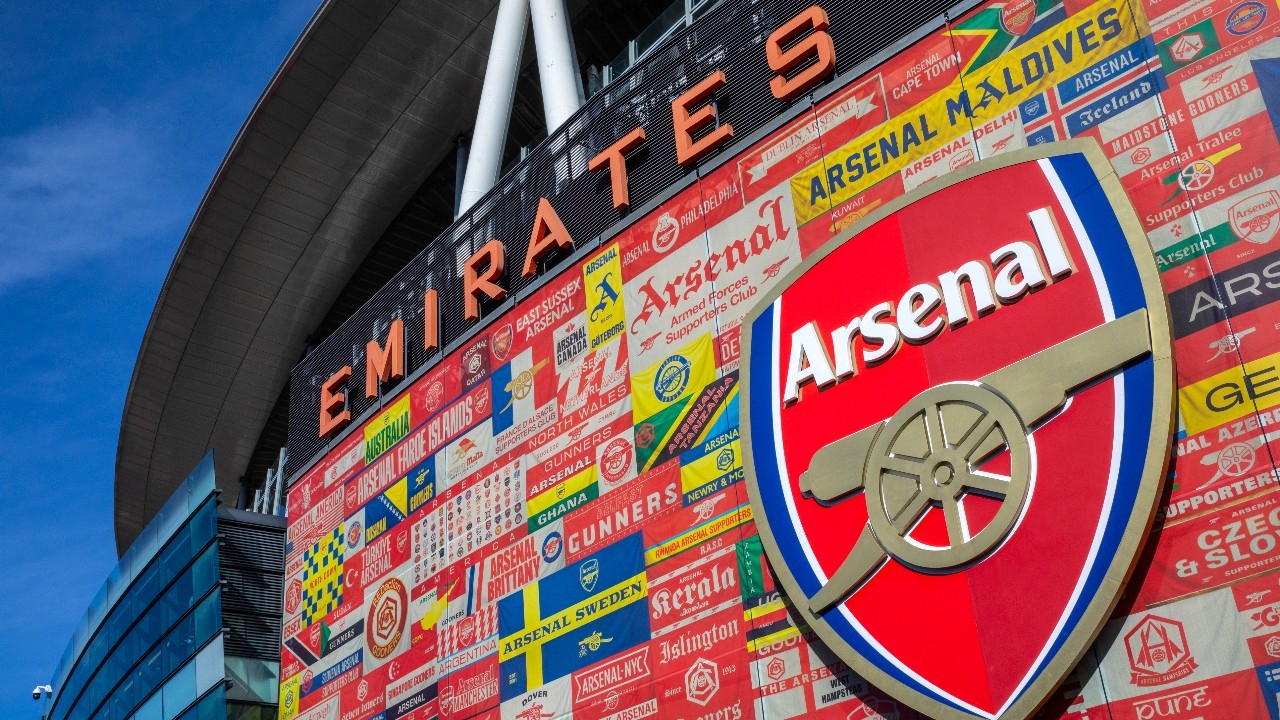
The success of the Arsenal football club on the night of 25 May 2026, under the management of Mikel Arteta, createda phenomenonthat was fascinating. Beyond the fans' heartfelt joy after waiting 22 years for this achievement,
Thairath Online invites you to explore the concept of Trust the Process and the High Agency work style of the young Spanish coach Mikel Arteta, which has garnered much attention and can be adapted for our own work today.
The team's successArsenaldid not come solely from spending big money on superstar players, but from rebuilding a long-lost organizational culture, with the core principle being adherence to the phrase "Trust the Process" coined by Mikel and the concept of cultivating "High Agency" personnel. This is a valuable lesson that business leaders can effectively apply in team management.
In management terms, High Agency is an individual's ability to control situations and find creative solutions when facing constraints or obstacles.
People with this quality do not surrender to problems, wait for fate or bosses to provide answers, nor say "it can't be done." They consistently ask, "How can this task be accomplished?" Having a High Agency team is like having a driving force that can lead an organization through any crisis.
To transform ordinary employees into proactive, highly effective workers, Arteta laid down three foundational mindsets.
Arteta began his management by establishing strict rules on discipline and dedication that everyone must follow equally. In an office context, leaders must define core values and clear work expectations from the start so everyone understands their role and moves in the same direction.
Patience and consistency are qualities leaders must exemplify. When the team’s form dipped, Arteta never blamed players publicly but encouraged belief in the system. Similarly, office leaders need to create a psychologically safe space where teams feel free to think, experiment, and learn from failure without fear of punishment.
Arsenal players were given freedom to play tactically but could solve on-field problems independently. Empowering employees to make decisions and manage their responsibilities fosters a sense of ownership, which is fundamental for High Agency behavior.
To illustrate practical application, here are three key events where Arteta restructured the team to achieve success—approaches that can also solve organizational challenges.
Managing Toxic High Performers
A major turning point for Arsenal was Arteta's bold decision to drop and terminate the contract of the then-captain and top scorer, Pierre-Emerick Aubameyang, due to repeated disciplinary issues and tardiness. In workplaces, organizations often tolerate toxic behavior from high-performing employees because of their results. Courageously removing such detrimental elements to uphold organizational rules sends a message that no one is above the system and restores respect among committed workers.
Communicating through emotionally engaging vision
Arteta is known as an excellent communicator. In the locker room, he uses everyday objects like a light bulb to inspire, depicting the championship trophy before it shines brightly, or his dog named "Win" to emphasize victory, and illustrating the connection between brain and heart. Leading employees only by numbers or KPIs often results in disengagement. Skilled leaders communicate the "value" of the work so teams understand why they do it, naturally sparking motivation and problem-solving.
Finding and cultivating true leaders
After restructuring, Arteta appointed Martin Ødegaard, a young midfielder without a fierce personality but with high High Agency qualities such as responsibility, hard work, and being a central listener to teammates, as captain. When appointing supervisors or promoting employees, leaders should choose those responsible for results, supportive of the team, and exemplary, rather than the loudest or longest-serving.
Building a High Agency team and standing firm in Trust the Process requires visionary leaders willing to trust, empower, and make decisions for the organization's long-term benefit. When employees believe in the goals and receive proper support, they can maximize their potential to deliver excellent and sustainable results.
Image: istocks