

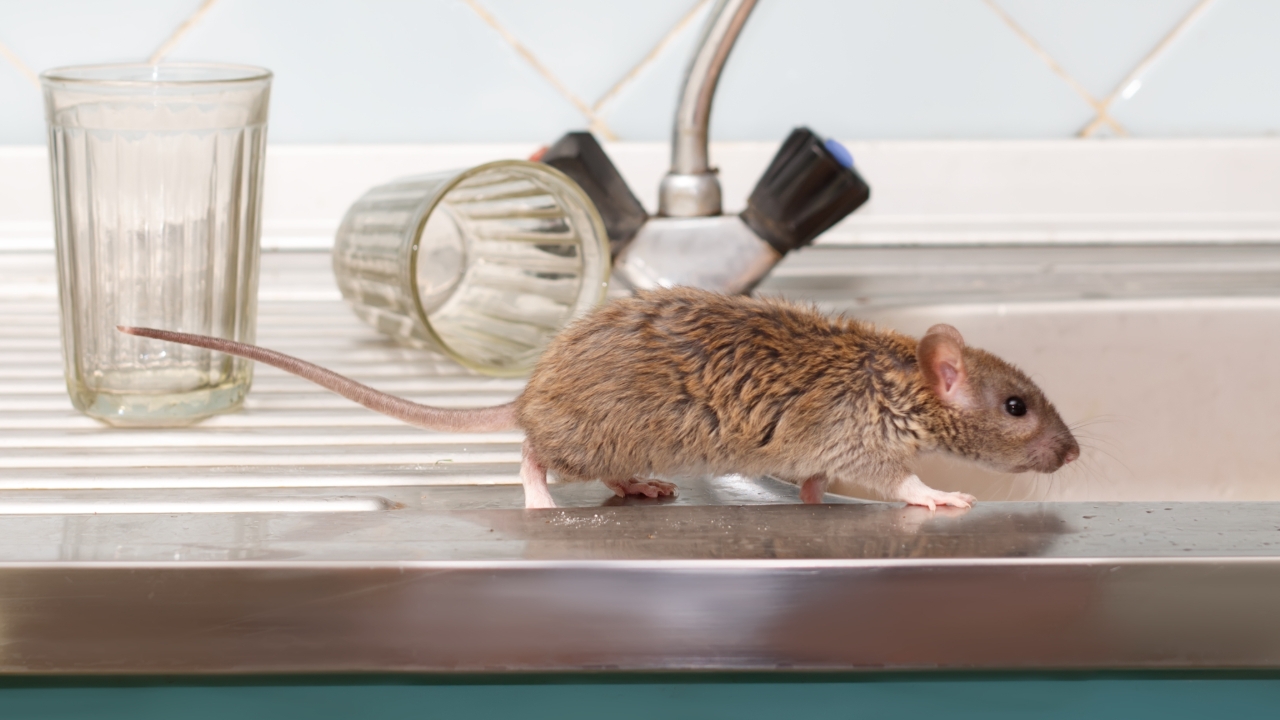
Introduction Permanent methods to repel rats: easy ways to keep them out of your home. Naturally, without causing harm or killing, and safer for people and pets. Because the problem of “ rats entering homes is common for many, whether it’s hearing running noises on the ceiling, chewing electrical wires, rummaging through food, or leaving unpleasant odors in corners. However, many don’t want to use harsh methods like poison, glue traps, or killing animals directly, as they feel uncomfortable and it could affect pets in the home.
Rats can carry diseases, bring dirt, and cause damage such as chewing wires, furniture, or contaminating food. Acting quickly when you notice signs like nighttime noises, rat droppings, or chew marks can reduce problems by using these 10 methods.
1. Use scents that rats dislike
Rats are very sensitive to smells. If your home has strong odors unpleasant to them, they will avoid living there. Scents that repel rats include:
To use, drop essential oil onto cotton balls and place them at vulnerable spots like behind cabinets, under sinks, or in dark corners. The smell disturbs the rats’ sense of smell, encouraging them to move away.
2. Store food securely
The main reason rats enter homes is because “there is food” available, especially crumbs, pet food, or loosely sealed bags. Switching to plastic containers or tightly sealed jars, and regularly sweeping food scraps and taking out garbage daily, greatly reduces the attraction for rats.
3. Seal rat entry points
Sometimes rats don’t want to live in your home but enter because of easy access. Check around your house and seal small holes with wire mesh, silicone, or other materials because rats can squeeze through very small gaps such as:

4. Keep lights on or avoid total silence
Rats prefer dark, quiet, and safe places. Areas with low light or no foot traffic easily become hiding spots. Turning on some lights at night, playing soft sounds, or frequently cleaning storage areas can make rats feel unsafe and unwilling to stay.
5. Use humane live traps
If rats have already entered, you can use non-lethal live traps, a popular method allowing you to catch and release them back into nature. After catching, release them far enough from your home and community to prevent their return.
6. Keep the house tidy
Stacks of boxes, paper, or unused storage corners are perfect hiding and nesting places for rats. The cleaner, more open, and better-ventilated your home is, the harder it is for rats to live. Organizing the house helps prevent infestations long-term.
7. Regularly clean under furniture and dark corners
Many homes only clean visible areas, but spots like under beds, behind cabinets, or under sinks are favored by rats. Sweeping, mopping, vacuuming, and checking for food stains in hidden corners frequently reduces food odors and rat hiding spots.

8. Repair leaks and dripping water
Like all animals, rats need water sources. Leaky pipes, dripping sinks, or constantly damp floors attract them. Regularly inspect kitchens, bathrooms, and plumbing to keep areas dry and clean, decreasing the chance rats will settle.
9. Use sound or electronic rat repellents
There are devices that emit ultrasonic sounds to disturb rats without harming them. Some homes use low-volume noise or radios in storage rooms at night to make rats feel unsafe and encourage them to leave.
10. Plant herbs that repel rats around the home
Natural permanent rat repellents include certain herbs with odors rats dislike, such as:
Nowadays, many people are turning to natural rat repellents more because they reduce harm to animals and are safer for children, pets, and household members. Sometimes simply making the environment unattractive to rats is enough to encourage them to leave without resorting to harsh methods.