

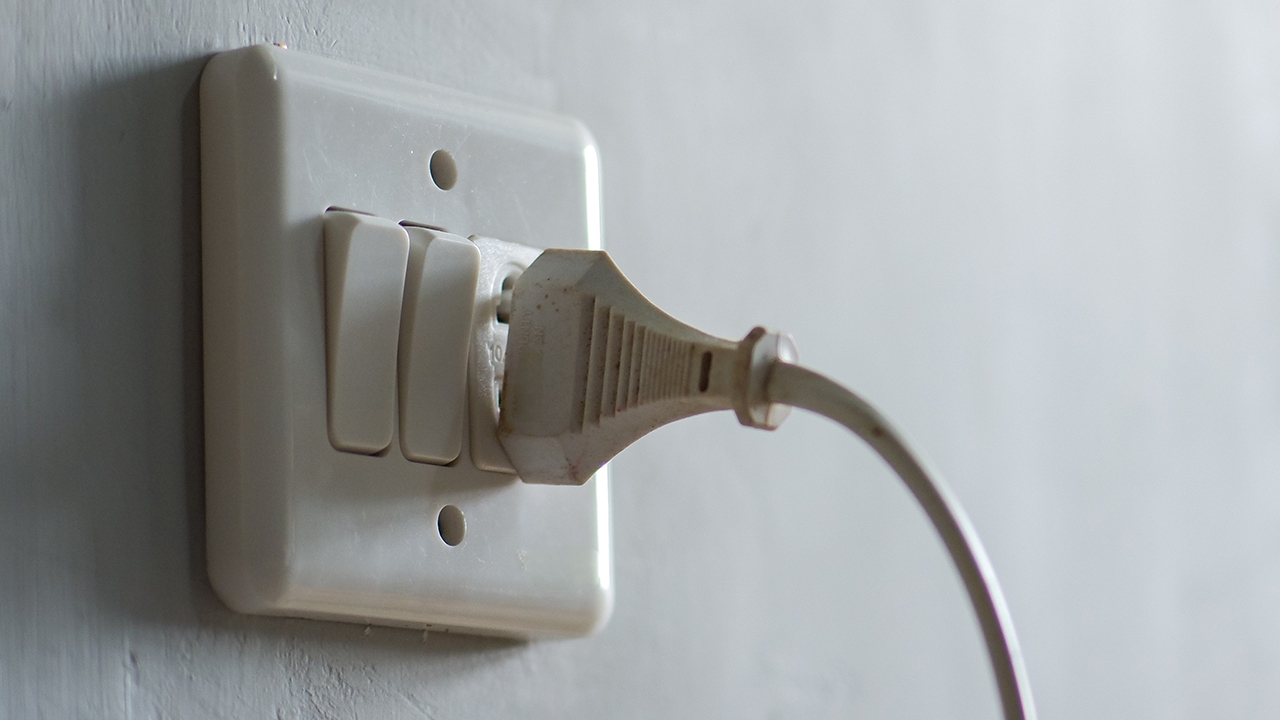
Clarifying the question Are loose electrical plugs dangerous? A silent hazard at home that many overlook, which can be the root cause of electrical short circuits and fires. Check the causes, warning signs, and how to fix it to ensure safety for you and your family.
The problem of loose electrical plugs—where plugs fall out or move easily—is common in many homes and often ignored. When asked, Are loose electrical plugs dangerous? The answer is "very dangerous" and is one of the silent hazards that should be immediately addressed.
Statistics from the Department of Disaster Prevention and Mitigation (DDPM) indicate that one of the leading causes of residential fires is "electrical short circuits." A key but often overlooked cause is the use of worn-out electrical devices, including loose plugs that disrupt the flow of electricity.
Experts in electrical engineering explain that when a plug is loose, the contact between the socket (female) and the plug (male) is not tight, causing increased electrical resistance. The current must jump across the gap (arcing), generating heat buildup. If left unchecked, the plastic around the socket can melt, creating sparks that lead to short circuits and ultimately house fires.
To prevent danger before it's too late, users should regularly watch for these warning signs.
1. Plugs that are loose, easily fall out, or require moving the cord to operate the appliance.
2. Crackling or faint buzzing sounds when the plug is inserted.

3. Burn marks, discoloration, or melted plastic on the socket or plug head.
4. Unusual heat felt on the socket or cord when touched.

Loose electrical plugs are not a minor issue to ignore. Even a small heat buildup can escalate into a destructive fire. Regularly inspecting your home’s electrical devices, using standard materials, and replacing damaged items immediately is the best way to prevent accidents.