

Thairath Online
Thairath Online

Answering the Question: Why Must Seasoning Sauces Be Refrigerated? How to Store Opened Bottles Safely

Life04 Jun 2026 17:31 GMT+7

Share

Answering the Question: Why Must Seasoning Sauces Be Refrigerated? How to Store Opened Bottles Safely

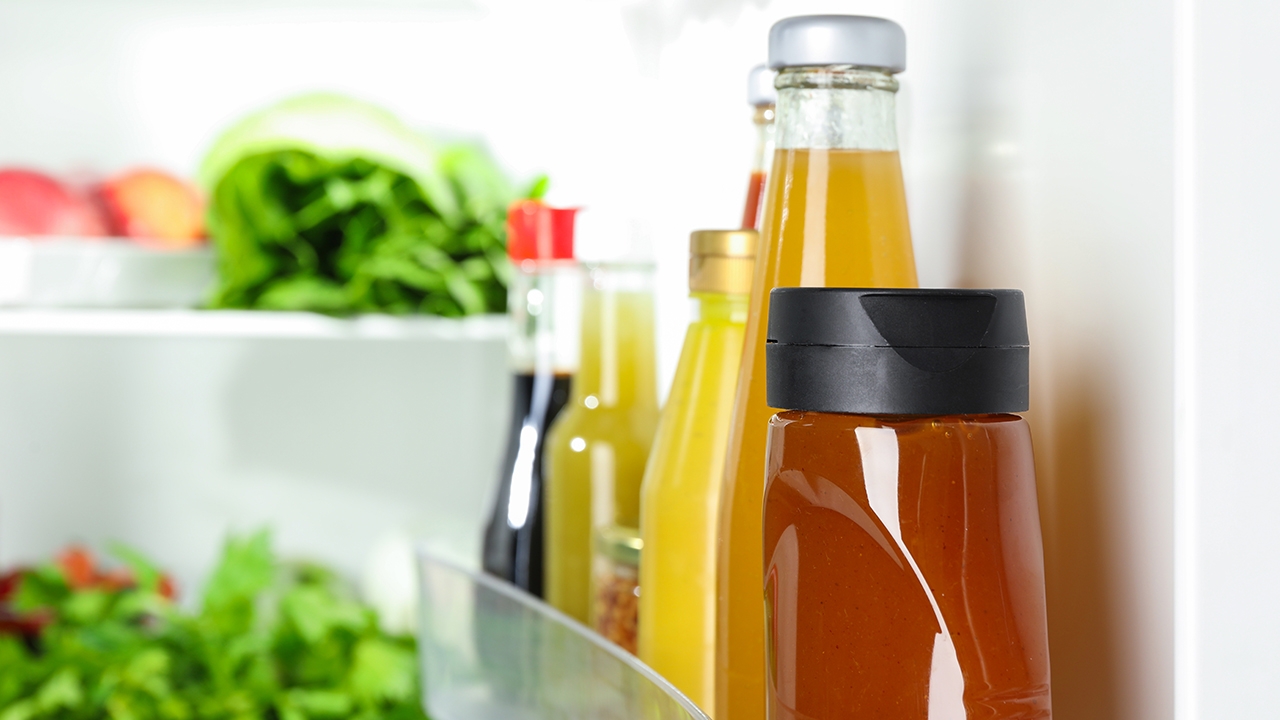
Many kitchens are familiar with placing bottles of seasoning sauces, fish sauce, or soy sauce at room temperature next to the stove after use, based on the belief that their high sodium or salt content prevents spoilage. However, food science shows that refrigerating some seasonings after opening is essential.

Solving the mystery: Why do seasoning sauces need refrigeration?

Key reasons why modern seasoning sauces require refrigeration include:

  • Reduced sodium and preservatives With the rising health trend, manufacturers have lowered sodium levels and reduced preservatives in sauces, which decreases their natural ability to inhibit microorganisms.
  • The effects of moisture and air exposure Once a sauce bottle is opened, air and moisture enter the container. Leaving it in a hot, humid place like near the stove creates conditions favorable for mold and bacteria growth.
  • Preserving taste and color Cold temperatures slow oxidation, preventing sauces from darkening and helping maintain their aroma and flavor longer.

Quick check! Which condiments require refrigeration or can stay outside?

Food science institutes and most product labels advise "Refrigerate after opening." We can categorize condiments based on their refrigeration needs as follows:

Group that "must be refrigerated" after opening

  • Ketchup and chili sauce Although high in acid and sugar, once opened, these sauces react with air, making them prone to black mold on the cap and darkening if not refrigerated.
  • Oyster sauce and black pepper sauce These thick sauces contain high amounts of starch and sugar, providing a rich food source for microbes; if kept in a warm place, they spoil and separate quickly.
  • Various dipping sauces (suki sauce, chicken sauce, seafood sauce) These contain fresh chili and garlic, making them very perishable and requiring consistent low-temperature storage.
  • Salad dressings and mayonnaise Containing egg and milk, these are highly sensitive to room temperature.

Group that "can be kept outside" (though refrigeration is better)

  • Fish sauce and traditional light soy sauce With very high salt content, these inhibit microbial growth. However, storing outside may cause salt crystals to form at the bottom and darken the soy sauce due to heat.
  • Vinegar Naturally highly acidic and stable, vinegar does not require refrigeration.

How to store condiments safely to extend their shelf life

For good hygiene and to prevent contamination, consumers should follow these guidelines:

  • Read the label before use Always check storage instructions on the label, as different brands have varying production methods and preservative levels.
  • Clean the bottle neck After pouring sauce, wipe the bottle rim with a clean tissue to avoid microbial buildup before sealing tightly.
  • Avoid placing near heat sources Do not store condiments on shelves next to the gas stove or in direct sunlight, as heat accelerates spoilage.

Changing habits to organize and properly refrigerate sauces not only extends their lifespan and value but also protects family health from gastrointestinal diseases caused by mold and bacterial contamination.