

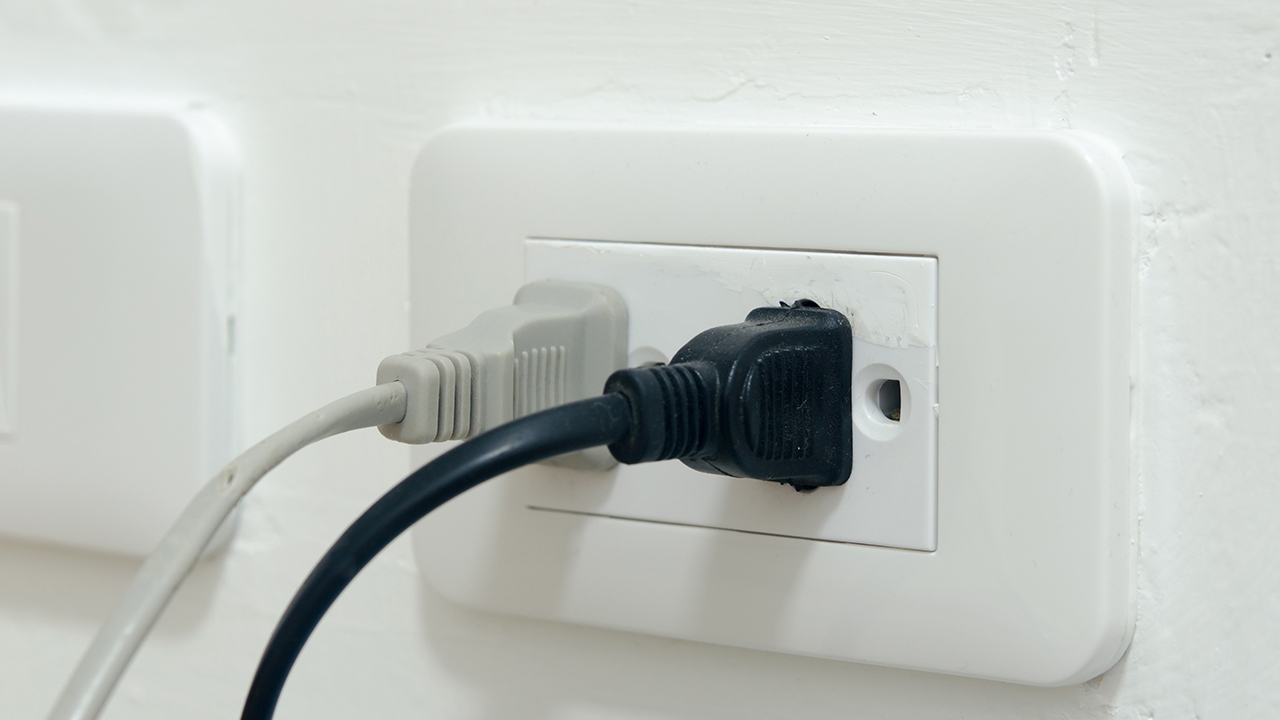
Clearing up doubts for those who often forget. Leaving electrical appliances plugged in. Is it dangerous to leave them plugged in all the time? Does it really waste electricity? Here are ways to check and prevent risks for everyone’s safety at home.
The question is, "Is it dangerous to leave plugs connected all the time?" It depends on the condition of the electrical device and the home's wiring system. Generally, if the device and electrical system meet standards (such as having the TIS certification mark), leaving plugs connected may not pose immediate danger. However, the risk increases significantly if any of the following factors occur.
Another common question is, "Does leaving plugs connected all the time waste electricity?" The answer is, "It definitely wastes electricity." Many modern appliances have remote controls, electronic circuit boards, or indicator lights (such as TVs, microwaves, air conditioners, and sound systems).
Even if we turn off the device or use a remote, as long as the plug remains connected, the device continues to draw electricity to power its system, known as "standby power." Although it consumes only a small amount per hour, when combined across many devices left plugged in all year, it can unnecessarily raise electricity bills.
For safety and effective electricity saving, appliances can be categorized as follows.
1. Appliances to "always unplug" after use.
2. Appliances that can be "left plugged in" (but require regular inspection).
The best solution for those who find unplugging each device inconvenient is to use a power strip with individual on/off switches and TIS certification. After use, simply switch off the power strip to cut electricity to all connected devices, ensuring safety from short circuits and noticeable savings on electricity bills.