

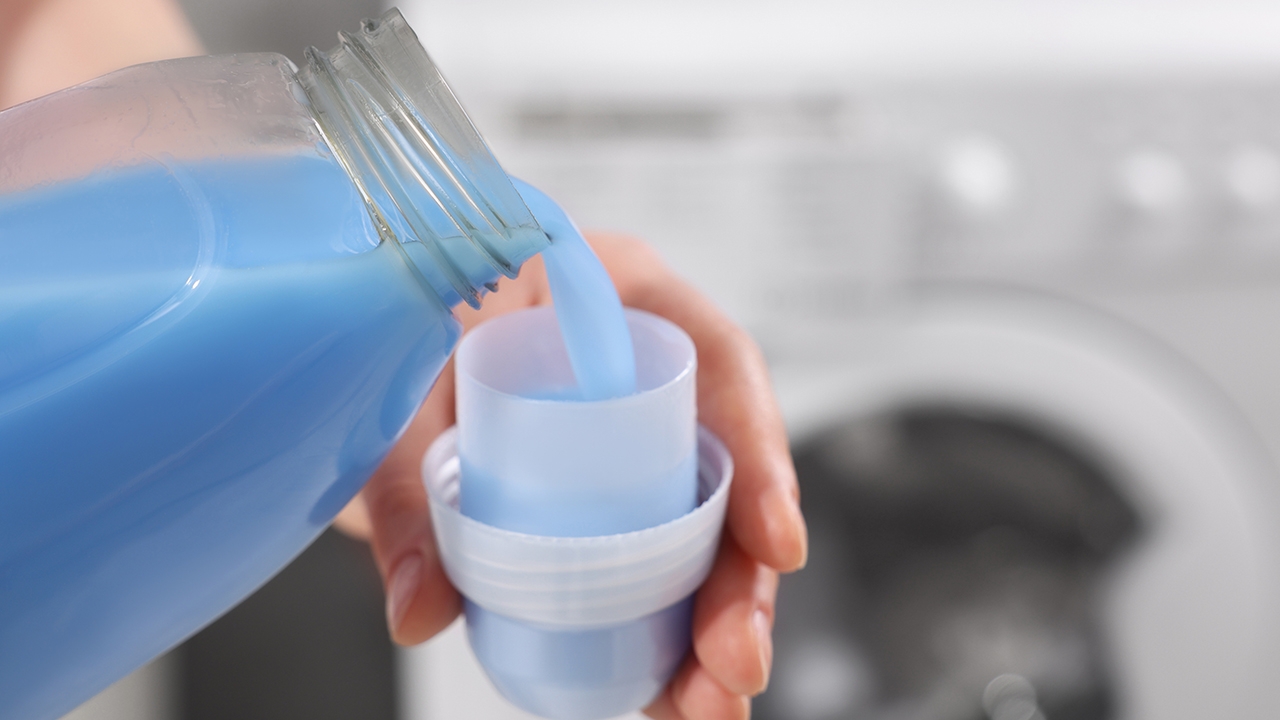
Uncovering the cause Drying clothes indoors Often results in a musty smell. A common misconception is that using more fabric softener makes clothes smell better. In reality, it traps moisture and bacteria. Experts also suggest ways to wash clothes during the rainy season so they smell fresh and clean without relying on sunlight.
During the rainy season or when limited to drying clothes in a condominium with restricted space, many people try to solve the problem of unpleasant odors by "pouring a large amount of fabric softener into the wash." They hope to mask the musty smell, but scientific data from experts in chemicals and hygiene shows that this behavior is the main reason clothes develop even stronger musty odors.
Most fabric softeners contain fiber-coating ingredients like waxes or silicones. When overused, these substances clog and coat the fabric, reducing its ability to breathe and release moisture. When clothes are dried indoors without sunlight, moisture evaporates very slowly. This damp environment with residual oils becomes an ideal breeding ground for Moraxella osloensis bacteria, which emit gases that create a deeply embedded musty smell.

Besides fabric softener buildup, other environmental factors accelerate bacterial growth, including:
1. Residual buildup inside the washing machine drum
Undissolved fabric softener residues cling to crevices in the washing drum. Combined with sweat and dirt from clothes, this forms a dirty biofilm layer. This contamination causes mold and bacteria to transfer back onto clothes with each wash cycle.
2. Lack of UV rays from sunlight
Drying clothes indoors prevents exposure to UV rays from the sun, a natural and highly effective mechanism for inhibiting and killing bacteria on fabric.
3. Insufficient ventilation
Hanging clothes too close together in a closed room causes moisture to circulate in the air, slowing drying time and prolonging dampness.
To fix musty odors, address the root causes of bacterial growth and moisture as follows:
The issue of drying clothes indoors and getting musty smells that cannot be fixed by adding more fabric softener, because that only adds more coating agents that trap moisture and feed bacteria. Changing habits to use appropriate detergent amounts, ensuring good ventilation in drying areas, and maintaining washing machine cleanliness regularly are the most effective and targeted solutions to eliminate musty odors.