

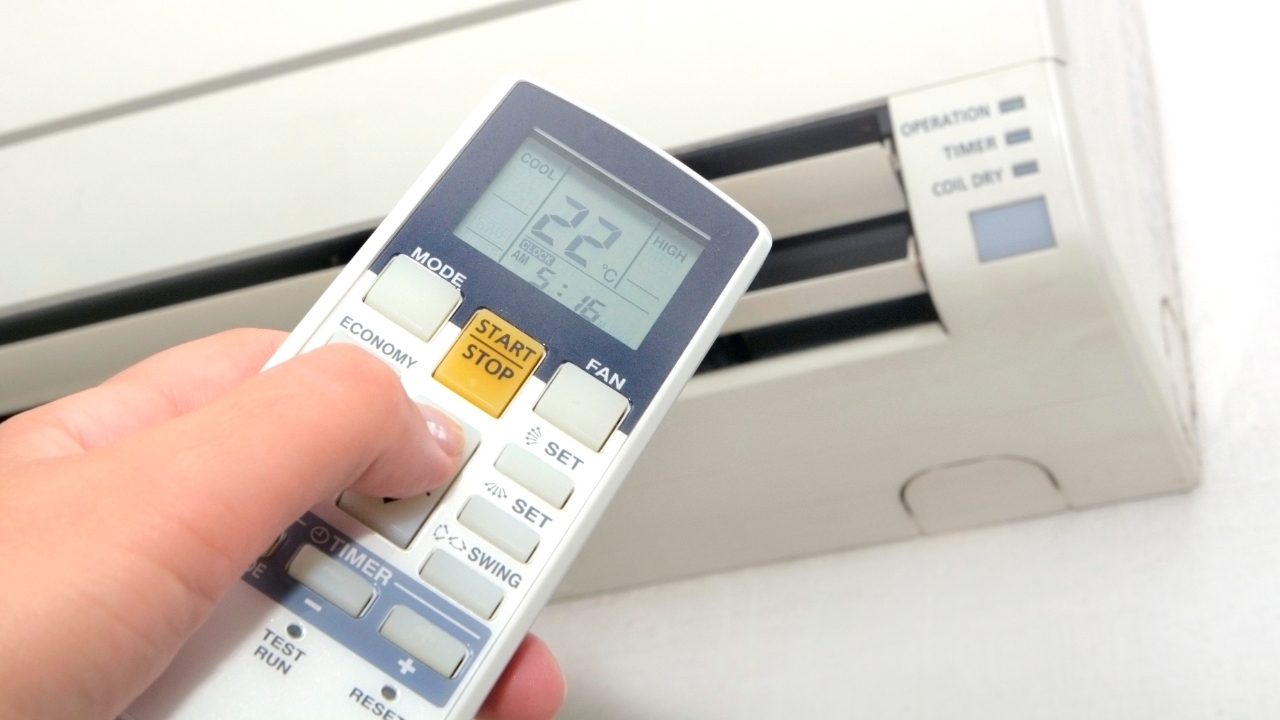
As the rainy season begins, in 2026, many people face issues with damp rooms, musty smells, slow-drying clothes, or feeling sticky even when the air conditioner is running constantly. One reason might be choosing the wrong AC mode for rainy weather.
During rainy days, humidity in the air rises above normal, causing moisture to accumulate inside the house. Without proper humidity control, rooms feel uncomfortable, less cool, and may develop musty odors and long-term mold growth.
It is recommended to use the "},{ Dry Mode" (Dry Mode), often shown with a water droplet symbol, because this mode is specifically designed to reduce moisture in the air.The air conditionerruns more gently than in regular Cool mode but effectively extracts moisture from the room, making the atmosphere drier, more comfortable, less sticky, and reducing musty odors.

While Cool mode can lower temperature and reduce some moisture, on days that are not very hot but humid, the unit may shut off too soon, limiting moisture removal. Thus, the room can still feel damp or musty. Dry mode focuses more on controlling humidity than lowering temperature, making it suitable for rainy or especially humid days.
Dry mode typically consumes less energy than Cool mode when it’s not very hot, as the compressor cycles on and off to manage humidity instead of running continuously to cool. However, actual energy savings depend on the AC model and weather conditions each day.

If it rains and your room feels damp despite the AC running, try switching to Dry mode, which is designed to reduce humidity. This will make your room feel drier, fresher, and more comfortably cool than just using Cool mode in many situations—an easy tip many overlook during the rainy season.