

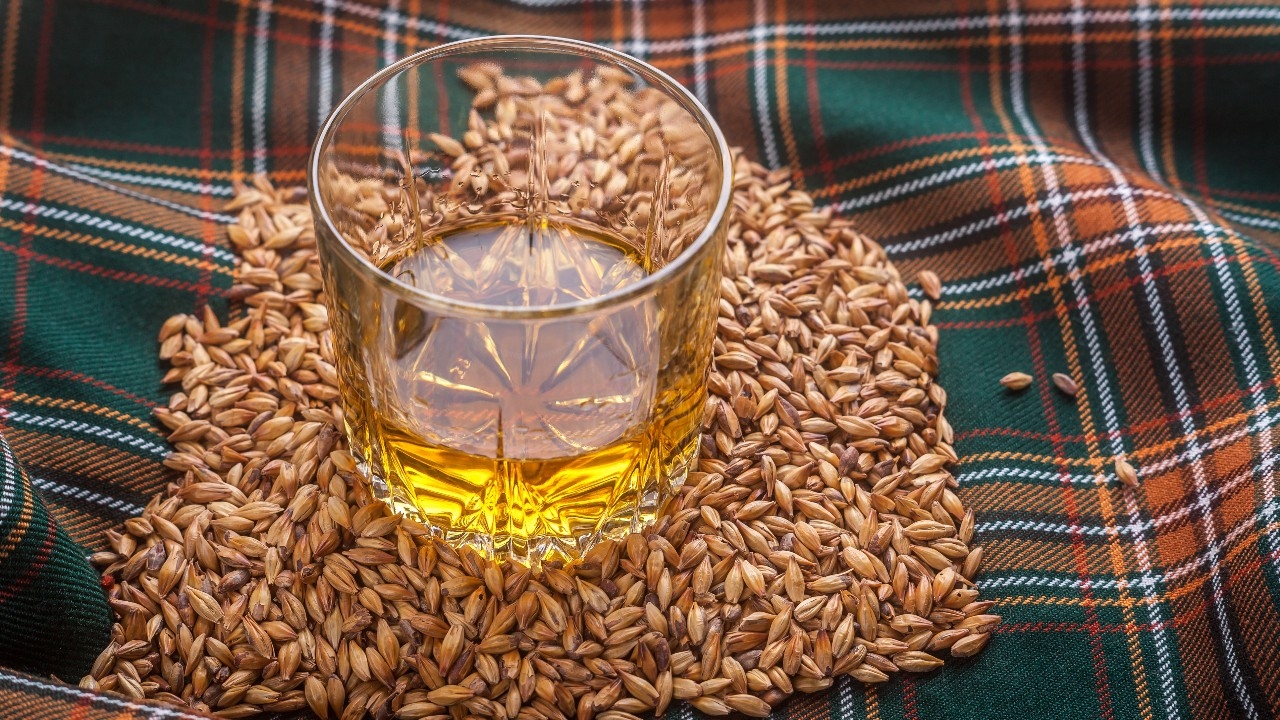
Local alcoholic beverages are more than just entertainment; they are becoming key tools to drive the economy, culture, and elevate the value of Thai agricultural products to international levels—much like Japan has sake, Korea has soju, and the United States has bourbon.
Thailand, known as the 'rice bowl' with rich biodiversity, has abundant agricultural raw materials ready to be transformed into "Liquid Gold" through the art of distillation and fermentation by a new generation of craft spirit makers determined to rewrite the history of Thai agriculture.
The appeal of Thai community spirits today lies in capturing the unique characteristics of the soil, water, and climate of each area, reflected in the beverages. The key raw materials that create distinctiveness include the following.
Rice is not only a staple food but also a premium base ingredient for distilled and fermented spirits. The advantage of Thai rice varieties is their diversity and distinctive aromas and flavors unique to each region. When local rice varieties undergo proper fermentation and aging by experts, they develop complex flavor dimensions that highlight the province’s identity and have strong potential to become signature provincial drinks that can compete nationally and internationally.
Corn, a crop that grows well across all regions of Thailand, is another traditional raw material favored by distillers. Its value lies not only in providing high sugar content for alcohol conversion but also in its excellent ability to cultivate natural yeast. Spirits distilled from corn offer a fragrant, sweet, smooth, and mellow taste, serving as a flavor base that creators can creatively blend with other ingredients for enjoyable experimentation.
Sugarcane is a primary raw material for producing quality white spirits and rum. Thailand’s geographical advantages allow for large quantities of high-quality sugarcane cultivation. A highlight of using sugarcane in craft spirits is sustainability, as every byproduct from sugarcane processing can be utilized without waste harming the ecosystem. Using sugarcane for local spirits thus addresses both economic value addition and environmental preservation simultaneously.
Thailand is famed as the capital of tropical fruits, including oranges, pomelos, lychees, coconuts, bananas, and strawberries. These fruits are treasures for creating unique aromas and flavors. New-generation distillers can use them in diverse ways—from extracting essential oils from fruit peels to add aroma during distillation, fermenting the fruit pulp directly, or pickling them to create new tastes. This not only helps solve seasonal fruit surpluses but also concretely elevates agricultural products into high-value goods.
The success of Thai flavors in the global market today clearly proves that Thai agricultural raw materials have potential equal to any nation worldwide. This is reflected in the growth of many Thai community spirit brands that have achieved export success and won international awards, such as Onson, Sud Siam, Adsong, Thepnorm, Janpeng, Kosapan, and Khao Hom. These brands serve as cultural ambassadors, telling community stories through flavor.
Changing perceptions of local spirits from mere "booze" to "valuable craft products" is the key to sustainably increasing Thai farmers' incomes. It also opens a wide door for Thailand’s processed agricultural industry to grow without limits on the global stage.