

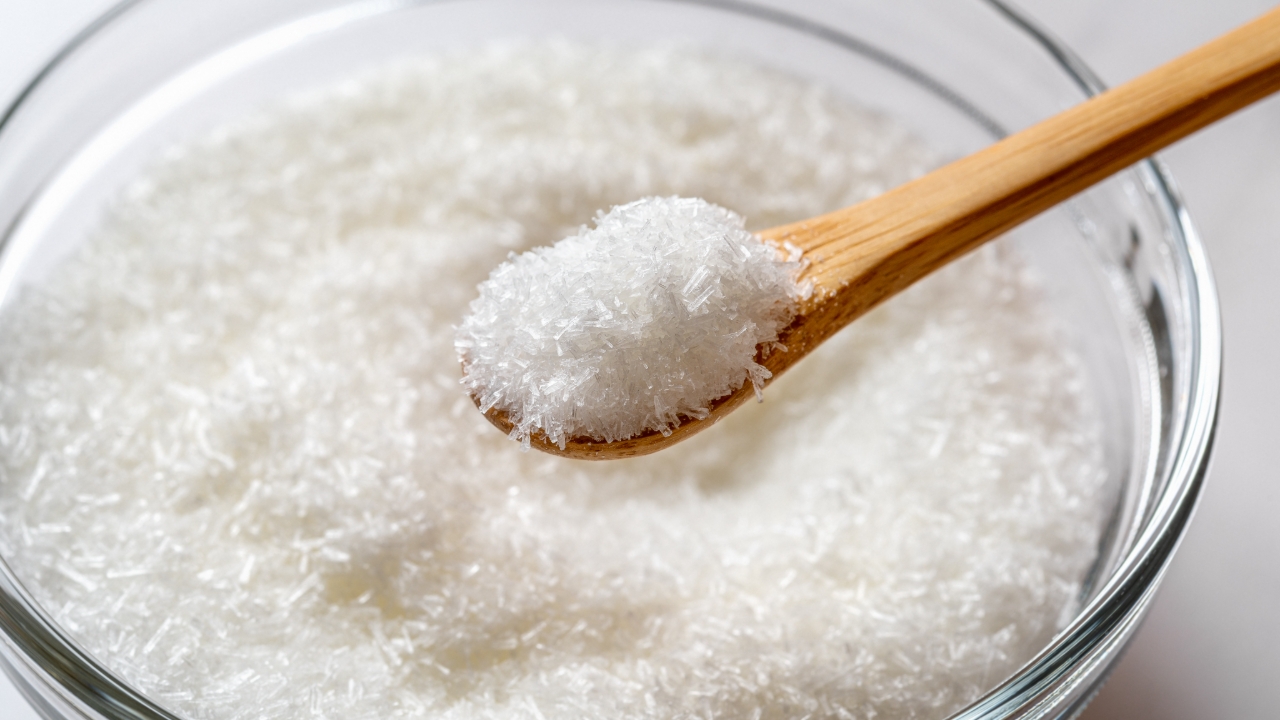
Many people are familiar with " MSG ", a seasoning that enhances the flavor of food, making it more savory. However, some still believe that frequent consumption of MSG causes hair loss. Thairath Online will reveal all the answers and share interesting facts that food lovers may not yet know.
MSG (Monosodium Glutamate) is made from natural raw materials, not synthetic chemicals as many fear. The main ingredients commonly used (especially in Thailand and Asia) include

The production process of MSG relies on "fermentation," similar to how beer, wine, yogurt, or vinegar is made.
Agricultural products (such as cassava or sugarcane) are processed to extract glucose sugar.
Microorganisms are added to ferment the sugar into "glutamic acid," a naturally occurring amino acid.
The glutamic acid is then reacted with sodium (to crystallize and dissolve easily) to form the clear white crystals known as " monosodium glutamate ".

There is no evidence confirming that eating MSG causes hair loss. Most hair loss is related to genetics, stress, hormones, insufficient rest, nutritional deficiencies, or certain diseases rather than MSG consumption.
However, regularly consuming large amounts of processed or strongly flavored foods may affect overall health. If concerned about hair loss, focus on nutrition, sleep, and stress management rather than blaming MSG alone.
The fifth taste known as "umami".
MSG does not taste salty, sweet, sour, or bitter but provides the umami flavor, a rich, savory taste that enhances the flavors of other ingredients.
We consume natural sources of MSG daily.
Glutamic acid (the key component of MSG) naturally occurs in many foods such as ripe tomatoes, shiitake mushrooms, cheese, kombu seaweed, and soy sauce. This explains why adding tomatoes or bone broth improves the taste of dishes.
Is MSG allergy real?
Currently, food and drug authorities in Thailand and internationally classify MSG as "safe for consumption." Symptoms like dry throat, numbness, or thirst often result from using MSG together with very salty seasonings, leading to excessive sodium intake, or may occur in individuals sensitive to MSG.
In summary, " MSG " is a product derived from fermenting agricultural crops into amino acids that enhance flavor. Consuming it in appropriate amounts for seasoning is safe and not as harmful as believed. Moreover, it is not a primary cause of hair loss as many mistakenly think.