

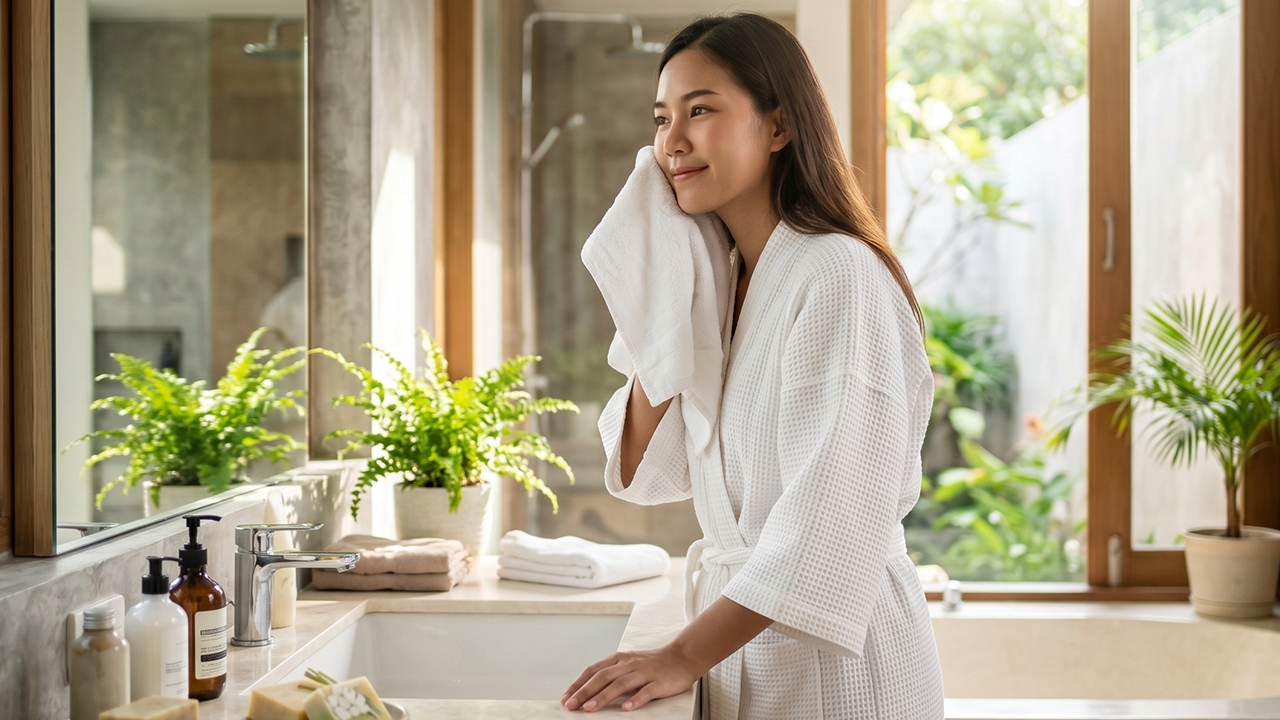
Taking a shower helps refresh the body, but did you know there are certain times when you should definitely avoid showering? For example, right after a full meal or after drinking alcohol, as these can harm your health and increase the risk of dizziness and digestive issues.
Thailand's hot and humid climate causes many people to shower frequently to cool down. However, medically, showering at certain times can affect bodily functions, including digestion and blood circulation. Let's check when you should avoid showering. This is to prevent unexpected negative health effects.
Many people habitually shower right after eating. Medical information states that after meals, the body needs increased blood flow to the stomach to aid digestion. Showering (especially with warm water) causes blood vessels in the skin to dilate, drawing blood to the skin instead. This reduces blood flow to the stomach, potentially causing indigestion, stomach pain, or discomfort.
Advice:Wait at least 1-2 hours after eating before taking a shower.
After sweating heavily, body temperature rises and pores are wide open. Showering immediately—whether with cold water that causes rapid blood vessel constriction, or warm water that raises body heat—can overwork the body's temperature regulation system, increasing risks of dizziness or catching a cold.
Advice:Rest until sweat dries and body temperature returns to normal, about 20-30 minutes, before showering.

Alcohol causes blood vessels to dilate and lowers blood sugar. Showering with warm water at this time further dilates vessels, causing blood pressure to drop rapidly. This increases the risk of dizziness, fainting, or even losing consciousness in the bathroom.
Advice:If intoxicated, wipe your body with a damp cloth instead of showering, or wait until sober.
Taking a cold shower late at night when the body needs rest stimulates the nervous system to be alert, making you feel overly refreshed and potentially causing difficulty falling asleep or insomnia.
Advice:If you must shower late at night, choose room temperature or warm water to help relax muscles instead.
Keeping the body clean is good, but knowing when not to shower helps reduce unexpected health risks. Simply adjusting habits by avoiding showers immediately after meals, after intense exercise, after drinking alcohol, and avoiding very cold water late at night will help you maintain better and safer health.