

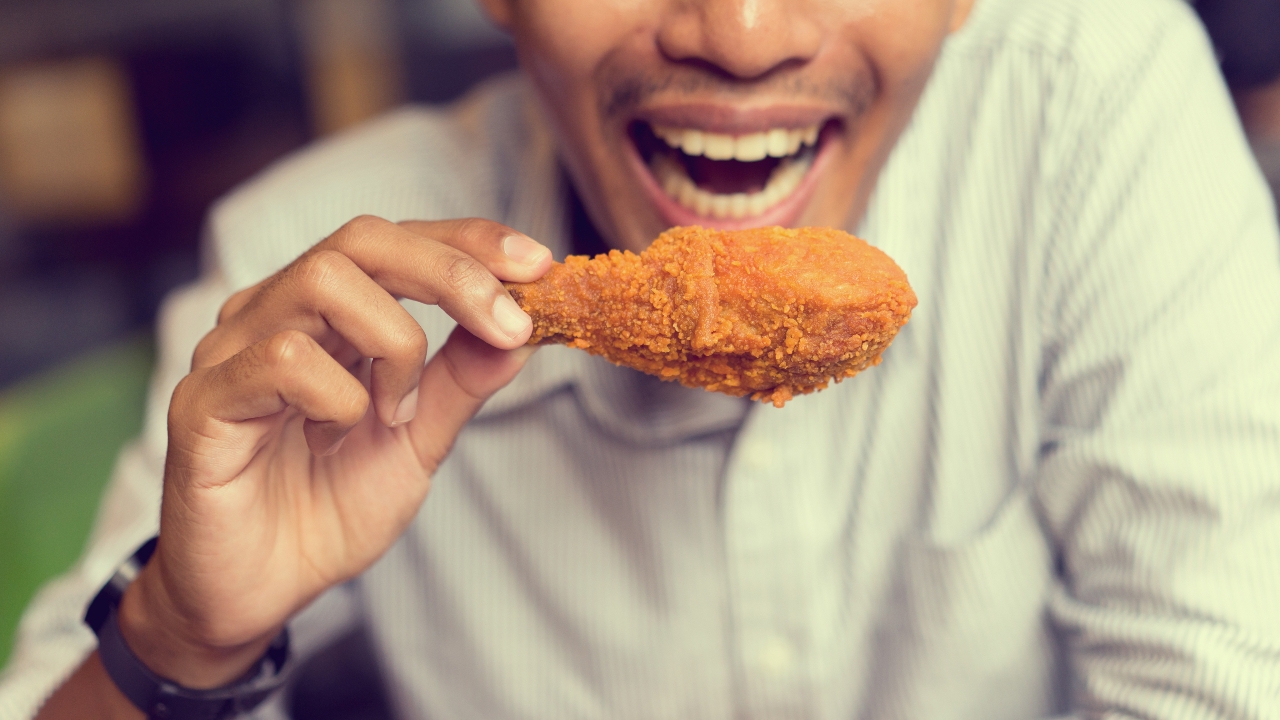
Have you ever noticed that on days when your heart is broken, your boss scolds you, or you're extremely frustrated, your body never craves a salad or boiled chicken breast, but instead longs for crispy fried chicken, hot French fries, or a large piece of crispy pork?
This reaction is not about gluttony or lack of discipline. From a scientific and psychological perspective, there is a mechanism that explains why "fried foods" become comfort food that best soothes emotional wounds and helps extinguish anger.
When we face sadness or anger, the body releases large amounts of the stress hormone cortisol. This hormone signals the brain that we are in danger and losing energy rapidly. The brain then directs us to seek foods that provide high and fast-absorbing energy, which inevitably includes carbohydrate- and fat-rich foods like "fried foods." Eating these fried foods acts like emergency fuel, helping the body feel safe and energized to keep fighting.fried foodsthus serve as emergency fuel that makes the body feel safe and ready to cope.
The appeal of fried foods lies not only in their crispiness but also in their intense seasoning—salty, rich, and aromatic flavors that stimulate appetite. When fried foods reach the stomach and enter the bloodstream, the brain releases neurotransmitters called "dopamine," the pleasure hormone, and "serotonin," which helps regulate mood and calm emotions. These chemicals temporarily suppress feelings of sadness or emotional pain, making us feel delighted and instantly uplifted after the first bite of fried chicken.
Another key reason fried foods help manage anger is the physical sensation. When people are very angry or stressed, the jaw muscles involuntarily tense up. Chewing crunchy, hard, or requiring effort foods like fried items helps release tension in the facial and jaw muscles. The crunching sound of biting into crispy fried food gives a sensation of crushing or destroying something, providing a safe and socially acceptable outlet for releasing hidden aggression and anger.
Although relying on fried foods to heal emotional wounds and vent anger has a scientific basis and can help soothe feelings on tough days, care should be taken to avoid developing a long-term dependence on food to manage emotions.
Rewarding yourself with your favorite fried dish on a tiring day is a simple and effective way to comfort yourself. However, once your mood stabilizes, remember to care for your physical health by eating nutritious foods and finding other ways to manage stress, so that both your body and mind stay strong together.