

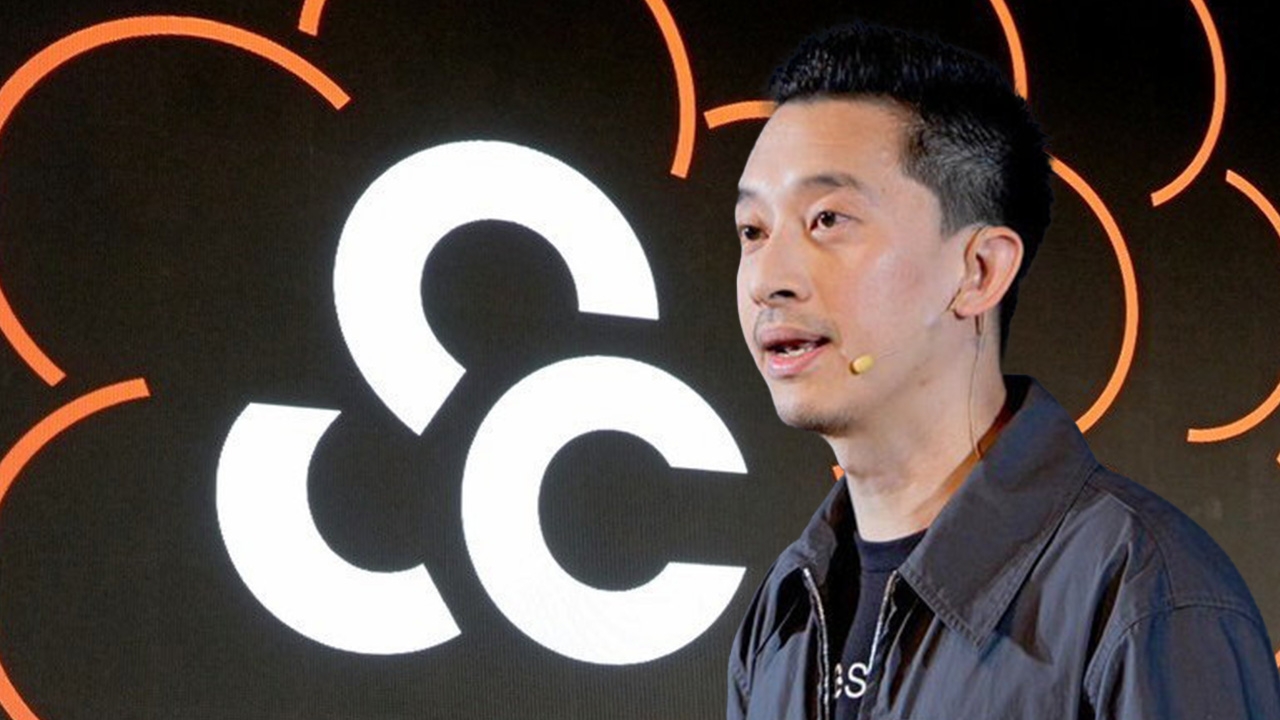
In a fast-spinning world, those who fail to adapt may be left behind. Amid uncertainties including an economic slowdown, technological disruption, shifting consumer behavior, and demographic changes, SC, led by the energetic young CEO Natthapong Kunakornwong, has boldly undertaken its biggest corporate rebranding in 20 years. The company is accelerating its transformation to cope with global volatility, evolving from a leading real estate developer into a more diversified business group, yet retaining its original core: creating sustainable value for people and the planet.
“After COVID-19, real estate boomed because people’s lives changed—homes were in high demand for 2 to 3 years. But then geopolitical conflicts arose, marking the first time Thai real estate faced three major challenges simultaneously. The first was the economic slowdown—conflict and uncertainty made people hesitant to spend. The second was high household debt—buyers need loans, but many can’t qualify, limiting market growth and posing obstacles to real estate business. The third was market oversupply—post-COVID, many sold homes successfully, increasing listings and competition. This year, a fourth challenge emerged: rising costs due to war-related events. Whether the conflict ends soon or late, costs have already risen, with some categories up 3–5% and others 10–20%. Facing four such major challenges at once is extremely tough,” Natthapong explained about the current business situation.

At a time when the Thai real estate market faces multiple challenges—rapid global changes, economic pressures, purchasing power shifts, and evolving consumer behavior—SC must quickly adapt by expanding beyond residential property into a more diverse business portfolio. Building on the strength of its housing business, SC aims for a sustainable, balanced structure ready for long-term global changes. But adapting well requires first accepting the current reality. I borrow Charles Darwin’s idea: in business, stagnation equals regression. Brands are like living things; survival depends not on size or strength but on adaptability to changing contexts. For SC, rebranding is not a restart but an update. We are adjusting our business portfolio to be more flexible and diverse to handle industry volatility, spread risk, and foster growth untied to any single segment. Our goal is not just survival but sustainable growth that creates long-term value for people. Rebranding is not merely changing our image but renewing our organizational mindset so our business grows alongside people, society, and the planet.

This is not just a logo or image change; it’s a clear declaration that SC is transforming from a property developer into a diversified business organization. Yet SC’s spirit remains unchanged: we continue to focus on creating sustainable value for people and the planet. I believe anything that endures must benefit someone. Thus, a diversified business that copes with volatility must offer value and create value for customers and communities to grow long-term. The rebranding and logo change loudly proclaim that we have changed! We are doing more diverse, bigger businesses, each with value for people and the world.

The new logo, developed by British design firm Pentagram, is inspired by the sunflower. Its design interprets the sunflower’s seed arrangement to symbolize limitless possibilities, continuous, systematic, and balanced growth that spreads value to people and the planet. The sunflower also represents SC’s constant orientation toward homeowners and customers, embodying the “Sunflower Mindset” — a fresh start and the energy of a new day to create a better morning every day, underscoring that SC is more than just housing.

The new business portfolio consists of three engines working together: Engine 1 remains the residential business as the brand’s profit foundation; Engine 2 focuses on Recurring Income, increasing profit from regular revenue streams to reduce reliance on one-time sales, expanding into hotels, logistics warehouses, office buildings, and rental businesses; Engine 3 aims at Future Living and Wellness & Technology services, exploring future opportunities by leveraging customer insights and lifestyle trends connected to services, health, technology, and life ecosystems. Engine 2 is already generating profit, while Engine 3 is investing and gaining clear direction. The target is to increase profits from Engines 2 and 3 to 30% of total profits within five years. I believe SC will achieve new profit highs within five years.


A key mindset for leaders of all eras is constant learning—a mindset of always being thirsty for knowledge. We must continuously pour out old ideas and be ready to embrace new ones because sometimes we don’t realize what we don’t know or where we are blind. Constant learning is crucial, especially in an era of rapid technological change and multiple generations coexisting. A CEO who keeps learning and adapts well in every situation can lead the organization through any period.

I have a twice-weekly morning activity called “Mind Dump,” where I write down my thoughts and feelings from the past week to increase awareness and self-reflection, then tear it up. It’s a way to release and lighten the mind. Another practice is reading, which also prompts reflection. Recently, I read the Japanese book “You Might Die Tomorrow,” which discusses life philosophy, living meaningfully, and accepting death as normal. It taught me that death is normal but life is special. Usually, we think the opposite. Viewing death as normal makes every day special, broadens the heart, lightens the spirit, and increases compassion. At 45, I want to build a strong organizational culture grounded in care and courage as core values—an organization that can continue benefiting people and the world.
The Shinawatra family is very united and caring. We have shared every hardship and joy together, which has deepened our love and unity. I am very fortunate to have met Thaksin and Khunying Potjaman, who have shown me great kindness, and my wife Aim, who loves and cares for me deeply. Coming home to a warm family that supports me gives me strength to focus on important work.
Beyond vision, I have learned the “Resilience Mindset” from him—the flexibility to adapt to change to survive in any situation. Great and successful people share traits of kindness, compassion, broad-mindedness, and visionary perspective.

Aim is a wife who respects her husband and those around her, always attentive. Our relationship is based on mutual respect, care, trust, and open communication. We are like thoughtful partners who look out for each other.
Aim spends more time with the children and can be stricter. I am a father who wants my kids to grow knowing themselves—not focusing on academic excellence but on self-awareness and understanding their desires. They should have strong hearts built on parental love. When they have something to share, I listen and support them without judgment, making them comfortable and encouraging open growth. I accompany them everywhere, observing their experiences. I find joy in their discoveries, whether disappointment or happiness. For example, my youngest son wanted to attend a tennis camp but didn’t want to compete. I don’t push competition but discuss his feelings and gently encourage him to try, helping him overcome fear and enjoy the experience. Each child is different—my twins have different dance preferences, and the youngest is exploring sports. This approach helps them mature naturally.

I enjoy working on big projects that benefit many people and create broad impact. I believe my skills are better suited to the private sector than politics. But the future is uncertain. Right now, I feel I am in a position where I can do good and find happiness. Over the past decade, I have been close to the frontline, witnessing things arise, exist, and fade. Sometimes I’m unexpectedly on stage or caught in the fray, revealing life’s impermanence. I used to feel uneasy about this, but now I accept whatever happens.
The COVID-19 crisis forced me to change how I work, resulting in better outcomes. Another difficult period was when my father passed away, my first close loss, teaching me about life’s impermanence. Also, the events involving Thaksin last year made me more mindful of the present and clearer about life’s uncertainties.
Whatever you do, always ask yourself: what is your life’s purpose? Without knowing your purpose, obstacles can lead you astray. But with a clear purpose, no matter how lost you feel, you will find a way out. The shortcut to success is having the right mentor. With the right mentor and clear purpose, you have a compass and a fast track to success.
Thairath Newspaper News Team
Read " Thairath Newspaper Column " all here