

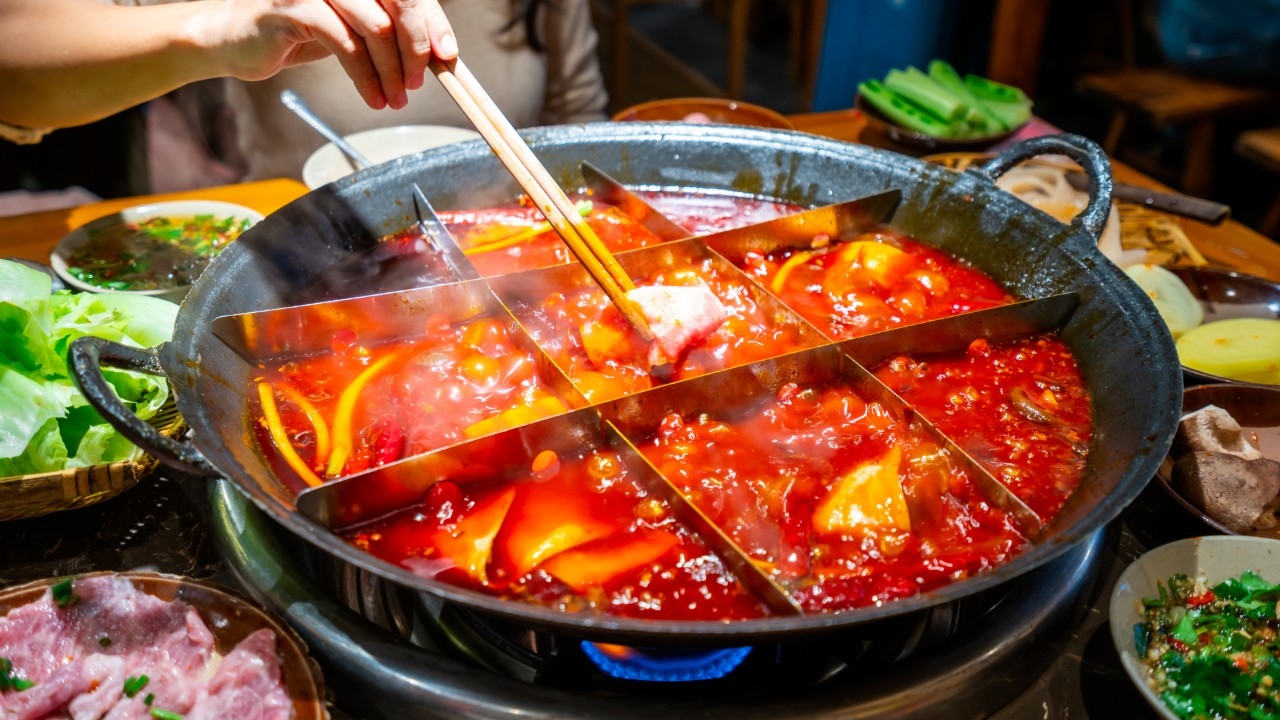
Many people regard “ mala ” as a favorite dish they can eat almost every day, drawn by its spicy, tongue-numbing flavor and aromatic spices that keep you coming back. But have you ever wondered what effects eating mala frequently or in large amounts has on the body?
Although mala is a uniquely appealing food, eating it too often can affect health in various ways, especially the digestive system, daily sodium intake, and fat consumption.
The spiciness from chili and the numbing sensation from Sichuan peppercorns are characteristic of mala. However, eating it daily may overstimulate the stomach and intestinal linings, causing heartburn, acid reflux, or increased stomach irritation. The spiciness also speeds up intestinal contractions, which can lead some people to experience stomach pain or diarrhea after eating mala.
One often overlooked factor is that mala soup, sauces, and dipping condiments typically contain high sodium levels. Regularly consuming more sodium than the body needs can cause water retention, facial puffiness, or a swollen feeling in the morning. Over time, this increases the risk of high blood pressure and forces the kidneys to work harder to eliminate excess sodium.

Many mala soup recipes include a high amount of oil and fat to enhance the aroma of spices. When eaten regularly with fatty meats, processed meatballs, or fried foods, this can cause the body to take in excess saturated fat and energy. This may lead to weight gain, elevated cholesterol levels, and a higher risk of cardiovascular disease in the future.
Many notice that after eating mala continuously for several days, they often develop sore throats, mouth ulcers, or a burning sensation inside the mouth. While not everyone experiences these symptoms, regularly consuming very spicy and heavily seasoned foods may irritate the body and worsen acne inflammation in some cases.

If you are a true mala fan, try adjusting your eating habits as follows:

In summary, “ mala ” can be eaten but should not be consumed every day. It is not harmful if eaten appropriately. Spices like chili and Sichuan peppercorn also help stimulate metabolism and increase appetite. The important thing is to control how often you eat it and choose balanced ingredients so your body does not take in excessive sodium, fat, and calories.