

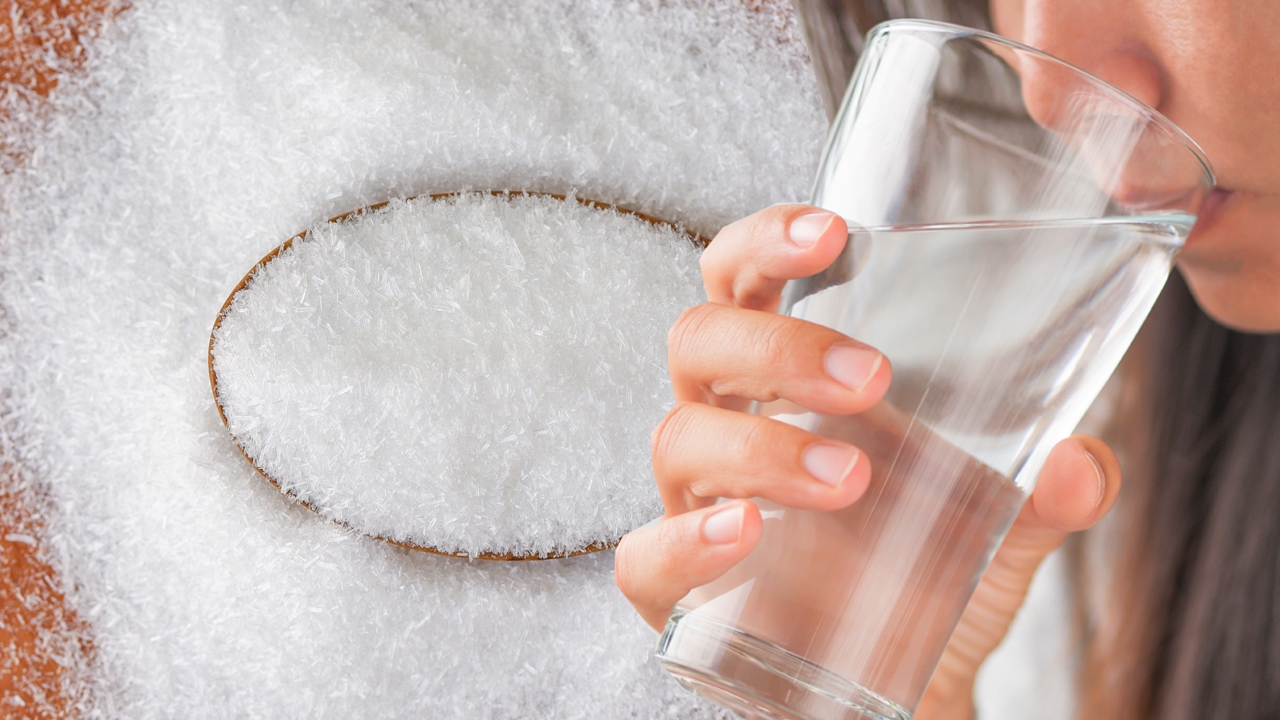
Many people have experienced intense thirst, dry mouth, dry skin, or sometimes tightness around the face and throat after eating out or consuming processed foods. Most often, they immediately blame monosodium glutamate (MSG) and believe they have "an MSG allergy."
In reality, the bodily mechanism causing these symptoms such as dry mouth after MSG consumption can be explained scientifically and by the body's nutrient balance, and is not as alarming as many fear.
The main components of MSG are "glutamic acid" (a type of amino acid) and "sodium," with sodium being the primary cause of dry mouth. The body's mechanism works as follows:
Therefore, dry mouth caused by MSG is a normal bodily response to expel excess sodium through urine, similar to eating salty foods like salt, fish sauce, or soy sauce, and is not an allergic reaction.
Although dry mouth comes from sodium, medically, some individuals are more sensitive to glutamate in MSG, causing a condition called MSG Symptom Complex (formerly known as Chinese Restaurant Syndrome), with symptoms beyond dry mouth such as:
1. A sudden flushing sensation on the face, throat, or chest
2. Numbness or tightness around the face and mouth
3. Headache, dizziness, or nausea
4. Abnormally rapid heartbeat in some cases
These symptoms usually occur temporarily within 20-30 minutes after eating and gradually disappear as the body eliminates the substances. Unless accompanied by breathing difficulty or severe rash, it is not life-threatening.
If you realize you have eaten foods high in sodium or MSG and start experiencing dry mouth, you can relieve and prevent symptoms with simple methods: