

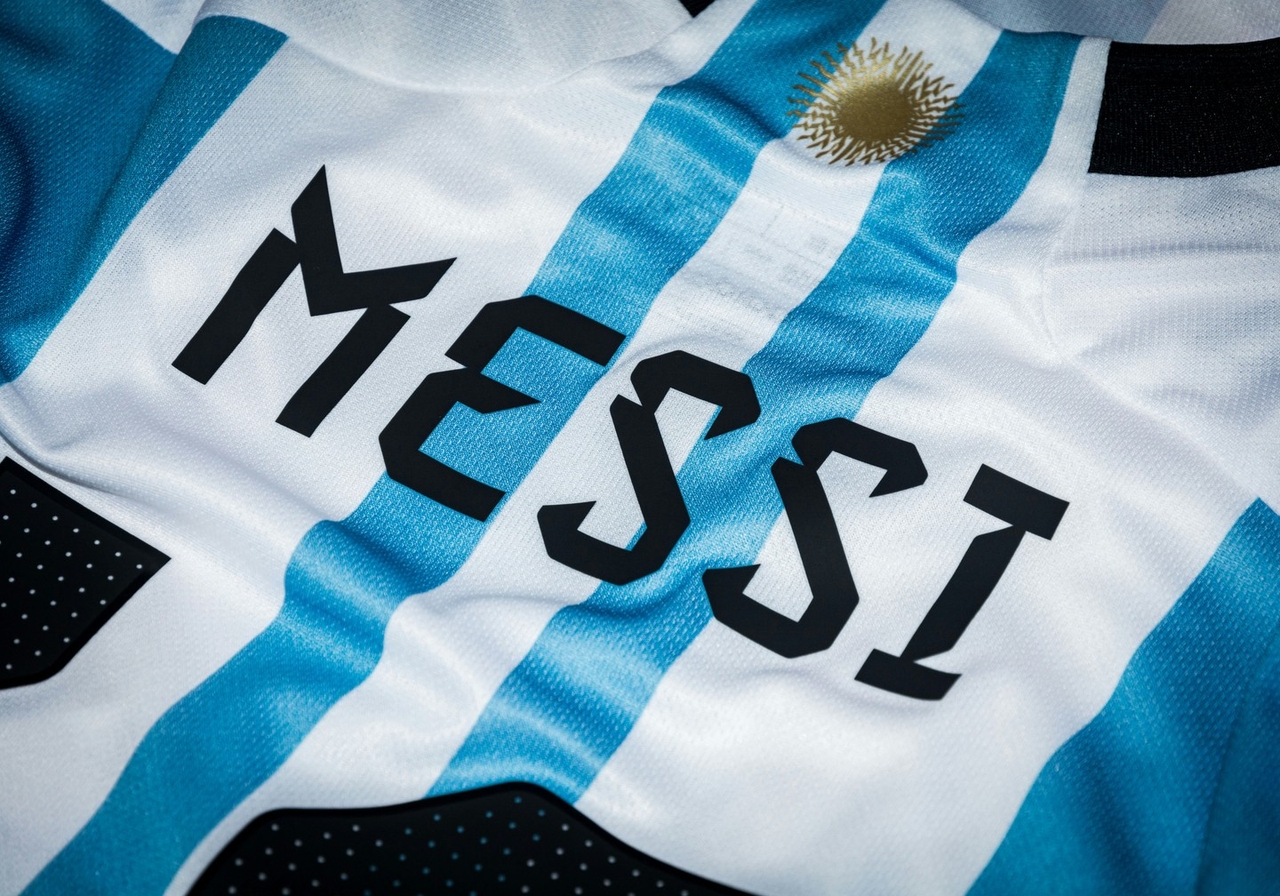
Messi's leadership lesson shows that missing a penalty is not the end but rather the beginning of a reset and overcoming pressure on the field.
The website Inc. published an article titled "How Leo Messi Turned a Miss Into a Master Class in Resetting," discussing how Messi managed his emotions after a mistake on the field and how he recovered from it.
At the 9th minute of the 2026 World Cup Group J second match between Argentina and Austria, Lionel Messi stepped up to take a penalty kick. The entire stadium and the world watched, expecting him to break Miroslav Klose's all-time World Cup scoring record, but Messi missed—so much so that Austria's goalkeeper did not even need to move.
This was Messi's third missed penalty out of seven attempts in World Cup history. Even players widely regarded as the best cannot escape the pressure on the biggest stage.
Twenty-nine minutes later, Messi scored with a left-footed shot into the corner at the 38th minute, his 17th World Cup goal, setting a new individual record. In injury time, he added another goal, sealing the game 2–0 with his 18th World Cup goal.
Missed penalty, reset, record-breaking—all in one game. But the leadership lesson hidden in this match is not about the two goals he scored; it lies in what happened between the 9th and 38th minutes.
Messi did not dwell on "what happened." He simply returned to the game with a mind focused on the present, free from the shadow of the recent moment. Psychologists call this non-attachment—the purest form of not clinging to outcomes: do your best, then let go and move forward.
Notice how Argentina plays as a team with Messi on the field. They don't just play better; they play more freely. True leadership unlocks the best in those around through presence in the moment and shared goals—not by issuing orders.
Think about the last time you stumbled on something important. Did you let it go and move on, or did it linger into the next moment? More importantly, who on your team is watching how you handle mistakes now, and what are they learning?
Behavioral research calls this emotional contagion—the spreading of a leader's mood to the group. A leader’s emotional state after a mistake is one of the most powerful signals they send. If the central figure doesn’t collapse, that calm spreads to others. Messi’s 29 minutes after missing the penalty mattered more than the scoreboard because he refused to let the miss become the "main story" of the game.
Ultimately, while the world may have focused on the moment he missed, his choice to move forward and score two goals is the true answer. Real leadership is measured not by the failure itself but by how quickly one recovers and resets.
Source:Inc.