

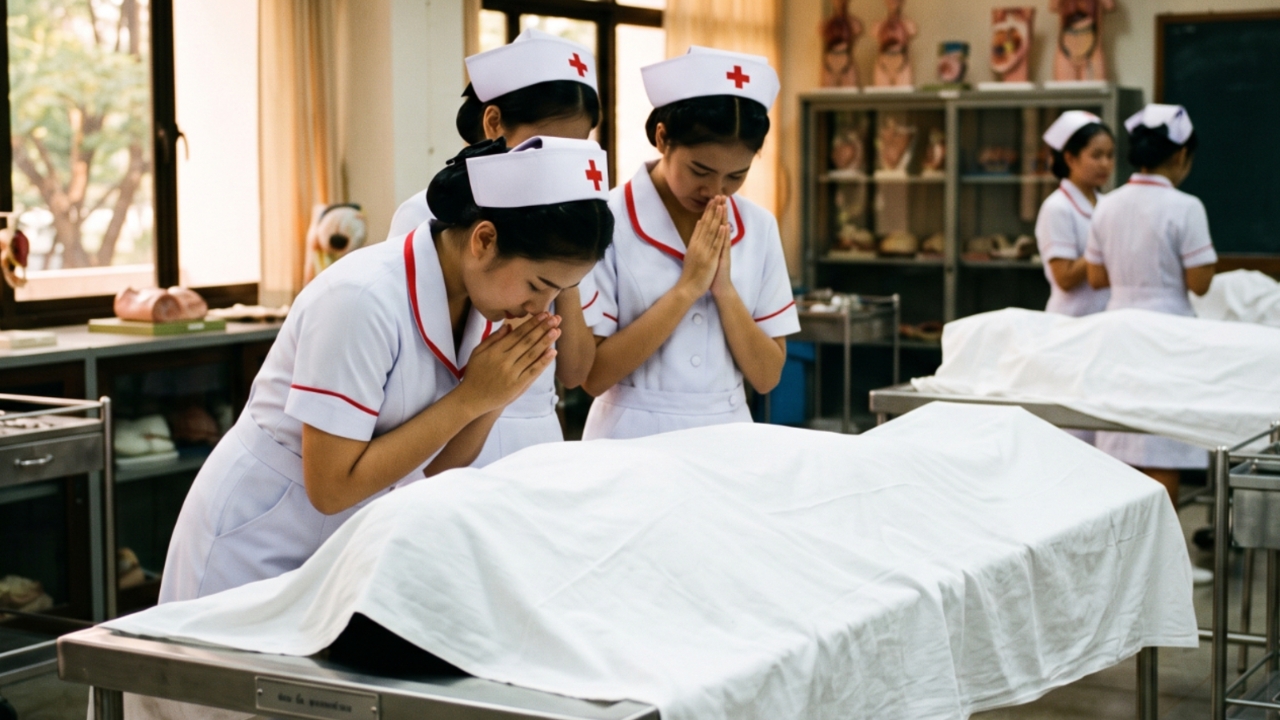
Body Donation is a profoundly valuable act of sacrifice for the medical field because the donor's body is used asa "great teacher"for teaching, research, and training medical personnel. It helps new doctors learn anatomy from real bodies, advancing patient care in the future.
Even if a person has registered to donate their body, it does not guarantee acceptance in all cases, as the condition of the body and medical history are reviewed to ensure safety for study and practice. Check which diseases prohibit body donation, updated for 2026.
include being at least 20 years old and expressing the intention personally. They should also inform their family or relatives in advance because heirs have legal authority over the body after death. Without family consent, donation may not proceed.
Although donors may have expressed their wishes, legally heirs retain the right to manage the body. Therefore, discussing and understanding this with family beforehand is crucial to fulfill the donor's intentions.

According to the Thai Red Cross Society, deceased persons with certain infectious diseases that pose risks to medical staff cannot have their bodies accepted for study. Important diseases include:
Having common chronic diseases like diabetes, hypertension, or heart disease depends on the discretion of the anatomy department at the time, considering the donor's body condition and eligibility.
If the body is not in a suitable condition for study, hospitals may refuse donation, such as:

Not necessarily. Even if registration is complete, body donation is confirmed, the anatomy department re-evaluates the body at death to ensure it meets criteria including condition, cause of death, and certain diseases. If not compliant, the body may be refused.
Body donation is a final gift valuable for education and medicine, but applicants should fully understand all criteria, especially restrictions on infectious diseases and post-mortem condition, which are key factors in acceptance.

Equally important is informing family in advance so that when the time comes, the donor's wishes can be smoothly honored, maximizing the benefit of this ultimate sacrifice for Thai medicine.
For more details, contact the Department of Anatomy, 11th floor, Phetchaburi Medical Building, Chulalongkorn Hospital, phone 02-256-4281 ext. 1405, 02-256-4751
Source of information:Thai Red Cross Society
Related articles