

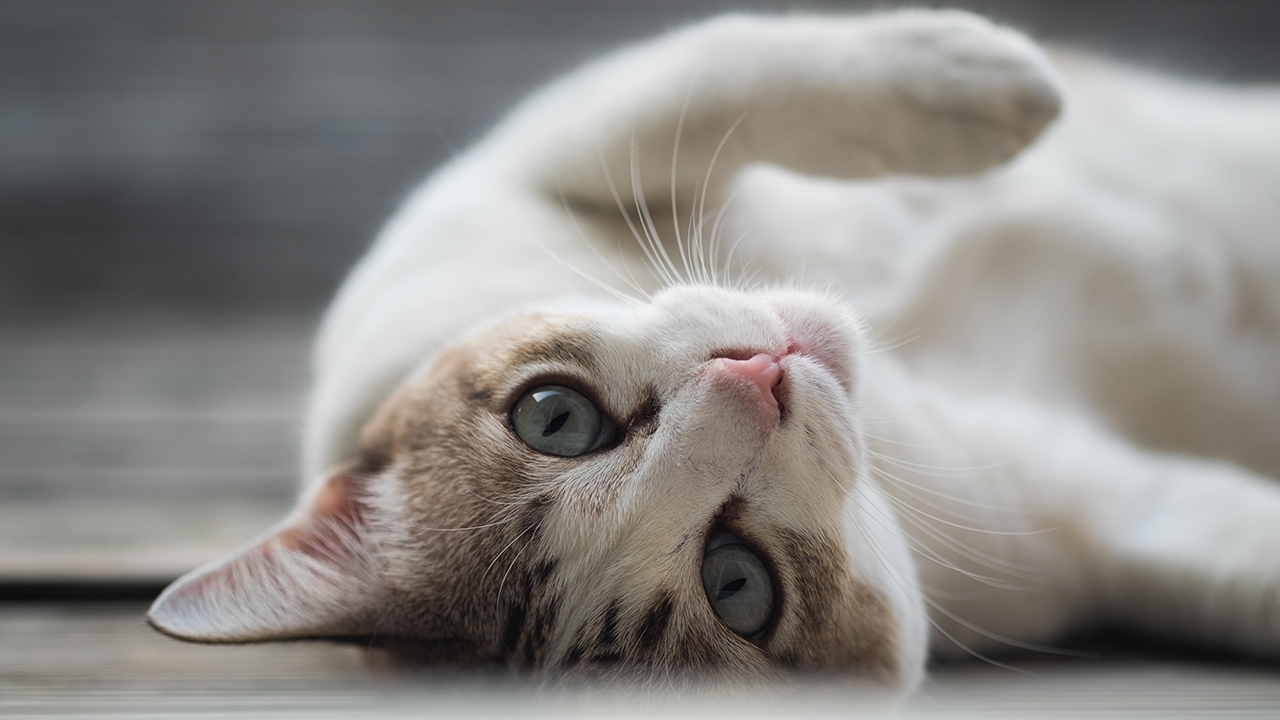
Inviting cat owners to uncover the secret of “ 7 Strange Cat Habits ”—puzzling behaviors rooted in instinct. Knowing these will help you better understand your cat and respond appropriately.
Those who keep cats, commonly called “cat slaves” often encounter their cats' baffling behaviors, like squeezing into small boxes, bringing dead animals, or running wildly at night. Experts in animal behavior say these actions are not random but inherited instincts from wild feline ancestors.
Thairath Online takes you to understand 7 Strange Cat Habits to truly grasp what cats are thinking and communicating to their owners.
Often, we see cats pressing their front paws repeatedly on pillows, blankets, or even their owners. This behavior is called “kneading.” Veterinary information shows this instinct originates from kittenhood when they knead their mother's teats to stimulate milk flow. As adult cats continue this, it expresses feelings of relaxation, safety, and happiness.
No matter how expensive the toys you buy, cats often prefer cardboard boxes. The main reason is “safety.” Boxes give them a secure private space safe from predators and serve as excellent ambush points, matching their hunting instincts. Additionally, cardboard boxes retain heat, making cats feel warm.
When a cat approaches and rubs or bumps its head against you, it shows affection and friendliness. Cats have scent glands on their cheeks and forehead; rubbing deposits their scent to “mark ownership” and build familiarity.
Finding dead lizards, birds, or mice at your doorstep may be startling, but from a cat’s perspective, this is a “gift.” Cats are hunters; when they see humans in their family cannot hunt, they bring food to share, expressing love and care in their own way.

Sudden bursts of high-speed running around the house at night, called Zoomies, stem from natural instincts. Cats are most alert at dawn and dusk. This frantic running releases energy accumulated from sleeping all day.
When cats look out the window at birds or insects, they often make a “chattering” sound with trembling jaws. Animal behavior experts explain this is excitement and frustration from seeing prey they cannot catch.
Many cats ignore water in bowls but prefer licking running tap water. This behavior comes from their wild instinct that “flowing water is clean,” while still water may carry germs. Using a cat water fountain is another option to encourage cats to drink more.
Cat behaviors that seem strange to humans actually have scientific and survival instinct explanations. Understanding cat habits correctly not only reduces frustration and misunderstandings but also strengthens the bond between cat owners and their feline friends.