

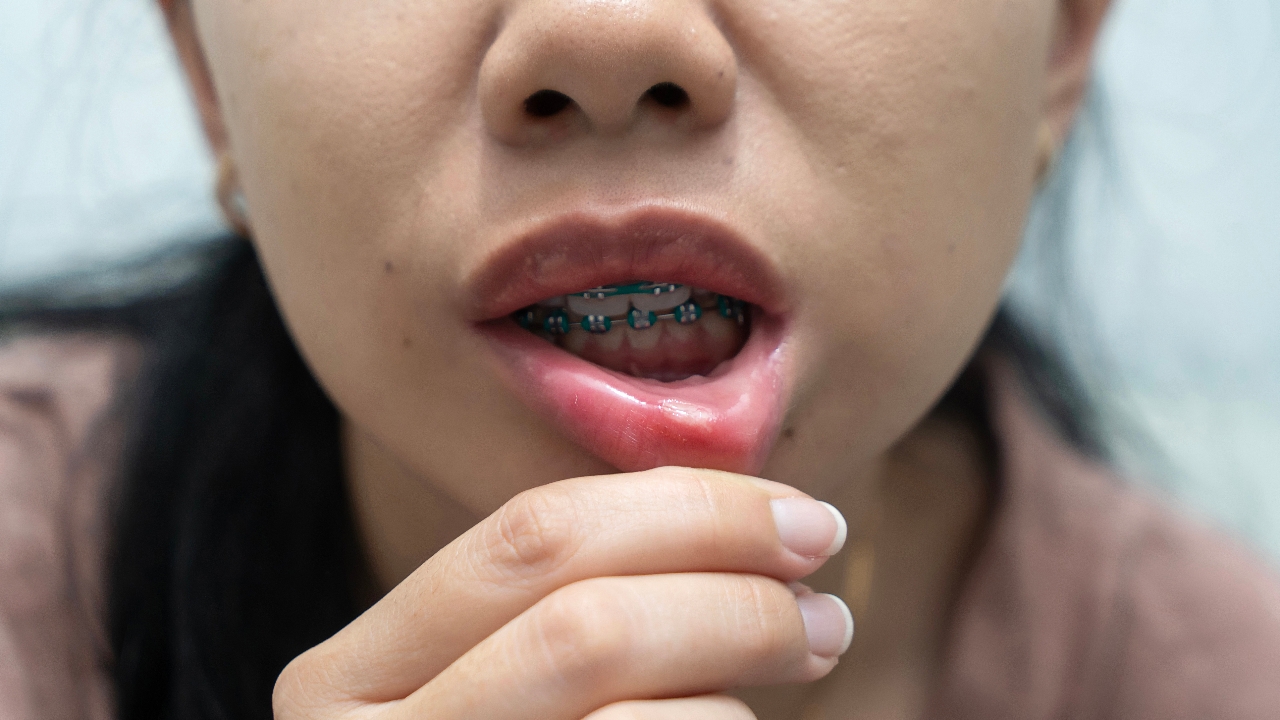
The condition known as "mouth ulcers" feels like tiny sores inside the mouth that cause intense pain, making eating, swallowing, or even speaking very distressing.
These small sores cause pain and internal irritation, and medical and nutritional experts clearly state that "eating habits" are a key factor determining whether these ulcers heal within days or worsen into chronic inflammation. For those battling mouth ulcers, it is strongly advised to completely avoid the following food groups.
1. Highly spicy foods
Chilies, curry pastes, or foods with intense spiciness contain capsaicin and acids that severely irritate the ulcerated tissue, causing increasing burning sensations and dilation of tiny blood vessels, which worsens inflammation.
2. Sour fruits and highly acidic foods
Oranges, lemons, pineapples, tomatoes, and even soft drinks have high acidity. When they come into contact with sensitive mouth ulcers, they cause severe burning similar to pouring vinegar on a fresh wound, which hinders the natural healing process.
3. Fried, grilled foods, and crunchy snacks
Fried chicken, crispy pork, or snacks with hard, sharp edges can scrape and irritate the oral tissues, causing ulcers to tear wider and increasing the risk of secondary bacterial infection.
4. Very hot foods and drinks
Tea, coffee, or freshly boiled soups with very high temperatures can burn inflamed oral tissues, causing repeated cell injury. It is recommended to wait until foods cool to warm or room temperature before eating.
5. Very sweet foods
Sweets, sugary drinks, or baked goods high in sugar provide an excellent food source for oral bacteria. Consuming excessive sweets promotes bacterial growth, which slows ulcer healing and increases the risk of inflammation.
Typically, mouth ulcers gradually improve and heal on their own within one to two weeks if you adjust your eating habits appropriately.