

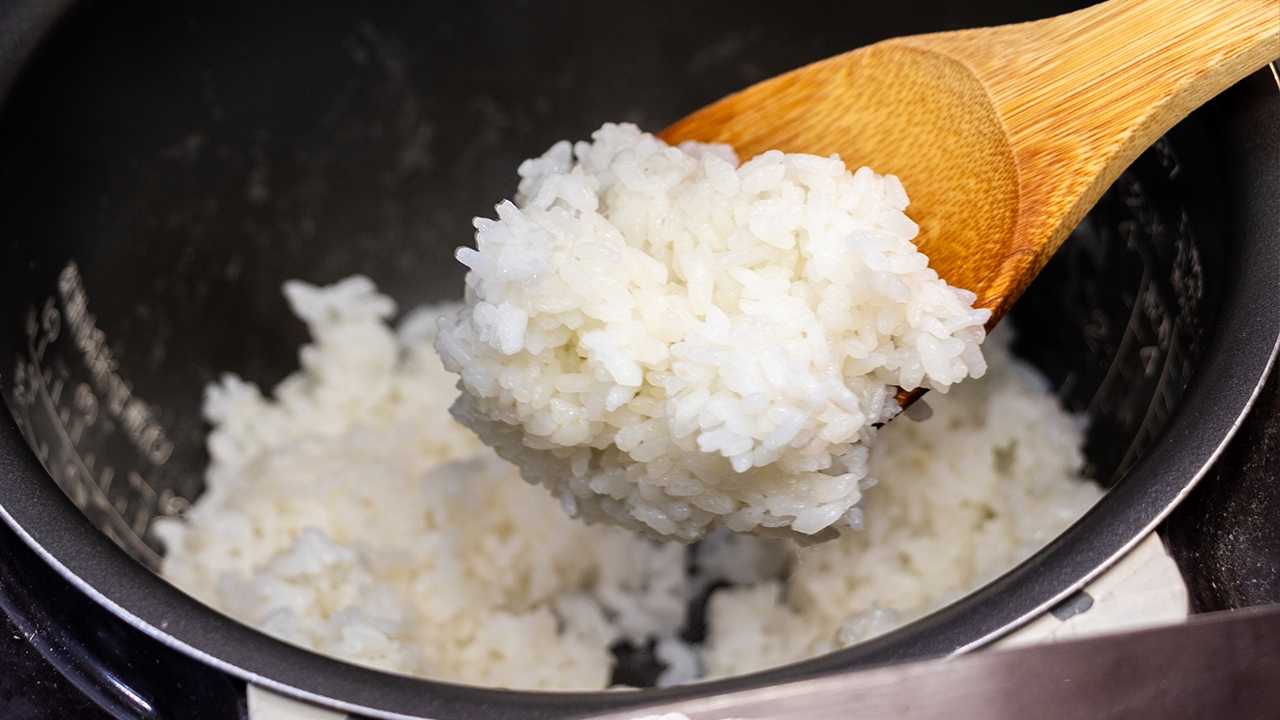
A common kitchen headache is when you accidentally leave cooked rice to spoil in the pot. After that, the same rice cooker seems cursed because no matter how thoroughly you clean it, when you cook rice again, if not eaten within a day, the rice becomes soggy, smells sour, and spoils faster than usual repeatedly.
Scientifically, this phenomenon is caused by "spores of microorganisms and bacteria" that embed deeply in the pores of the metal, rubber seals, or steam vent. Ordinary dishwashing detergent cannot kill these germs. When the pot is heated with moisture during cooking, these fungi revive and grow immediately. Today, we have gathered five methods to fix repeated rice cooker spoilage for homemakers to try.
If your rice cooker is facing this issue, don’t rush to discard the pot or change your rice brand. Try these kitchen tricks to thoroughly remove germs, and you’ll see clear results.
1. Vinegar steaming method (removes fungi deeply rooted) The easiest and most effective way is to use vinegar acid.
How to do it Pour clean water into the inner pot about one-third full, then add 2-3 tablespoons of vinegar. Place the pot in the cooker and press the “Cook” button. Let the water boil vigorously for 15-20 minutes. The acidic steam will circulate thoroughly, killing germs on the lid and steam vent valve. Afterwards, rinse with clean water.
2. Boiling concentrated saltwater (inhibits bacterial growth) Table salt in the kitchen has excellent moisture-reducing and antimicrobial properties.
How to do it Mix 2-3 tablespoons of salt with clean water in the rice cooker pot and press cook. Let it boil until steam rises like with the vinegar method. The high salt concentration helps destroy bacterial cell walls embedded inside.
3. Remove and clean the lid and steam valve parts separately.
Caution The often overlooked spots are not the metal pot itself but the "rubber rim, inner lid, and the top steam vent." If your pot allows the inner lid to be removed, take it out and clean off all starch residue. These areas are hotspots where fungal spores hide most.
4. Revive by sun drying in strong sunlight.
How to do it After washing the rice cooker and its parts thoroughly with dish detergent, place them upside down in direct strong sunlight outdoors for about 1-2 hours. Natural sunlight UV rays help break the cycle of germs and effectively remove musty odors trapped inside the pot.
5. Wipe the inner body with alcohol.
How to do it For the outer machine and the inner heating base (areas that must not get wet), use a clean cloth dampened with 70% alcohol to wipe thoroughly to eliminate any spores possibly floating inside the device. Then leave the lid open until completely dry before reassembling the inner pot.
After thoroughly removing fungi from the rice cooker, if you fear the rice will spoil fast (especially in hot or humid rainy seasons), try squeezing lemon juice or adding one teaspoon of vinegar into the pot before pressing cook. The mild acidity helps extend the freshness of cooked rice without changing its taste or aroma.