

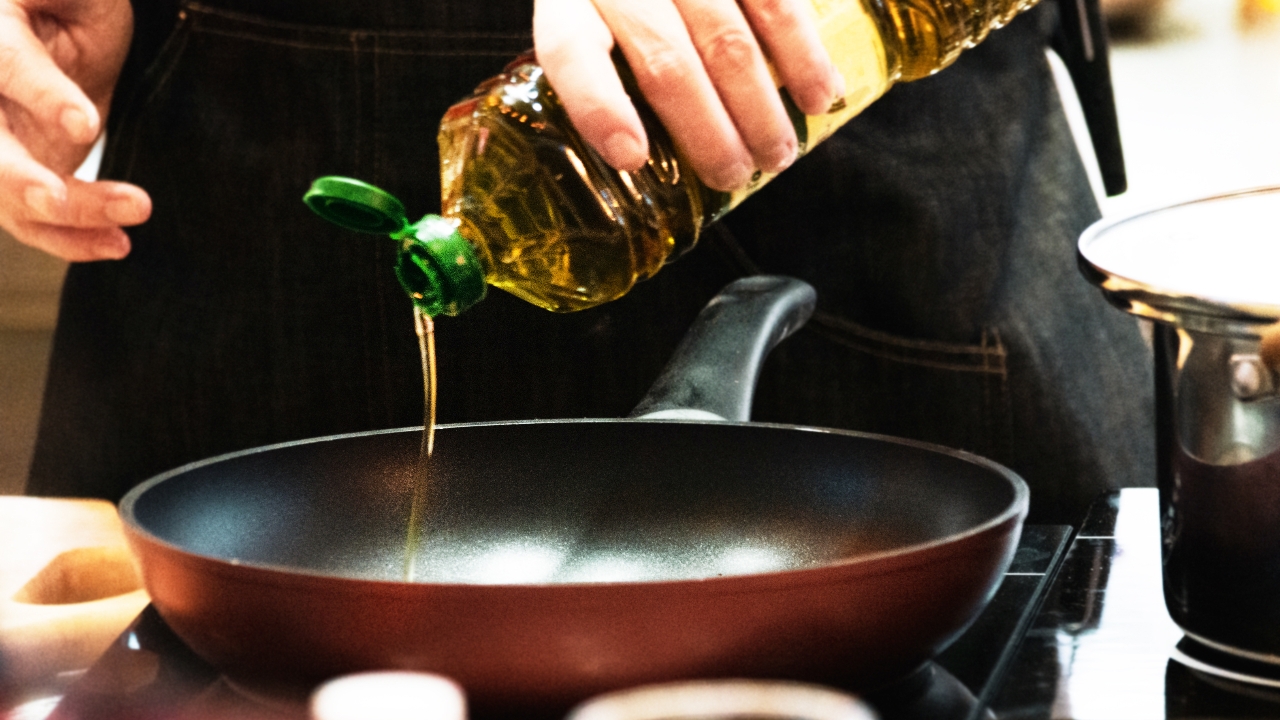
Many people try to eliminate "oil" completely from their meals out of fear of gaining weight and concerns about chronic diseases. However, the human body still needs fats to absorb vitamins and produce essential hormones. Oil, therefore, is not the health villain it is often made out to be if we know how to choose and use it properly.
Using cooking oils for good health and to reduce the risk of NCDs—non-communicable diseases such as heart disease, diabetes, and high blood pressure—can be simple by following three key rules.
Choose unsaturated fats for heart health.
The first key point is selecting the right type of oil. Focus on oils rich in unsaturated fatty acids, as they help lower bad cholesterol in the blood and support heart vessel health. Recommended oils to keep in your kitchen include olive oil, canola oil, and soybean oil.
Match the oil to the cooking temperature.
Each oil has a different smoke point or heat tolerance. Using an oil with a low heat tolerance for high-heat frying causes it to burn and instantly turn into carcinogens. Therefore, pairing the right oil with the cooking method is very important.
For high-heat cooking methods like deep frying or high-temperature frying, palm oil or lard should be used. For medium-heat cooking such as stir-frying vegetables or light frying, olive oil or canola oil is appropriate. For low-heat preparations like salad dressings, marinating meats, or gentle cooking, soybean oil works best.
Control the amount you use.
No matter the type or how healthy the fat is, one important rule is that 1 gram of oil provides 9 kilocalories of energy. Pouring oil generously into the pan increases the long-term risk of obesity, overweight, and heart vessel diseases.
Additionally, there are further tips to sustainably protect against NCDs: limit daily oil intake to no more than 6 teaspoons or about 30 grams. Also, change cooking methods by reducing stir-fried and fried dishes, increasing boiled, steamed, baked, or grilled dishes, and using kitchen tools such as Teflon pans orair fryers,which are excellent helpers in significantly reducing oil usage in each meal.
Taking care of your health doesn't mean you have to endure bland food all the time. By gradually adjusting how you use oil, you can enjoy delicious meals and maintain a healthy body for the long term.
Source: Thai Health Promotion Foundation (ThaiHealth).