

The Thai idiom " ชักแม่น้ำทั้งห้า " is familiar to many, who often think it names five important rivers in Thailand. In truth, this idiom is rooted in ancient Indian beliefs and literature, transmitted through Buddhist influence, before becoming a Thai saying passed down to this day.
Thairath Online will introduce the meaning of the Thai idiom " ชักแม่น้ำทั้งห้า " and reveal which five rivers it refers to, explaining why it has become a widely used expression in Thailand today.
The Royal Institute of Thailand states that ชักแม่น้ำทั้งห้า means to speak persuasively or to bring up various reasons in order to get what one wants, for example, "Just tell me what you want directly; stop beating around the bush (ชักแม่น้ำทั้งห้า)."
In this idiom, the word " ชัก " means to bring up or cite reasons or examples in speech. This saying originates from the Mahajanaka Jataka, a significant literary work that has influenced Thai language and culture. The idiom "ชักแม่น้ำทั้งห้า" refers to raising or citing various reasons or arguments when speaking, derived from a classical story influential in Thai culture.

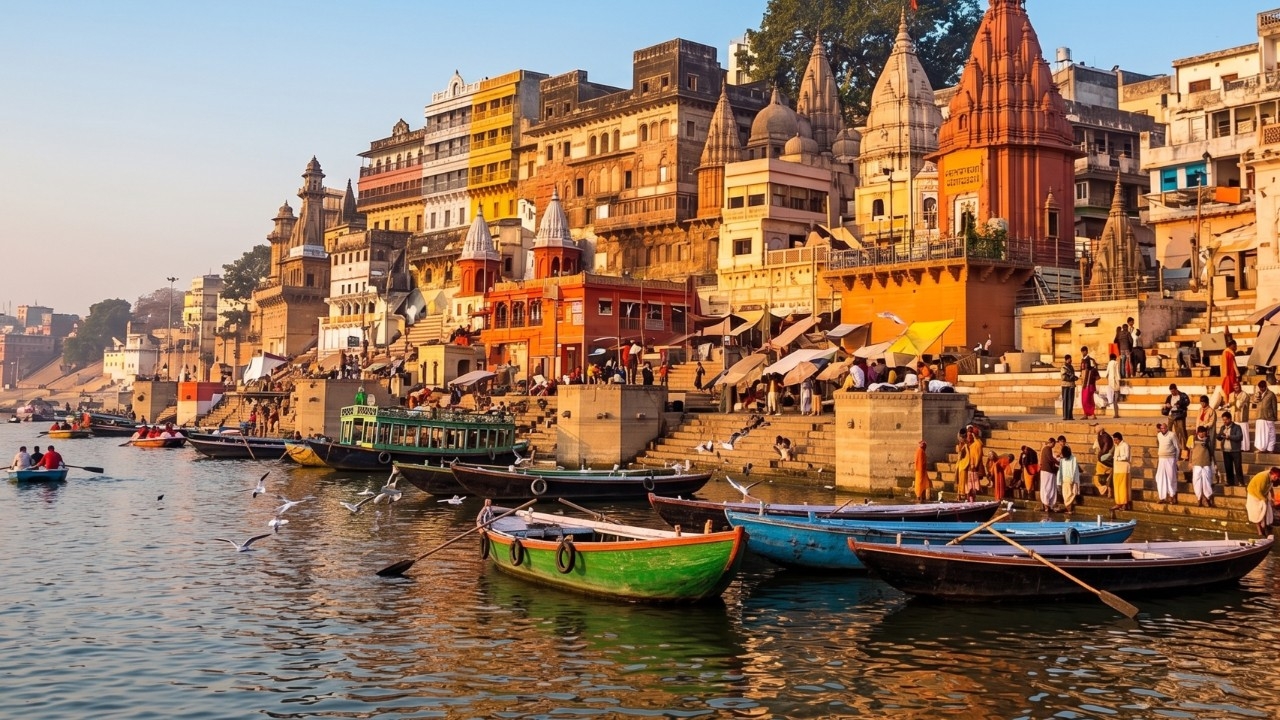
The term " five rivers " does not refer to rivers in Thailand, but to five major rivers of ancient India, known as the Panch Mahānadi which are
In ancient Indian belief, these five rivers were considered great and sacred rivers essential to life. They symbolized greatness, abundance, and the nurturing of people. Thus, someone who speaks persuasively to get what they want is likened to invoking these five mighty rivers.

This idiom originates from the Mahāvaṃsa Jataka, specifically the Kandar Kummar episode, which recounts a past life of the Buddha set in ancient India.
The story of " the old man Shuchak " who traveled to ask for " Prince Chali " and " Prince Kanha " from Prince Vessantara. Knowing the importance of his request, Shuchak did not ask immediately but used eloquent speech praising Vessantara’s generosity and compassion, comparing it to the great nurturing power of the " Panch Mahānadi "—the five great rivers of India that endlessly sustain life.
This practice of citing the five rivers to persuade before making a request led to the idiom " ชักแม่น้ำทั้งห้า " which means to use persuasive or elaborate reasons to achieve one’s desire.

A common misunderstanding is that the " five rivers " refer to major Thai rivers such asthe Chao Phraya, Ping, Wang, Yom, and Nan. But in reality, they do not. Because this idiom is influenced by Indian belief through Buddhism and Thai literature, it refers to sacred rivers of the Indian subcontinent, which have been used metaphorically in the Thai language.

Furthermore, historically, Thais have been connected to the "},{