


Waking up with symptomsof “sleeping wrong on the pillow”Severe neck pain making it impossible to turn your head is a common problem affecting daily life. Check the proper first aid for pain relief and find out whether the traditional belief of sunning your pillow really helps.
Many have experienced waking up with soreness at the base of the neck, feeling sharp pain when turning left or right, almost unable to move the head. This condition is commonly called“sleeping wrong on the pillow.”Medically, this is described as acute neck muscle inflammation (Acute Stiff Neck), often caused by sleeping in an unhealthy posture for a long time or using a pillow that does not fit the body’s natural curves. This causes neck and shoulder muscles to tense and become injured.
When suffering from this condition, the most important thing to avoid is forcefully twisting, rubbing, or massaging the neck, as this can worsen inflammation. Medical institutes and physical therapy experts recommend the following steps:
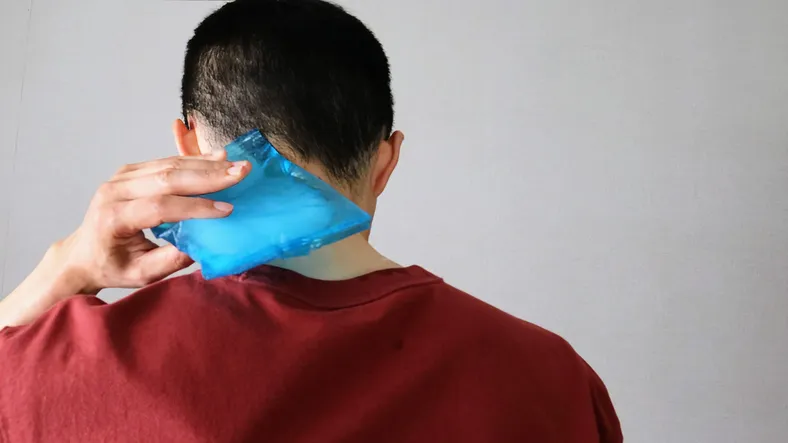
Slowly tilt the head away from the painful side (e.g., if pain is on the right, tilt head to the left). Then use the opposite hand to gently press the head downward until feeling tension in the sore neck muscles. Hold for 10–15 seconds and release. Repeat 3–5 times, gently without causing sharp pain.
While still in pain, avoid bending the head forward to use a smartphone, carrying heavy bags on one side, and choose a soft pillow with appropriate height that supports the neck’s natural curve when lying on the back or side.
Many have heard from elders that if you wake up with neck pain from sleeping wrong on the pillow, you should immediately put your pillow in the sun, and the pain will go away. This belief actually has a scientific explanation.

Medical and hygiene facts state that sunning the pillow does not directly cure muscle inflammation or neck pain. The gradual improvement after sunning is because the neck muscles naturally start moving and healing over time during the day.
However, this belief is an excellent traditional practice for"bedding hygiene."Sunlight and UV heat reduce moisture in the pillow, kill bacteria and fungi, and reduce dust mites, which cause allergies. Sunning the pillow keeps it clean, firmer, and better supports the body during sleep, indirectly reducing the chance of recurrent neck pain.
Generally, symptoms from sleeping wrong on the pillow improve and disappear within 2–3 days. But if you notice these warning signs, see a doctor for detailed examination:
Neck pain from acute muscle inflammation caused by sleeping wrong on the pillow can be relieved by cold compresses initially, then warm compresses and gentle stretching. Though sunning the pillow does not directly treat pain medically, it is a valuable traditional practice for killing germs and reducing dust mites, promoting long-term sleep hygiene.