

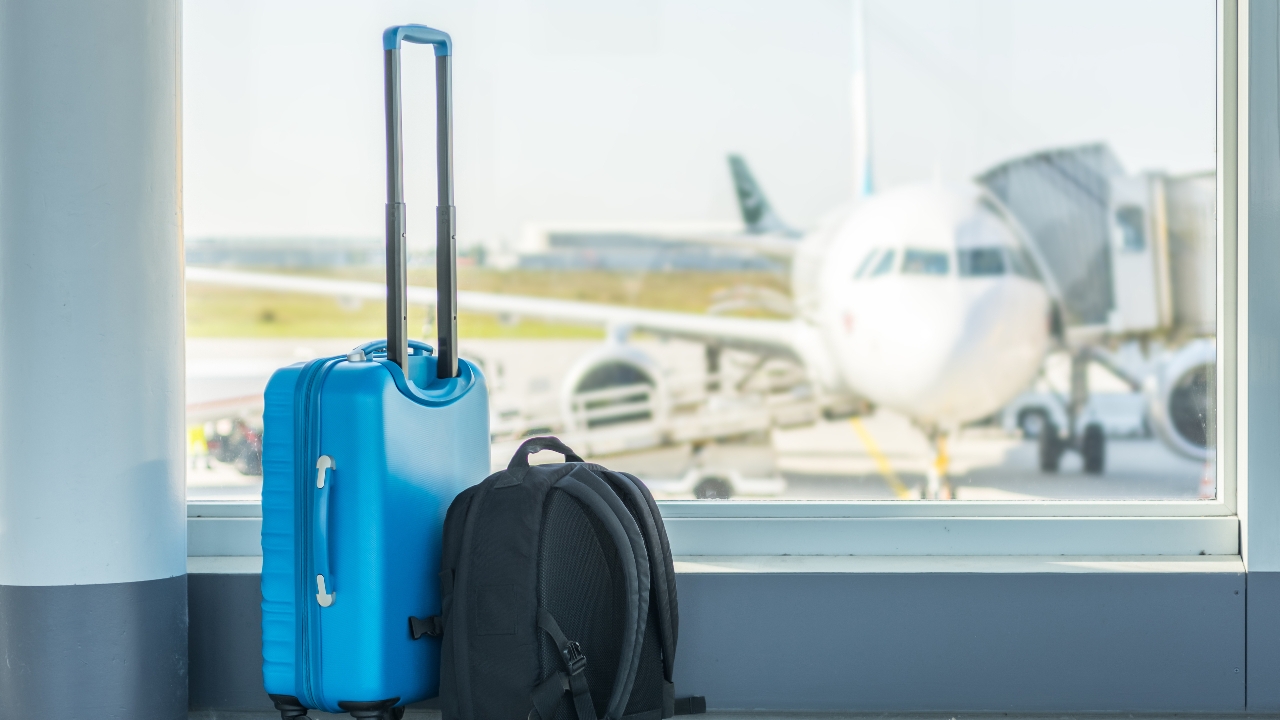
Nothing drains our energy and wears us out faster on any trip than struggling to drag an overstuffed suitcase through foreign streets. Choosing a good suitcase is like passing the first crucial checkpoint in international travel.
Nowadays, with airlines enforcing stricter carry-on baggage rules, picking a good suitcase is no longer just about looks. It must meet functional needs and comply with airport regulations. Let's look at expert tips on how to choose one.
This content from Thairath Online draws from Jane Sung, Deputy Editor of Forbes Vetted and an avid traveler, who advises starting with basics: durability, smooth wheels, and smart organization. Key factors to consider include:
1. Durable materials A must-have is a hard case suitcase that can withstand rough handling at baggage claims.
2. Smooth rolling function Spinner wheels that rotate smoothly and quietly, plus a strong, durable telescoping handle, are essential features not to overlook.
3. Consider the overall package When buying a suitcase, consider its physical dimensions, the materials used, and the brand’s warranty policy.
Based on the above advice, here’s how to choose a carry-on bag that meets regulations and looks stylish:
CheckThe suitcase dimensionsCarefully before traveling, since each airline sets size standards for carry-ons. Paying attention to physical dimensions is the first key checkpoint. Choose a standard Cabin Size, usually about 20 inches, or double-check with the airline to avoid gate agents forcing you to check your bag.
Next, choose a lightweight suitcase to save your weight allowance. Standard carry-on weight limits are around 7 kilograms, so selecting a hard case made from light materials matters greatly, leaving more weight allowance for essentials.
Most importantly, organize the interior neatly because often you may be randomly checked or need to unpack liquids/or laptopsfor scanning. Smart organization is crucial. It’s recommended to use a suitcase with compartments to separate clothing and items inside. This helps keep belongings tidy and prevents items from falling out when opened at security checkpoints, maintaining a neat appearance.
Source: Forbes