

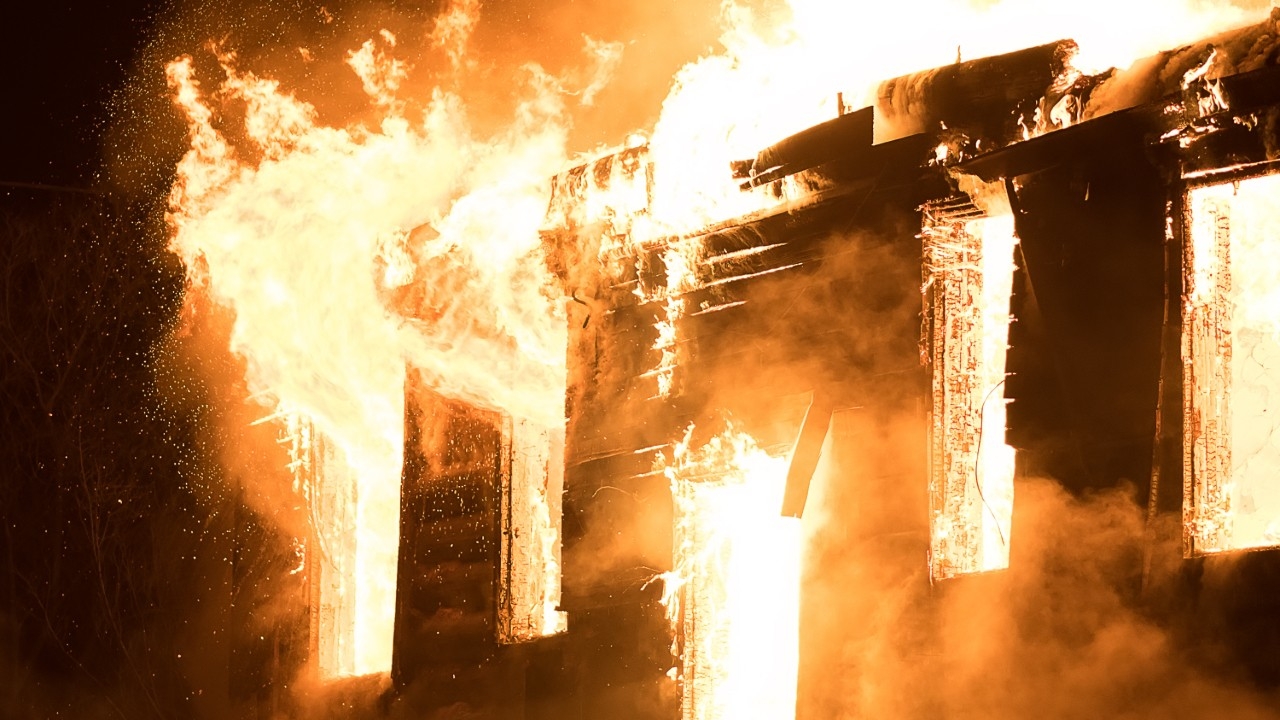
When a fire breaks out in a building, the danger is not just from visible flames but also from "severe fire phenomena" such as Backdraft or Flashover, which can occur suddenly and are more dangerous than commonly perceived.
Statistics from the Department of Disaster Prevention and Mitigation (DDPM) show that building fires often become intense and cause significant loss of life because scientific phenomena can rapidly intensify the fire within fractions of a second, especially in enclosed spaces. Understanding what Backdraft is and how it differs from other phenomena is crucial for assessing situations and improving survival chances.
From the science of firefighting, fire behavior in enclosed rooms or confined areas can develop into four main dangerous forms as follows:
What is Rollover? Rollover occurs in the early stages of a fire when partially burned chemicals or gases rise and accumulate near the ceiling. When these gases reach their ignition temperature, flames ignite and rapidly spread along the ceiling line, while objects below remain unburned.
What is Flameover? Flameover is similar to Rollover but more intense. It involves the rapid ignition of a large volume of hot gases accumulated at the top of the room. Flames spread through this layer of hot gases along the ceiling and upper walls, signaling a critical warning that heat is reaching extreme levels.
What is Flashover? Flashover is a progression beyond Rollover and Flameover. It happens when heat buildup in a room reaches about 500-600 degrees Celsius, causing radiant heat to ignite all objects and materials inside simultaneously. The entire room quickly becomes engulfed in flames, drastically reducing survival chances.
What is Backdraft? This phenomenon is entirely different from the first three. It occurs under "oxygen-deprived conditions," such as a fire in a tightly sealed room where oxygen has been nearly depleted. High heat and unburned gases accumulate, and when a door, window, or glass suddenly opens or breaks, fresh air rushes in, mixing with hot gases and causing a violent explosion that blasts outward from the room.
All four fire phenomena—Backdraft, Flashover, Rollover, and Flameover—are life-threatening. The most important response when facing a fire is to stay calm, observe smoke characteristics, heat, and the surrounding environment. Avoid opening doors that are extremely hot, and move by crawling low to escape toxic gases and accumulated heat near the ceiling, ensuring the safest possible exit from the danger zone.