

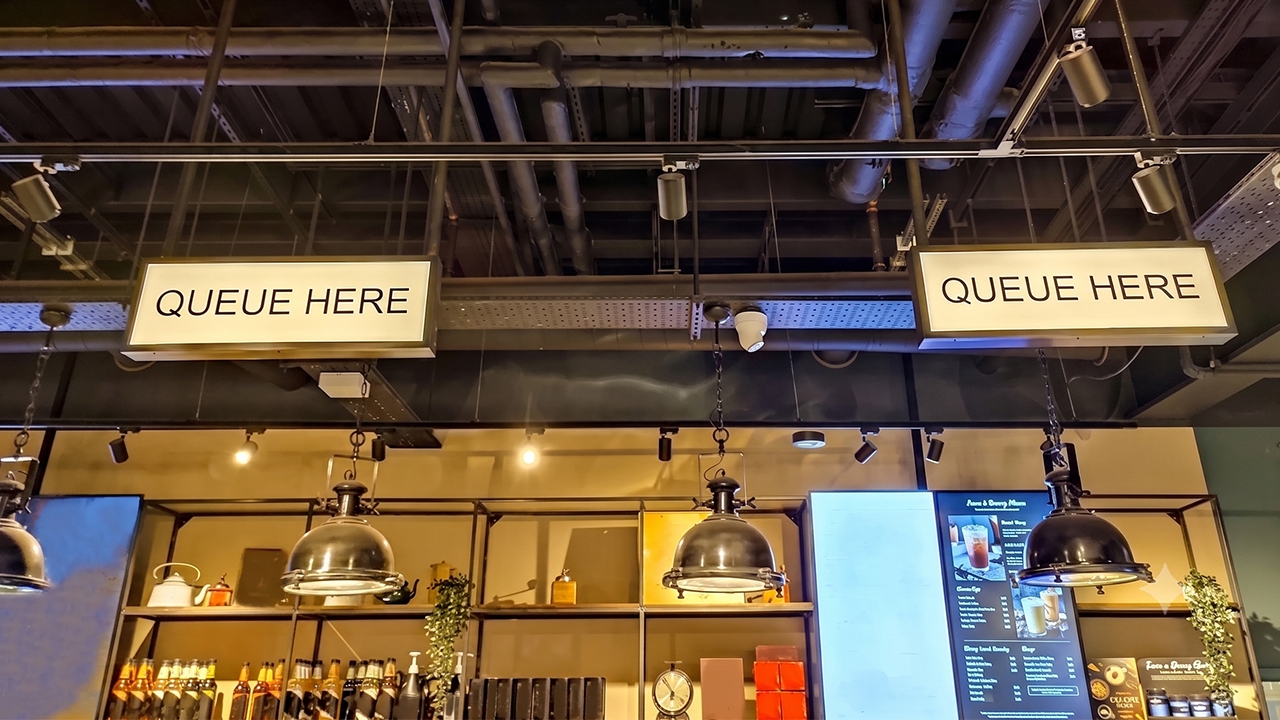
Following a fire suspected to have been caused by a ceiling air conditioner short circuit, let's explore the reasons behind this hidden hazard, along with ways to identify and handle it to ensure safety for both operators and customers.
Fires in commercial establishments or restaurants are accidents no one wants, especially when preliminary assumptions point to electrical short circuits in cassette-type ceiling air conditioners. Such incidents are unpredictable events that customers cannot foresee in advance.
To aid prevention and monitoring, understanding the engineering reasons why common cooling devices might become sources of electrical short circuits is important for both property owners and the general public.
Ceiling-embedded or four-way cassette air conditioners are popular in restaurants and commercial buildings because they distribute cool air well and save space. However, their hidden installation above ceilings can create concealed risks as follows.
Although the air conditioner is hidden on the ceiling, before a severe short circuit occurs, there are often warning signs that customers or staff can notice.
1. Burning smell This is the clearest initial sign. If you detect a smell like burning plastic or rubber carried by the air, you should inform staff to check and immediately switch off the circuit breaker.
2. Frequent circuit breaker trips If turning on the air conditioner causes frequent power cuts, it indicates electrical system problems. Do not force the breaker to stay on for continued use.
3. Unusual noises Loud moaning noises from the motor beyond normal levels or crackling sounds like sparks from the ceiling.
4. Water leaking from the ceiling This signals drainage issues, which risk short circuits if water contacts electrical circuits.

Electrical fires can happen anytime and are unavoidable accidents. From a customer's perspective, staying calm, observing abnormalities, and locating emergency exits whenever visiting different places are the best ways to protect oneself.
For operators, strict adherence to scheduled electrical equipment maintenance, inspecting wiring above ceilings, and installing certified automatic power cut-off systems are crucial protective measures that reduce risk, safeguard customers’ lives, and keep businesses safe from unforeseen incidents.