

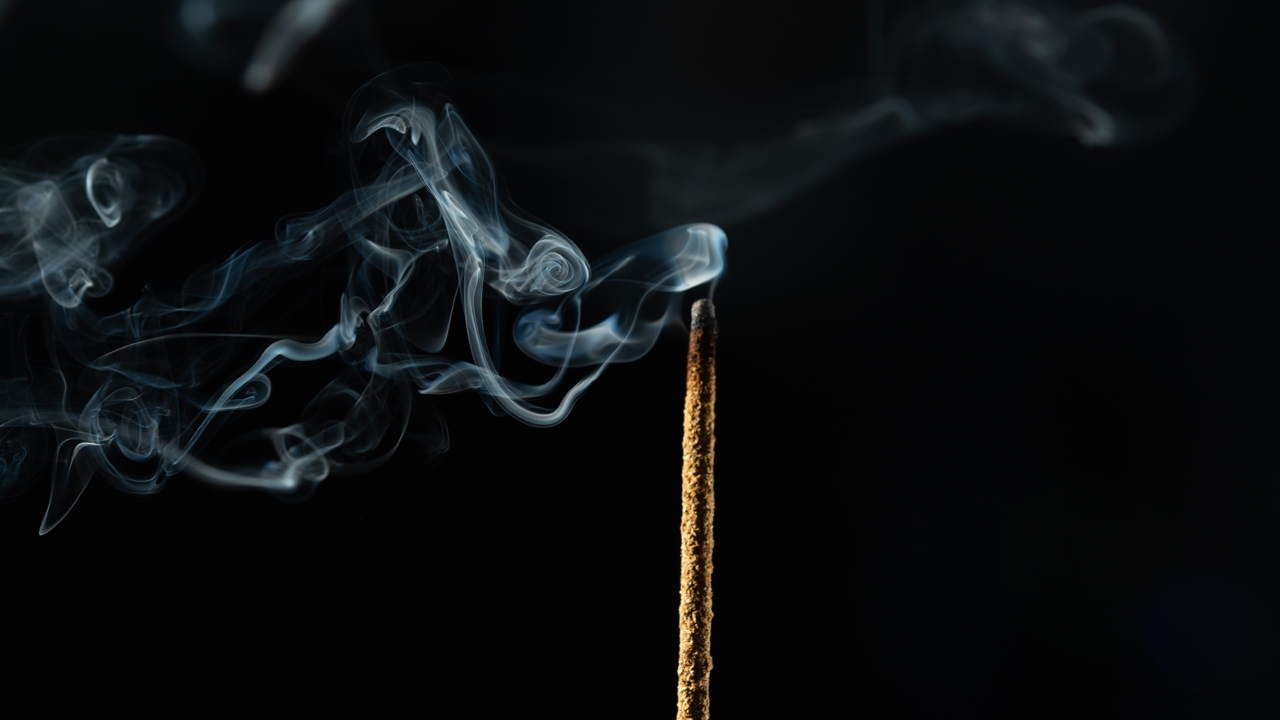
The smell of incense smoke wafting mysteriously through the air, even though there is no incense burning, worship, or any activity that would normally produce smoke nearby, is an eerie experience many have encountered that easily causes chills.
In ancient Thai beliefs and many other cultures, the interpretation of "smelling incense" is often regarded as a sign of a visit from sacred beings, spirits, or deceased relatives. However, modern studies have provided tangible explanations about the mechanism behind these "mysterious smells." Why does the brain link "the smell of incense" to "the supernatural"? What does smelling incense mean?
"cultural association." From childhood, Thai people commonly associate the scent of incense with auspicious ceremonies, funerals, temples, or religious rituals, which are directly connected to spiritual and supernatural matters. Therefore, whenever the brain's olfactory region receives a stimulus resembling or close to the scent of incense—whether from diluted chemicals in the air or distant burning wood—the brain immediately recalls the most prominent cultural memory to explain it. This is why many people first think of "ghosts" or "spirits," unlike Westerners who might interpret similar smoke scents as fireplace, oak wood, or barbecue smells based on their own experiences. Understanding "olfactory hallucination," which may cause strange smells
Smelling odors that do not exist in the current environment is a real medical condition called
olfactory hallucination. This occurs due to dysfunction in the olfactory system or brain interpretation, with key physical causes including: Inflammation in the nasal cavity. Sinusitis, chronic cold, or upper respiratory infections can cause olfactory cells to send incorrect nerve signals to the brain. Environmental factors and chemicals.
Stress and insufficient rest. These directly affect brain neurotransmitters, causing the brain's olfactory processing area to "spark" or emit static electrical signals that manifest as familiar past smells. Olfactory hallucination symptoms