

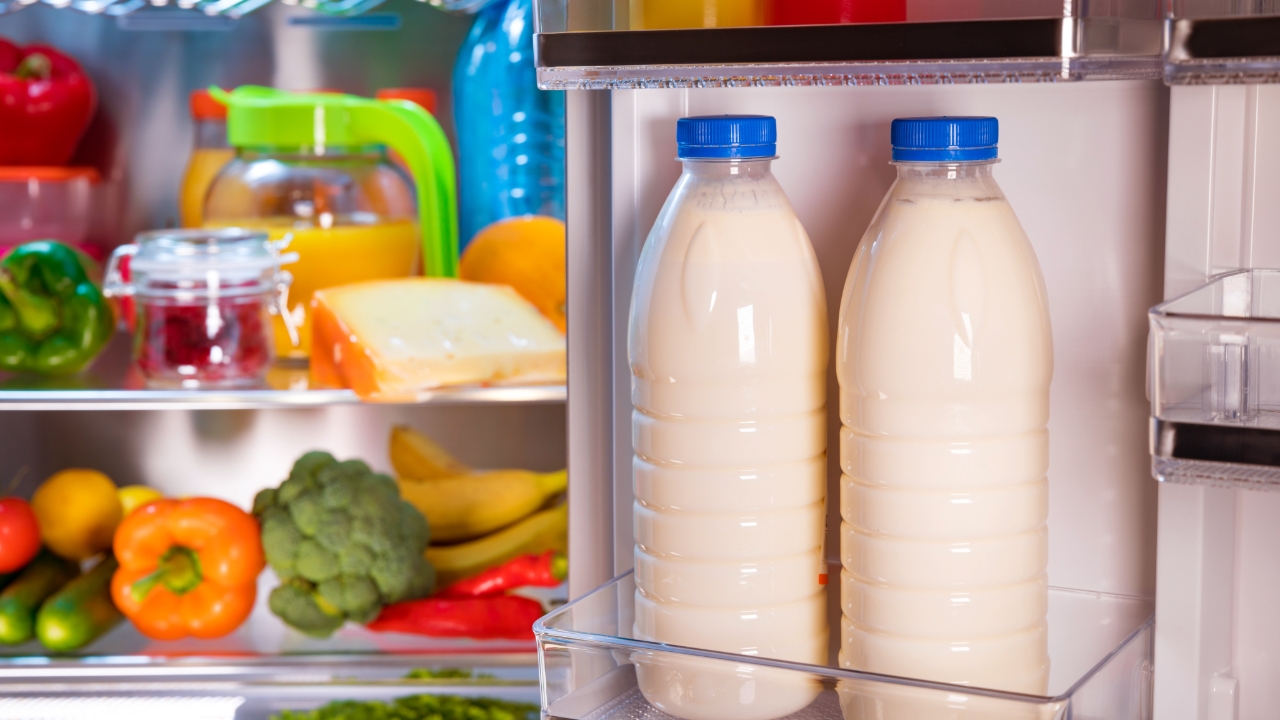
Introducing simple techniques for storing ingredients in the refrigerator Many people end up throwing away fresh groceries because vegetables wilt, meats spoil, or seasonings expire before use. However, simply changing storage methods can extend ingredient shelf life, reduce food waste, and save a significant amount of money. To make every purchase worthwhile, try following these five kitchen ingredient storage tips.
Often, it’s hard to remember when items were bought. Using stickers or notes to mark the purchase or freezing date on food containers not only helps with meal planning but also indicates which ingredients to use first, reducing the chance of spoilage and waste.
Rice, flour, sugar, beans, or grains can easily absorb moisture and attract insects if left in opened bags. After opening, transfer them to tightly sealed containers and keep them in a dry, shaded place to preserve quality and prevent pest problems.

When buying large quantities of pork, chicken, or beef, avoid freezing the whole piece at once. Each time you thaw and refreeze, quality diminishes and bacterial contamination risks increase. It’s better to divide meat into single-meal portions, seal them individually with date labels before freezing.
When bringing groceries home, place newly purchased items at the back and move older items to the front for use first. This First In, First Out method helps prevent forgetting long-stored ingredients and unnecessary food disposal.
Many fruits like bananas, apples, mangoes, and avocados emit ethylene gas that accelerates ripening. Storing them together with leafy greens can cause vegetables to yellow, wilt, and spoil faster. Keeping fruits and vegetables in separate compartments or containers helps extend freshness.

Taking care of ingredients is not just about cleanliness but also helps reduce long-term expenses. Proper storage extends food longevity, maintains quality, and reduces unnecessary waste.
Small behavioral changes such as separating vegetables from fruits, portioning meats, and organizing the refrigerator by usage date can keep fresh foods longer, maximize ingredient value, and truly save money each month.