

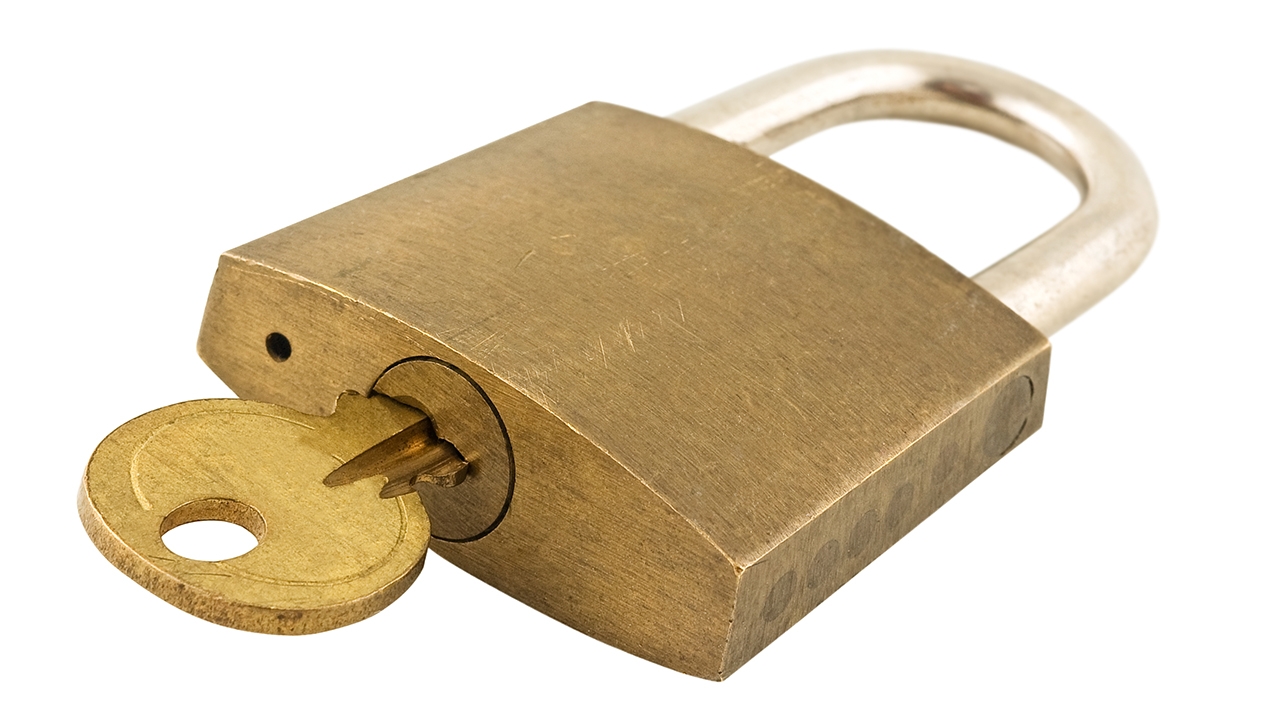
Have you ever wondered about the small hole on a padlock located near the bottom by the key slot? Actually, this is a “water drainage and oiling hole,” an important feature that helps prevent rust and extends the lock’s lifespan.
Many people may have noticed that at the bottom of a padlock, next to the keyhole, there is often a tiny hole roughly the size of a pinhead or pen tip. Some might overlook it or mistakenly think it’s a manufacturing defect. In reality, this small hole is an engineering design intended to help the padlock function efficiently and last longer.
According to lock manufacturers and expert locksmiths, the small hole at the bottom of a padlock serves two main important purposes:
Most padlocks are used outdoors, such as for securing gates or warehouses, exposed to sun and rain. Without a drainage hole, rainwater or moisture that seeps inside the mechanism would accumulate, causing rapid rust and corrosion. In cold climates, this hole also prevents water from freezing inside, which could expand the mechanism and damage or jam the lock.

After prolonged use, the internal springs and bearings may become stiff or accumulate dust. This small hole is designed to allow users to spray lubricant or graphite powder directly inside to maintain smooth operation without needing to dismantle the lock.
If you look closely, not all padlocks have a drainage hole at the bottom. It is mostly found on outdoor padlocks made of brass or steel. Smaller locks, such as those for luggage or indoor use where there is no exposure to rain or moisture, may not have this hole because there’s little risk of water damage.
To keep your home padlock working smoothly and securely, you can apply these simple maintenance tips right away.
This small part on a padlock reflects thoughtful design aimed at solving real-life usage problems. The little hole many overlook is not a mere coincidence, but a vital mechanism that has long helped protect our property and home security.