

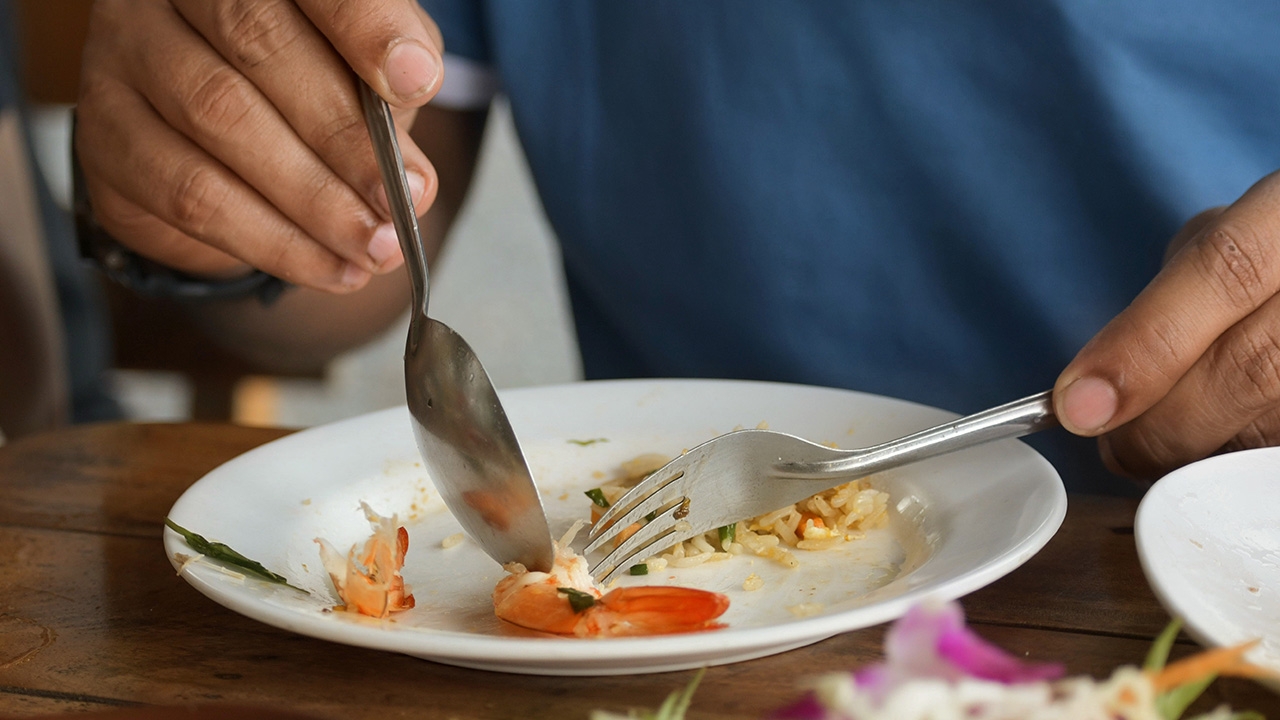
Everyday cutlery can become a hotspot for germs if it deteriorates. Check the warning signs that indicate when you should discard and replace them to ensure safety and good health for everyone in your family.
"Cutlery" refers to the utensils we use daily at the dining table at home. Many people use them for years without remembering when they were bought and only replace them when lost. However, experts in hygiene state that all kitchen tools have a limited "lifespan" and continuing to use worn-out cutlery can harm your health without you realizing it.
Observing the condition of your cutlery is important. If you notice these signs, it's time to say goodbye to your old set.
Although stainless steel is durable, prolonged use or scrubbing with abrasive pads can cause deep scratches. These scratches become prime spots for bacteria and dirt that regular washing might not reach.
Low-grade stainless steel cutlery or those stored in damp places for long periods often develop rust. If you find brown rust spots or corrosion on the metal, discard the cutlery immediately, as putting it in your mouth may expose you to harmful heavy metals that can damage your digestive system over time.
If fork tines are bent or twisted or spoon edges are chipped and uneven, not only is it difficult to use, but it can also injure your lips or cheeks while eating, leading to infected wounds in the mouth.
Wooden or plastic cutlery has a much shorter lifespan than stainless steel. When wood darkens, cracks, or plastic peels or melts from heat, these are signs of mold and chemical contamination that may transfer to your food.

Replacing worn cutlery is not wasteful but an investment in your and your family’s health and safety. Take a moment to check your kitchen drawers today—if your favorite utensils show any warning signs mentioned, discarding and buying new ones is the best choice.