

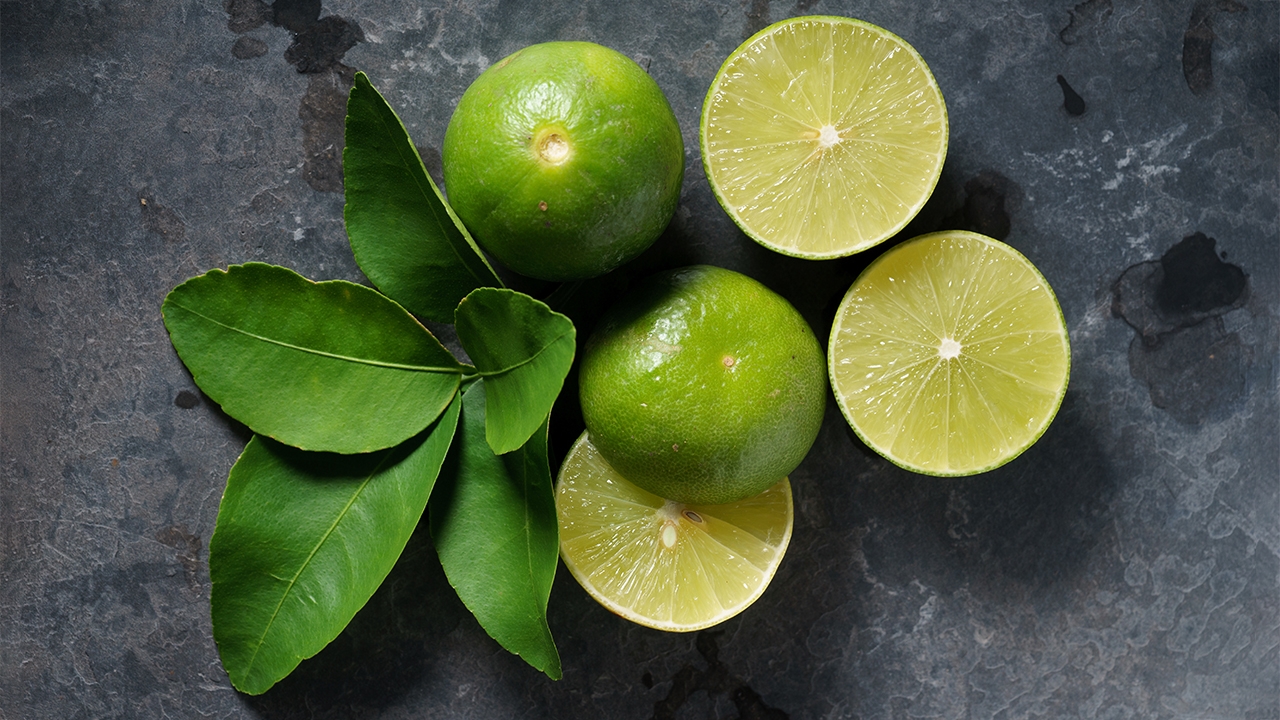
Lime Lime is an essential ingredient in Thai kitchens, but new homemakers may face issues with limes lacking juice or having thick skin. Here are five ways to select ripe limes with thin skin, plenty of juice, and a fragrant aroma, ensuring you get value for your money.
Lime has long been a sour seasoning staple in Thai cooking. According to the Department of Agriculture, the most popular and in-demand lime variety in the market is the "Pan" lime (such as Pan Rampai or Pan Phichit) known for its thin skin, abundant juice, and distinctive fragrant essential oils, unlike the "Kai" lime or the "Round" lime which generally have thicker skin and yield less juice. Knowing lime varieties is the first step to help homemakers choose the right lime for cooking needs.
To find juicy limes, start by observing the overall shape. Good limes tend to be somewhat flattened and round, with slightly flared sides. The bottom should be smooth or slightly indented. If the bottom is pointed, the lime is usually unripe or a thick-skinned variety, which yields less juice.
Ripe, ready-to-juice limes have expanded skin that is taut, with widened pores that look smooth and shiny. Avoid limes with rough, orange-like skin or densely pitted surfaces, as these indicate thick skin and incomplete internal flesh.
Gently press the lime with your fingertips. A good lime will have some flexibility and slightly give under pressure, showing juicy flesh and thin skin. If it feels hard as a rock with no give, it has thick skin or is unripe and should be avoided.

Ready-to-use limes typically have a fresh green color with hints of pale yellow, indicating ripeness. Dark green limes often lack full sourness. Also, smell the lime closely; a quality fresh lime will emit a clear, refreshing scent of essential oils from the skin.
Hold limes of similar size in each hand and choose the one that feels heavier. Greater weight at the same size is the clearest physical sign that the lime contains more juice than a lighter one.
Choosing limes for value does not mean always selecting the largest fruit, but rather focusing on "smooth, taut skin, flat bottom, softness to the touch, and weight." Following these criteria reduces the risk of buying dry limes and ensures that Thai dishes like Tom Yum, Som Tum, or chili dips will have the perfect balance of sourness and aroma.