

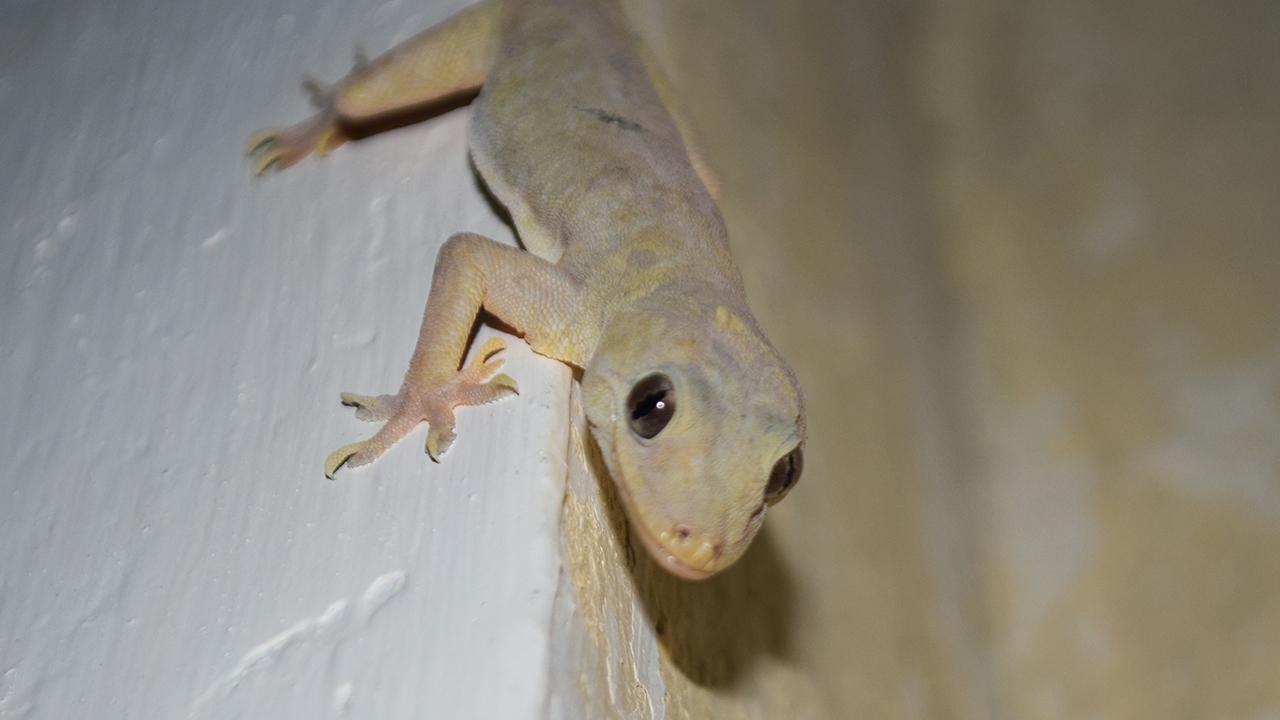
Although "geckos" are small reptiles commonly seen on ceilings and walls in homes, often regarded as familiar and beneficial for catching small insects as food, from a hygiene perspective they can carry serious pathogens that are often overlooked—especially contamination through their feces, body marks, and kitchen utensils.
Although geckos do not have venomous bites like some reptiles, bacteria present in their digestive tracts and feces can severely affect human health as follows.
1. Foodborne infections caused by Salmonella bacteria
Salmonella is a primary bacterium commonly found in the digestive systems of reptiles, including geckos. When geckos defecate on dining tables, dishes, or food containers, humans consuming contaminated food may develop
2. Diarrheal disease caused by Escherichia coli bacteria
Besides Salmonella, gecko feces also carry Escherichia coli (E. coli), a significant cause of chronic diarrhea, vomiting, and rapid dehydration.
3. Respiratory diseases and allergens
Over time, dried gecko droppings or markings can flake off into fine dust that becomes airborne. Prolonged inhalation may trigger allergies, respiratory inflammation, or irritation, especially in asthma patients.

Data from the Department of Health and the Department of Disease Control, Ministry of Public Health, show that some food poisoning illnesses result from neglecting uncovered kitchen containers, allowing carriers such as geckos, rats, or cockroaches to crawl and leave feces.
Contamination risk points in the home | Solutions and hygiene measures |
| Dishes and utensils left to dry | Wash thoroughly before use and store in closed cabinets. |
| Uneaten food | Cover with lids or keep in food containers stored in the refrigerator. |
| Gecko droppings on floors or walls | Wear masks and gloves; spray disinfectant before cleaning to prevent dust dispersion. |
To lower the risk of disease exposure, follow these home care guidelines:
1. Remove food sources Regularly eliminate insects such as termites, mosquitoes, and small cockroaches that are primary food for geckos.
2. Seal entry points Install screens on doors and windows and seal cracks or holes in walls.
3. Use natural repellents Spray herbal scents like peppermint essential oil, kaffir lime, or orange peels to deter geckos.
4. Maintain cleanliness Do not leave food scraps outside the refrigerator and clean greasy kitchen surfaces regularly.