

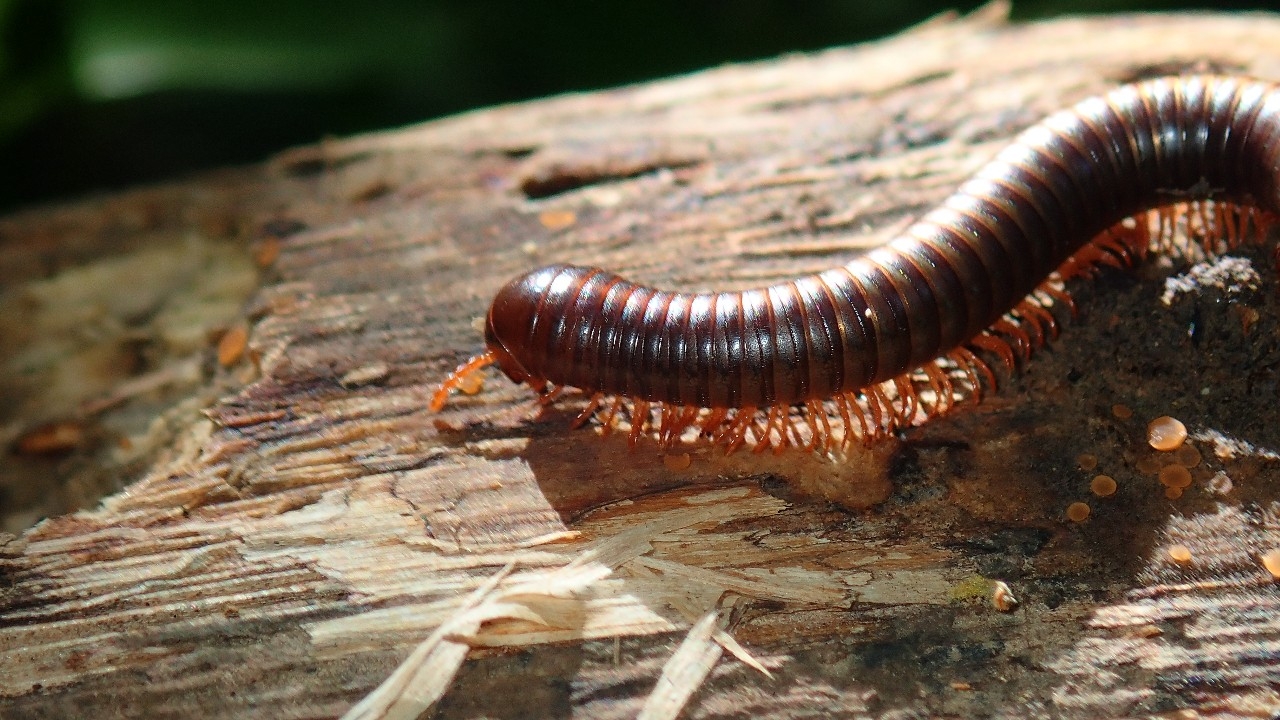
With the arrival of the rainy season, one thing that often accompanies the dampness is "millipedes." These small, long crawling creatures with many legs play a vital role in decomposing plant debris and enriching the soil. However, when millipedes enter homes or living spaces, they can cause disgust and concern among residents.
Millipedes do not bite people because they lack fangs, but some species can release chemicals such as hydrogen cyanide or phenolic compounds from their sides when threatened. These substances may cause irritation, red rashes, or burning sensations on the skin, especially in young children and those with sensitive skin.
If your home is experiencing millipedes crawling on walls, verandas, or entering bathrooms, here are effective and safe methods to manage and eliminate them for your household’s safety.
1. Sprinkle slaked lime or chalk powder.
Slaked lime is a simple and highly effective traditional remedy. Because it is alkaline and reduces moisture, sprinkling slaked lime or chalk powder around the house, along pathways, entrances, or places where millipedes are often found creates a natural barrier that they avoid crossing.
2. Use diatomaceous earth or natural pest control powders.
Diatomaceous earth (DE) is a powder made from fossilized plant remains. It is safe for humans and pets but damages the natural protective coating of insects and crawling creatures, causing millipedes to lose body moisture and avoid treated areas.

3. Spray with wood vinegar spray.
Wood vinegar has a strong burnt smell disliked by crawling insects and pests. Mixing wood vinegar with clean water in the right ratio and spraying it on plant pots, tree bases, or around the house not only repels millipedes but also helps prevent other pest insects.
4. Vinegar and water spray—an excellent alternative.
If wood vinegar is unavailable, you can mix vinegar with water at a 1:1 ratio and spray it in damp corners like bathrooms or laundry areas. The acid and strong odor repel millipedes from those spots.
5. Remove moisture sources and leaf litter.
Millipedes prefer dark, damp places with abundant food like piled leaf litter. Sweeping dry leaves, trimming branches to allow sunlight to reach the ground, and ensuring proper drainage to prevent standing water directly destroy their habitat and food sources.
6. Safely relocate millipedes using a broom and dustpan.
If you find millipedes inside your home, avoid stepping on them to prevent spreading their chemicals on floors or skin. Instead, sweep them up with a broom and dustpan and release them into a garden or natural area far from your home.
Seal gaps and cracks. Inspect door and window edges and drainage pipe openings. If gaps are found, install insect strips or screens to block crawling creatures.
Maintain cleanliness around your home. Avoid letting wood piles, bricks, or plant pots accumulate in ways that create hiding places for millipedes.
Allow sunlight to reach outdoor spaces. Sunlight and dryness are natural enemies of millipedes. Keeping your surroundings dry and open helps sustainably reduce their numbers.
Millipedes are not dangerous creatures aiming to harm humans. However, having many millipedes inside your home can cause allergic skin irritation. Choosing appropriate removal and prevention methods helps maintain cleanliness and safety for your whole family.