

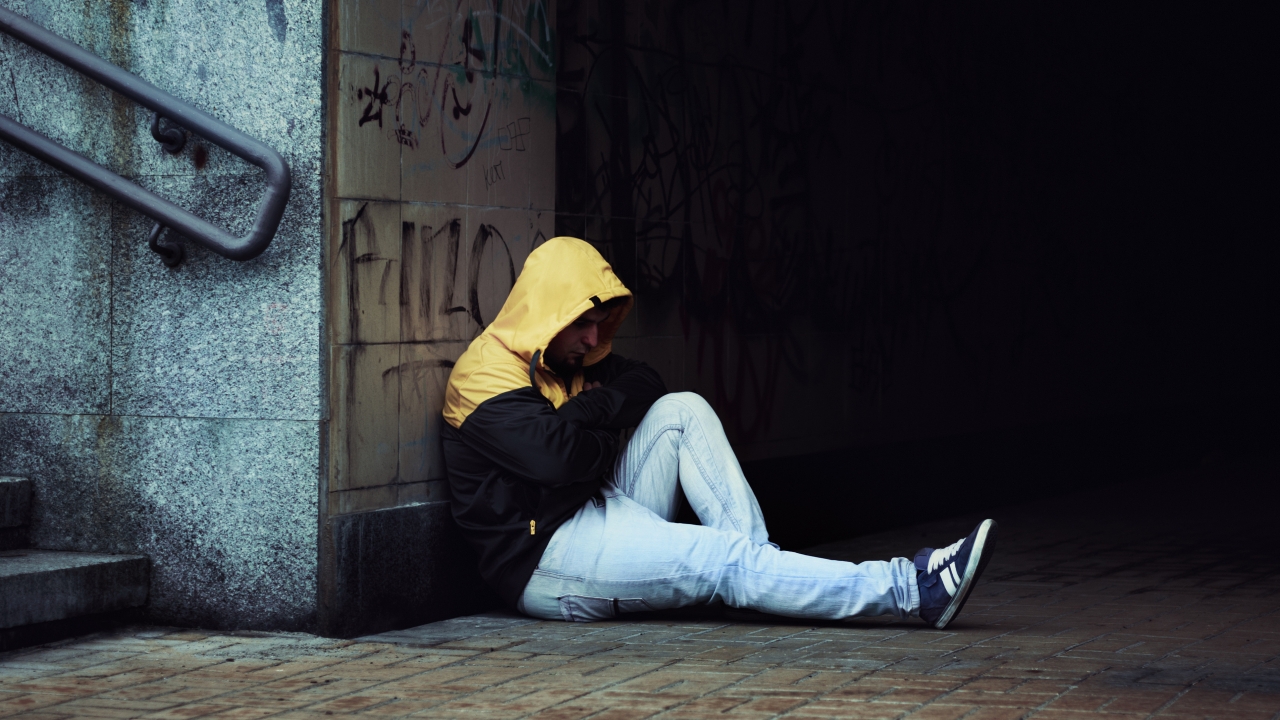
Every time there is news of tragedy or violence caused by children and teenagers, society is often shocked and asks, "How could a child do something like this?" or "Why did no one notice beforehand?" However, from the perspectives of child psychiatrists and criminologists, extreme violence almost never occurs suddenly without cause. It usually leaves behind "traces" or warning signs known as Red Flags, which adults around them may overlook or misinterpret as merely "typical adolescent rebellious behavior."
To prevent situations from escalating beyond repair, here are the hidden Red Flag warning signs and how to detect abnormalities before fractures turn into violence.
Mood swings and teenagers often go hand in hand, but a Red Flag to watch for is a "severe" and noticeable shift—for example, a once cheerful child becoming completely withdrawn, refusing social interaction, cutting off close friends; or conversely, showing excessive violent anger and inability to control themselves over minor disappointments. The clearest sign is losing interest in beloved activities, such as abandoning hobbies or sports and isolating themselves in their room for long periods, which may indicate hidden depression masked by anger.
Enjoying fighting games or action movies can be normal for teenagers, but Dr. Niphat Pitchayothin, Chair of Developmental Psychology at Chulalongkorn University, explained that "Most people can distinguish between reality and virtual worlds, but the Red Flag arises when a group spends excessive time on violent games to the point they cannot separate their real lives from the virtual one."
When this obsession manifests in real-life behavior—such as drawing images full of blood and repeated killings, seriously researching mass murder events, or even bullying animals and mercilessly harming weaker children—these are not just "boys playing roughly," but signs of a lack of empathy and becoming desensitized to others' pain.
Furthermore, Dr. Ariyaporn Tangcheevinsirikul, psychiatrist at BMHH, emphasized the most dangerous factor: "Easy access to firearms." If aggressive or impulsive children begin accumulating weapons nearby without valid reasons, it is the highest warning sign that violence imagined in fantasy is about to be enacted in reality.More information can be found here.
The online world reflects the deepest identity of today's teenagers. Warning signs often appear through posts venting anger, sharing content glorifying violence, or statuses filled with despair and hatred for the world. Moreover, children who suffer prolonged and severe cyberbullying are ticking time bombs that may prompt violent retaliation to defend their dignity. Parents should observe their children's reactions after using social media; noticeable stress or withdrawal is a sign to engage in conversation.
Statistics from violent school incidents worldwide show perpetrators often "hint" or send advance warnings, whether casually telling close friends, "Don’t come to school tomorrow," posting vague threats on social media, or expressing grudges wanting revenge. Unfortunately, such statements are often dismissed as "jokes" or "attention-seeking" until the event actually occurs.
How can parents and those around them respond and observe these abnormalities?
The key is "quality time and non-judgmental listening." Parents and teachers should avoid accusing or pressuring but instead carefully observe behavior from a concerned distance. If even slight abnormalities appear, start a conversation with understanding, such as, "You seem stressed lately. Is there anything you want to share with me?" rather than scolding.
Most importantly, do not hesitate to seek expert help. Taking children to see child and adolescent psychiatrists or psychologists is not shameful and does not mean the child is crazy, but rather creates a safe space for them to release pent-up feelings and receive proper treatment before inner pain erupts into violence harming themselves and others.
Read related articles.