

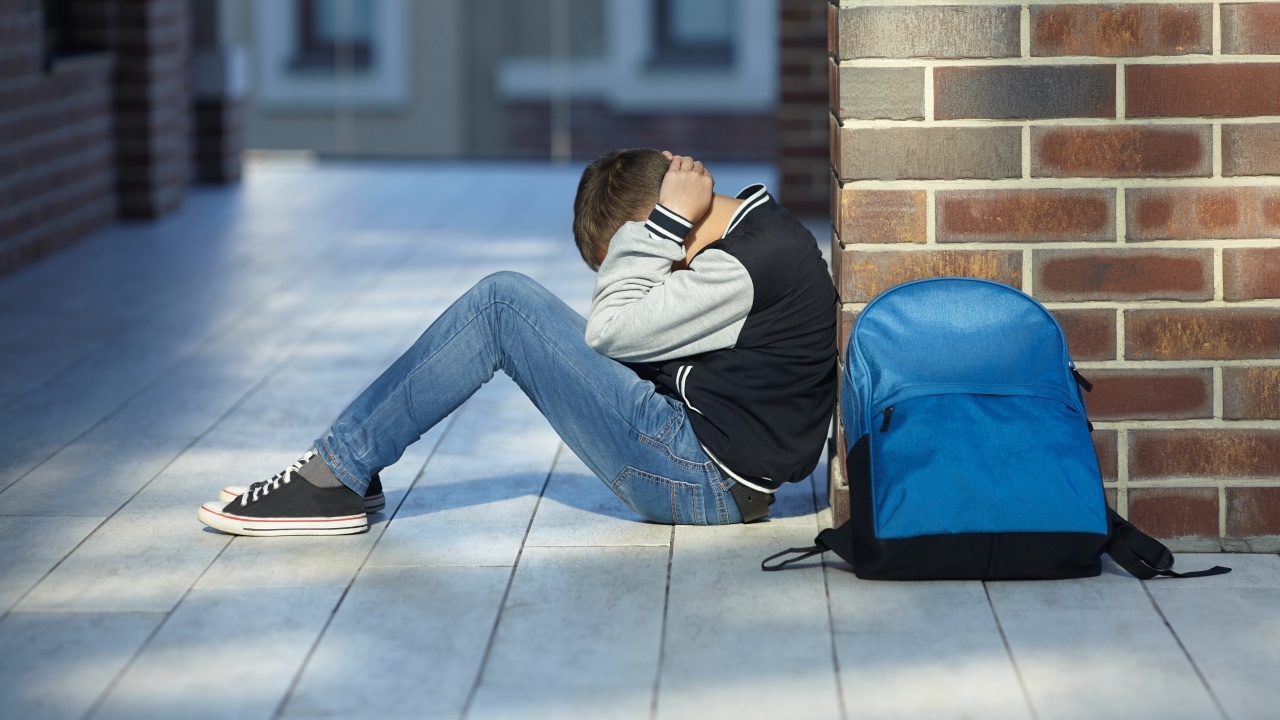
This article presents methods to support children's mental health after traumatic events, signs parents may need to notice, and approaches for when children are too scared to attend school or when to seek expert help.
Violence in schools affects not only those directly involved but also many children who learn about it through media—children in nearby schools and across the country alike.
Children's reactions naturally vary by age and often are not expressed verbally. Young children under six tend to cling more to parents, cry easily, and may fear being alone.
Elementary-aged children often show physical symptoms rather than verbalizing feelings, such as nightmares, unexplained headaches or stomachaches, and decreased concentration.
Teenagers are the hardest to read, often withdrawing, becoming irritable, having trouble sleeping, and repeatedly consuming news and videos of the event in silence. Some may appear to say,"I don't feel anything."Adults often interpret this as having moved on, while it may actually be masking true feelings. These reactions within the first two to four weeks are natural responses and not abnormalities to be alarmed by.
Initially, parents should let children share only what they want without forcing them and avoid phrases like"It's nothing,"or"Don't worry about it,"which can teach children their fears are unspeakable. Instead, reflect their feelings with phrases such as"You're scared, right? Mom and Dad are scared too,"which validates the child's emotions as reasonable.
When children ask questions, answer honestly but in an age-appropriate way, providing correct, brief information without graphic details. At the same time, limit exposure to news and videos of the incident, especially moving images and sounds from the scene.
Two immediate actions are maintaining daily routines—waking, eating, and sleeping times—since predictable routines provide children with a powerful sense of security, and offering concrete reassurances rather than saying"Nothing like this will ever happen again,"which is an unguaranteed promise. Instead, focus on tangible things.
While staying home can temporarily reduce fear, the longer the absence, the harder it becomes to return. Experts recommend gradually reintroducing the child to school without force, starting with driving past the school, escorting them to the gate, allowing half-days, then full days. Communicate with teachers beforehand so they understand the situation and agree on safe places the child can go if overwhelmed, such as the nurse's office. Clear arrangements about pick-up times and who will collect the child also help, as knowing what comes next reduces anxiety.
Finally, if symptoms do not improve within about a month or begin to severely affect daily life, learning, eating, sleeping, or socializing, consult a child psychiatrist or psychologist. Children directly involved in the incident or who have lost close ones should be evaluated from the start.