

Thairath Online
Thairath Online

What to Do If Leech Bites You? Proper Methods to Remove Leeches Safely Without Pulling Hard to Prevent Wounds and Prolonged Bleeding

Life17 Aug 2026 11:02 GMT+7

Share

What to Do If Leech Bites You? Proper Methods to Remove Leeches Safely Without Pulling Hard to Prevent Wounds and Prolonged Bleeding

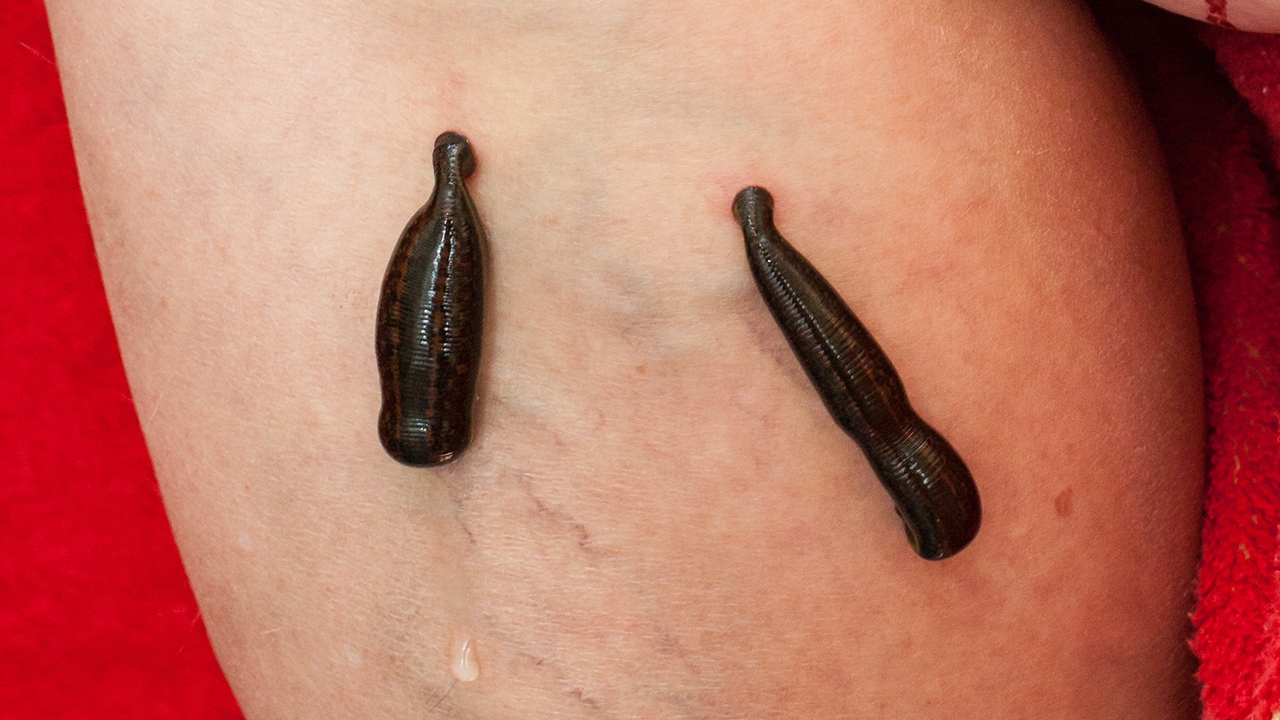
Leech Leeches are segmented animals that prefer to live in still water, damp and wet areas, or humid grassy thickets. They often trouble farmers or those who work in water or explore nature. Leeches feed on the blood of humans and animals. Knowing the proper way to handle a leech bite reduces risks of infection and uncontrollable bleeding.

What you must never do when a leech attaches

  • Never jerk or pull the leech off immediately. Pulling hard can cause the leech’s jaws or mouth tissues to break off and remain in the wound, leading to chronic inflammation and infection. It may also cause the leech to regurgitate bacteria from its stomach back into the wound.
  • Do not use fire while the leech is firmly attached. Sudden high heat can also cause the leech to regurgitate chemicals and pathogens into the body.

Proper way to remove a leech from the skin

If you find a leech attached to your body, stay calm and follow these steps to help it release its suction and detach on its own.

  1. Apply an irritant substance by pouring or dabbing it.

    • Salt or concentrated saline solution Sprinkle salt on the leech. The salt concentration draws water out of the leech, causing dehydration and making it quickly loosen and fall off.

    • Vinegar or lemon juice Drop it onto the leech. The acidity irritates the leech, causing it to release its suction.

    • Insect repellent spray or alcohol swabs Spray or gently apply around the leech’s suction cup.

  2. Use a finger or a hard card to pry the suction cup.

    • If no chemical agents are available, use your finger or the edge of a plastic card to gently slide and pry at the leech’s mouthpart (small suction cup) attached to the skin to break the vacuum pressure. Once the mouthpart detaches, gently pry off the rest of the leech’s body.

How to eliminate and prevent leeches in areas around homes and water sources

For homes or agricultural areas facing leech infestations in ditches or damp places, prevention and elimination methods include:

  • Use lime powder or urea fertilizer Sprinkle lime powder along damp paths, ditches, or pond edges to adjust the pH and create an environment unsuitable for leeches.
  • Raise natural predator fish In ponds or water reservoirs, releasing certain fish species like sea bass, climbing perch, or snakehead fish helps control leech populations and their larvae effectively.
  • Trim overgrown grass and remove standing water Clean the area by clearing thick grass to allow sunlight to reach it, as leeches dislike sunlight and dry conditions.

Care and first aid for wounds after a leech bite

Because leech saliva contains Hirudin which inhibits blood clotting, the wound may continue to bleed for a long time after the leech detaches. You can manage it as follows:

  • Clean the wound Wash the wound thoroughly with clean water and soap.
  • Apply pressure to stop bleeding Use a clean cloth or gauze to press firmly on the wound for about 5–10 minutes to help stop the bleeding.
  • Apply antiseptic Apply Betadine or antiseptic ointment and cover the wound with a plaster.
  • Watch for signs of inflammation If there is pain, swelling, redness, heat, or fever, promptly see a doctor as these may indicate a secondary bacterial infection.