

Clearing up the mystery “Small cockroach” Where do these cockroaches in homes and condos come from, even with frequent cleaning? Revealing hidden routes they use to infiltrate residences, along with proper hygiene-based methods to prevent the nuisance of German cockroaches.
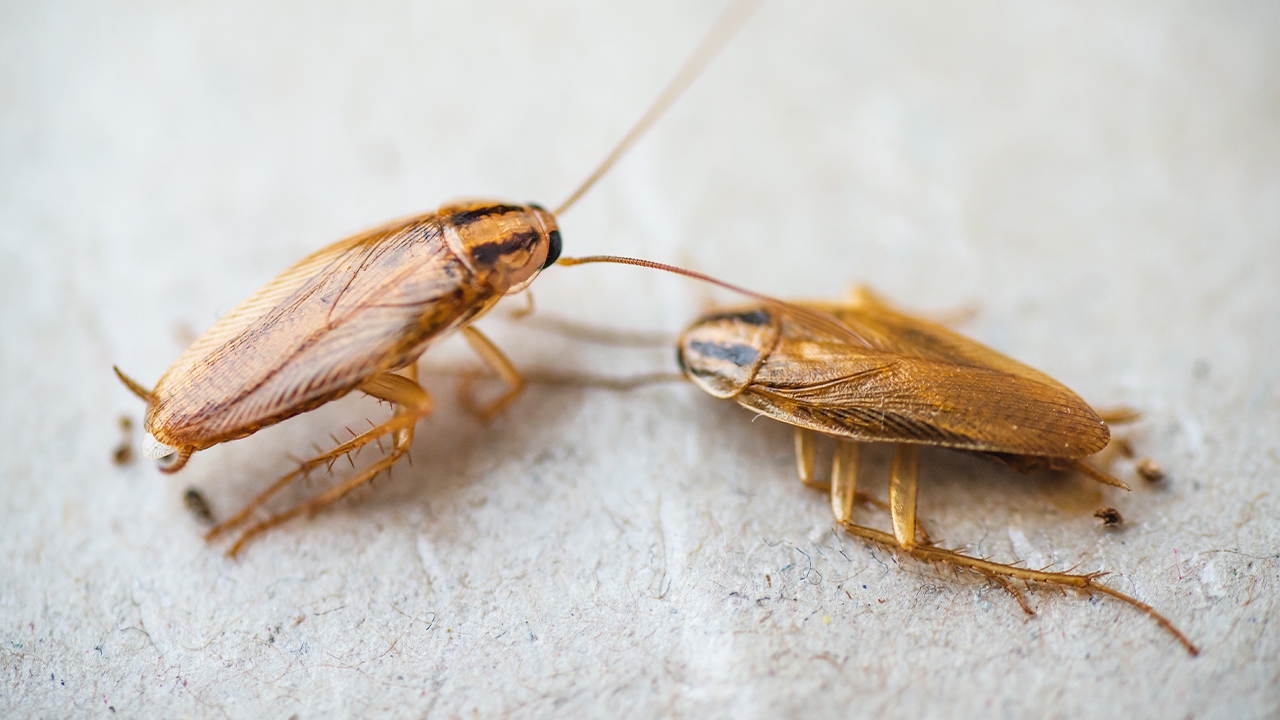
A troublesome problem for homeowners and condominium residents is encountering “small cockroaches” scurrying around kitchens or bathrooms despite regular cleaning. The small cockroach commonly found in buildings is the German cockroach, which has a light brown body, reaches only 1-1.5 centimeters at full size, reproduces rapidly, and tends to hide in dark, warm, and humid places.
Many wonder how these cockroaches enter sealed residences or high-rise buildings with closed windows and doors. In fact, small cockroaches don’t fly or walk in directly from outside but often "hitch a ride on items" we bring into the home, as follows.
Cardboard boxes provide excellent hiding spots for German cockroaches because corrugated paper has gaps to hide in, and the glue on boxes can serve as food. Cockroach eggs often cling to parcels stored in warehouses with poor standards.
When buying fresh food or groceries from fresh markets or supermarkets, small cockroaches or their eggs may hide in folds of plastic bags, paper bags, or even fabric bags if not checked carefully before storing in the kitchen.
Electrical appliances with heating motors—such as microwaves, refrigerators, coffee machines—or secondhand furniture are favored nesting spots for German cockroaches. Bringing these into the home can invite unwelcome guests.
For those living in condominiums or townhomes, if neighbors have cockroach problems, the pests can travel via drain pipes, ventilation shafts, or cracks in walls to find new food sources and shelter.

Once small cockroaches enter a residence, several factors enable them to grow and live long within the unit, as follows.
The problem of small cockroaches in residences should not be overlooked because besides being a nuisance, they can carry diseases harmful to health. Breaking their life cycle at the source is the best way to keep homes and condos clean and safe.