

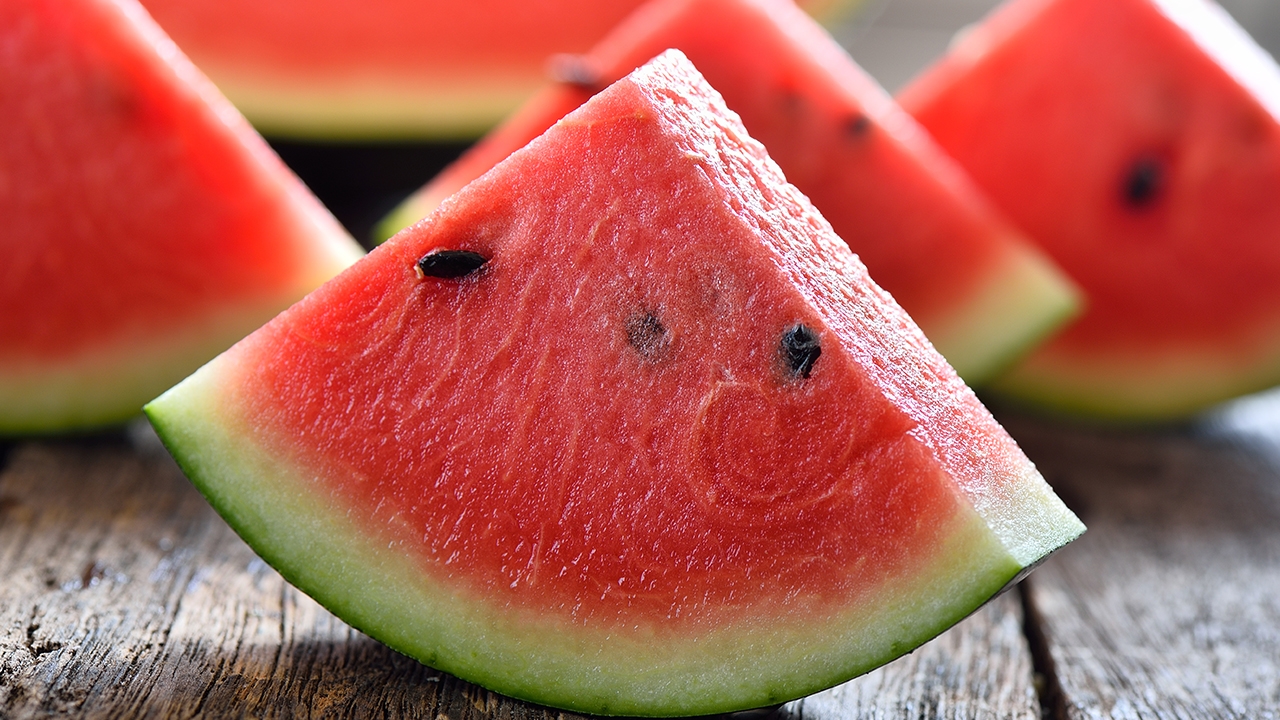
Clearing up the question for fruit lovers Watermelon seeds that people often spit out—are they edible? Discover their dense nutritional benefits, rich in protein and magnesium, along with proper digestive precautions before eating.
When sweet, juicy watermelon is sliced and served, many people automatically spit out or pick out the "watermelon seeds" because they think they are inedible or disrupt the eating experience. However, nutritionally, these tiny seeds hide far more concentrated value than expected.
In fact, watermelon seeds are safe to eat and belong to a group of high-energy seeds, similar to sunflower seeds, pumpkin seeds, or almonds.
A 28-gram portion (about a handful) of shelled, roasted watermelon seeds provides roughly 158 calories and is rich in essential nutrients the body needs, including
| Component | Key characteristics | Important nutrients |
| Watermelon flesh | Juicy, sweet, refreshing | Water (90%), lycopene, vitamin C, natural sugars |
| Watermelon seeds | Dense texture, concentrated energy | Protein, magnesium, iron, unsaturated fatty acids |
1. Supports heart health
Watermelon seeds contain magnesium and unsaturated fats that help maintain heart function and keep blood pressure within a normal range.
2. Boosts the immune system
The zinc in watermelon seeds is a crucial mineral for immune function, cell division, and wound healing processes.
3. Helps convert food into energy
Various B vitamins in watermelon seeds play a role in metabolism, aiding the conversion of nutrients into usable energy for the body.

Although watermelon seeds are full of benefits, improper consumption may cause side effects, including:
If eating fresh watermelon seeds, chew the shells thoroughly before swallowing, or better yet, boil, roast, dry, or remove the outer shell before eating to ensure better nutrient absorption and reduce digestive problems.