

Clarifying a common concern close to home. How many times can used cooking oil be reused at most? Also revealing ways to identify degraded oil to prevent harm from polar compounds and cancer, ensuring good health for the family.
Cooking at home is an activity many families enjoy, but one common practice in kitchens to save money is to reuse "used cooking oil" which, if handled improperly or reused too many times, can silently harm long-term health.
Generally, oil that has been used for frying food should not be reused more than 1-2 times, depending on the type of food fried. If frying meat with many seasonings, breaded items, or frying at high heat for long periods, the oil degrades faster. Ideally, using oil once and discarding it is the safest for health.

Repeated heating of oil at high temperatures causes chemical changes, resulting in "polar compounds" and polycyclic aromatic hydrocarbons, which are carcinogenic. Long-term accumulation of these substances in the body increases risks of cancer, hypertension, and coronary artery disease.
For the safety of everyone in the family, check if your kitchen oil shows any of these signs. If so, avoid using it again.
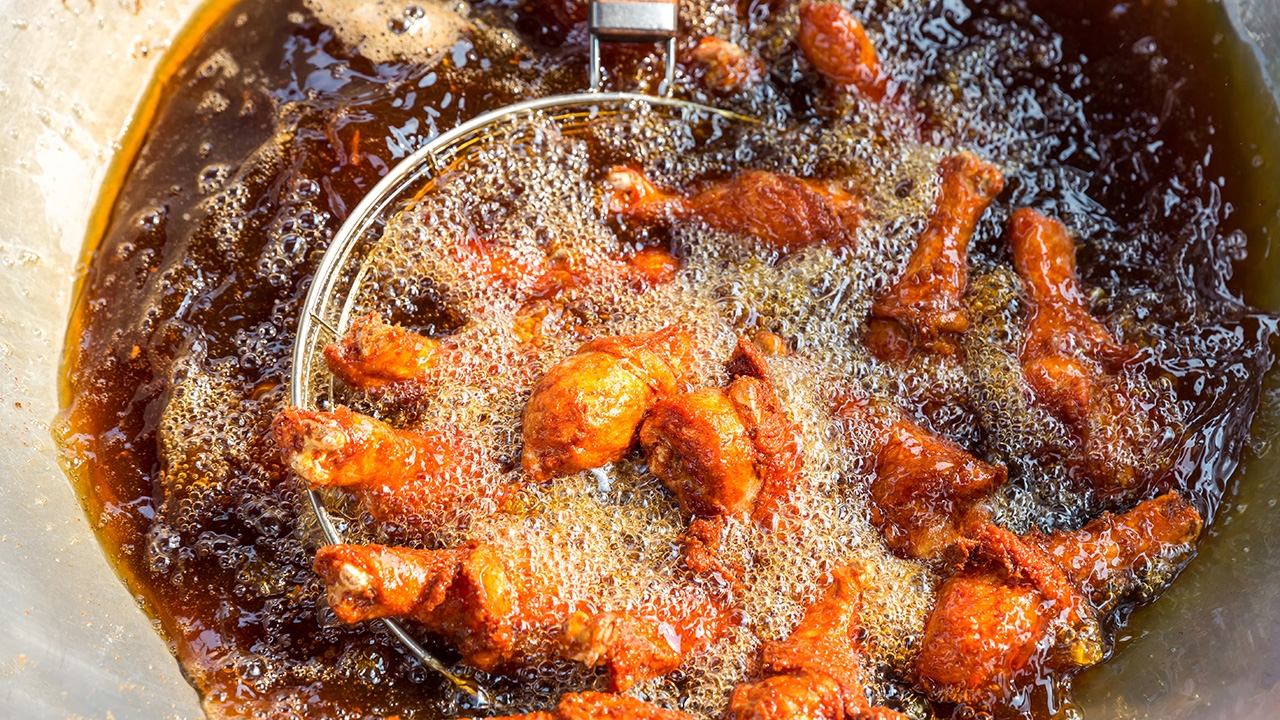
Excessive bubbling during frying. When food is fried, excessive bubbling appears more than normal.

Once oil is degraded, do not pour it directly into drains as it clogs pipes and harms the environment. Let the oil cool completely, pour it into a sealed plastic bottle, and dispose of it at hazardous waste collection points or sell it to agencies that recycle used oil into biodiesel.
Using used cooking oil may save money, but exceeding safe reuse limits is not worth the health risks. Choosing fresh oil each time or limiting reuse to 1-2 times, and regularly checking oil condition before use, helps ensure safe and hygienic meals.