

A common frustration for budget travelers is the 7-kilogram carry-on baggage limit, which seems to allow barely any items. However, airlines have hidden conditions that you can cleverly use to distribute weight and smoothly get past the scales unnoticed.
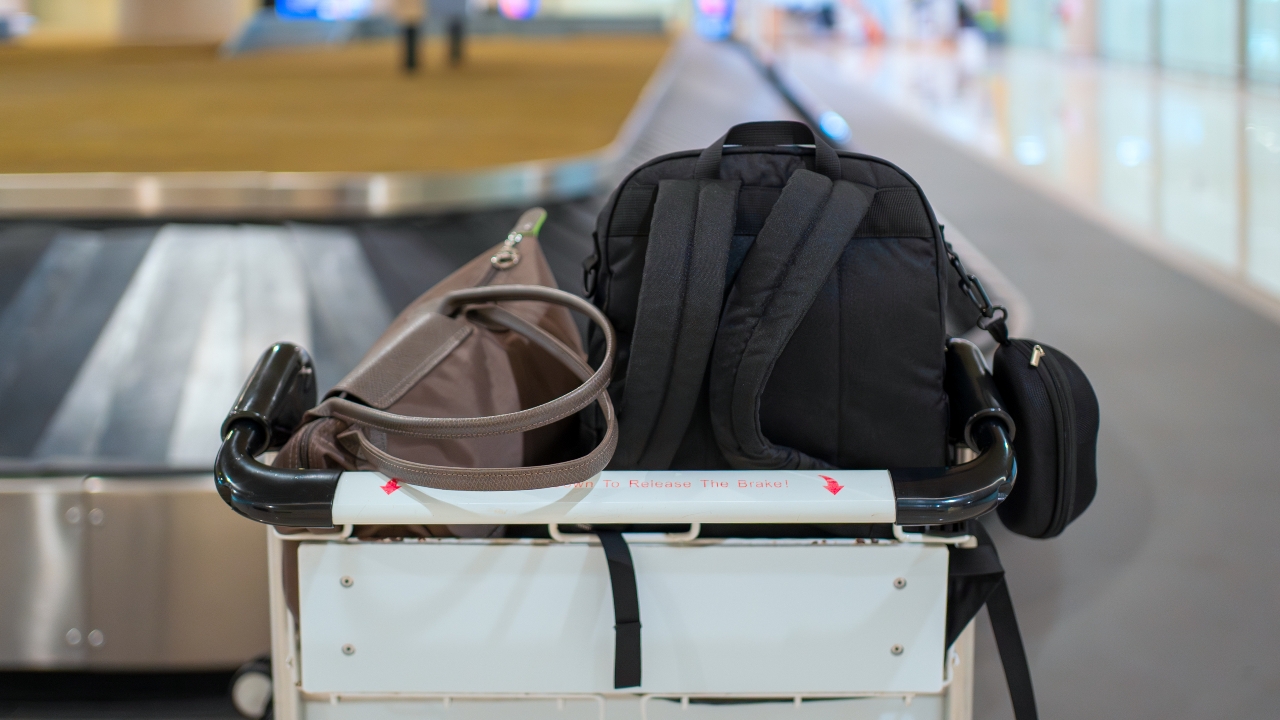
Almost all airlines allow one standard-sized carry-on bag (up to 7 kilograms) plus one personal item such as a laptop bag, shoulder bag, or small backpack. Usually, this personal item is not weighed together with the main bag. A small but effective trick is to move heavy yet small items—like laptops, cameras, power banks, or cosmetics—into this personal item to reduce the main bag's weight.
Airline scales weigh only your bags, not the passenger. So, carry your bulkiest and heaviest items on your person when going through the scale and at the gate—such as coats, jeans, or boots. If it's hot, just drape them over your arm or hold them. Once on the plane, you can stow them in the overhead compartment, freeing you from carrying heavy items in your bag.
Coats or jackets with many pockets are lifesavers. You can use the pocket space to hold heavier items.Small essentialslike charging cables,glasses,mini personal care items, or even a foldable umbrella. This method not only reduces scale weight but also keeps important items within easy reach during your flight without rummaging through your bag.
Many travelers get stuck because hard-shell rolling suitcases alone weigh 2 to 3 kilograms empty, leaving only about 4 kilograms for actual items. If you tend to pack a lot, switching to a lightweight backpack or soft duffel bag can reclaim space and weight allowance, letting you pack much more.
If you buy items in the duty-free zone after passing security, those duty-free bags are often exempt from the initial 7-kilogram allowance. However, these items must be reasonably sized and not obstruct passageways. This small loophole lets you carry extra snacks or souvenirs onboard.
Packing to sneak past the scale isn’t just about folding clothes as small as possible; it’s an art of managing space and fully understanding airline rules.