

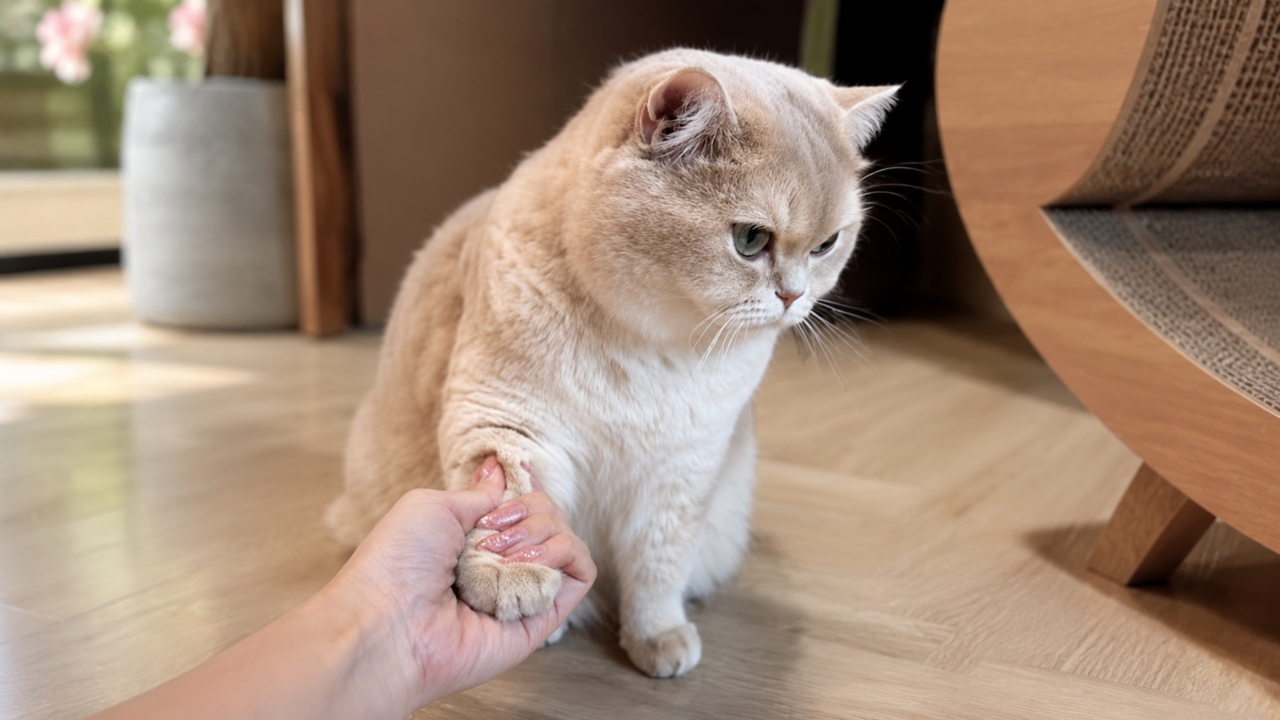
Many cat owners have likely experienced moments when their once-affectionate cat that used to follow them around or cuddle suddenly becomes distant—ignoring calls, walking away, or quietly hiding—making them wonder, "Is my cat upset with me? " ."
Although animal behaviorists do not definitively conclude that cats feel "upset" or "resentful" like humans do, sudden behavioral changes may be a cat's way of signaling stress, fear, discomfort, or a desire to avoid interaction at that moment. Owners should observe body language and other behaviors carefully. Check these 5 ways to recognize if your cat is upset or feeling neglected—signs that owners might easily overlook. Even though cats cannot speak, their behaviors and body language can reveal discomfort, stress, or dissatisfaction with something. If a previously affectionate cat suddenly changes, owners should watch carefully for these behaviors. 1. From clingy to walking away, avoiding closeness. A cat that used to come when called but now ignores you and walks away may be stressed or uncomfortable. If your cat tries to avoid contact, do not force hugs, pick-ups, or interaction. Instead, give them personal space to calm down and wait for them to come back on their own.
Hiding under the bed, inside boxes, or in quiet corners might look like your cat is "upset and running away to hide," but actually, hiding is a common coping behavior when cats feel stressed, scared, or uneasy. If hiding lasts unusually long, accompanied by loss of appetite or changes in elimination, consult a veterinarian to find the cause.

Cats may show displeasure through body language such as sharp tail flicks, ears turned sideways or back, and dilated pupils. These signals indicate the cat is alert, uncomfortable, or overstimulated by play or touch. If noticed during petting or play, stop and give space to avoid provoking hissing, swatting, or biting.
A sweet cat suddenly becoming aggressive—hissing or preparing to swat at the slightest touch—should not be assumed to be merely "upset." Aggression may stem from fear, stress, overstimulation, or physical pain. Do not scold or punish; instead, give distance and monitor, as punishment can increase fear.

Not responding to calls or favorite toys, and going from playful to inactive, may indicate something is wrong. Especially if the change is sudden and accompanied by lethargy, appetite loss, hiding, or refusal to be touched.
How to respond when your cat is "upset" and help restore their good mood.
When you notice your cat distancing itself, it's important not to force hugs, picks, or persistent attention. Provide personal space and create a quiet area where the cat can retreat. Then gradually build positive experiences through play, treats, or gentle touch that the cat initiates.
Also, observe if any changes occurred before the behavior shift, such as a new pet, moving, furniture changes, guests, or loud noises, as environmental and routine changes can cause stress.

Behaviors like walking away, hiding, tail flicking, refusing to be touched, or ignoring play might look like your cat is "upset" or resentful, but these can result from stress, fear, overstimulation, or illness.
Cat owners should note how much the behavior deviates from normal. If changes are sudden, persistent, or accompanied by other symptoms such as loss of appetite, lethargy, altered elimination, or pain when touched, a veterinary checkup is needed. Do not assume it will just pass on its own.
Read related articles
Discover 5 reasons "Why cats knead"—the adorable behavior's background is more than just affection for their owners.
