

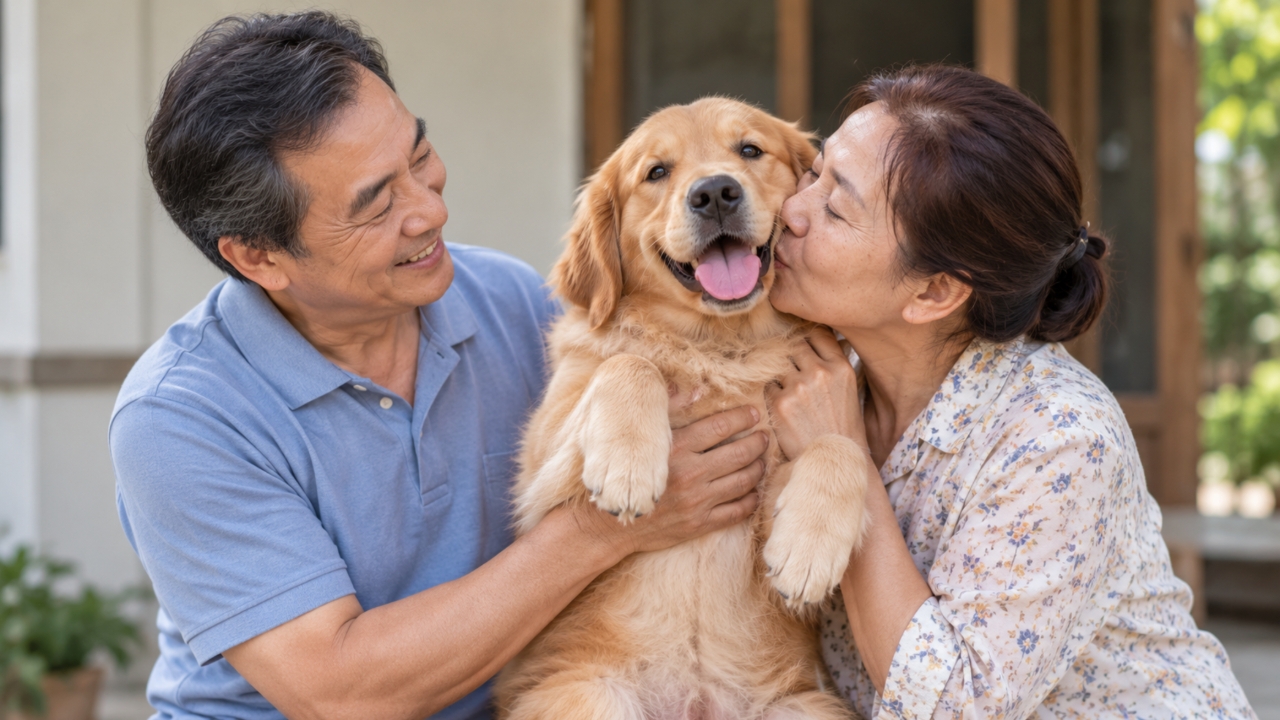
Many households have likely experienced a similar situation: when a child asks to keep a dog or cat, the parents quickly say, " We won’t keep one. If you bring one home, you have to take care of it yourself." But before long, it turns out that the parents themselves are the ones who feed, open doors for, take out for walks, or check on the four-legged pet first.
This is not just because the animals are cute; the relationship between humans and animals can gradually develop through shared daily life and interaction, until the pet becomes an important family member.
Saying "no pets" does not necessarily mean disliking animals, but rather reflects concerns about the burdens involved — food costs, medical expenses, cleanliness, time, and long-term responsibility. Especially the worry that eventually they might have to become the primary caregivers instead of the children. However, feelings before having a pet at home and after living together daily can differ, as attachment can develop over time.

From being newcomers in the home, dogs or cats gradually integrate into daily routines — waiting at waking time, sitting nearby, or greeting when someone returns home. This slowly builds mutual attachment, and spending time together as a family in everyday life helps people and animals become closer and more bonded.
Feeding, refilling water, walking, and watching for any signs of illness create repeated interactions between people and pets. It is no surprise that parents who initially only intended to "help watch" become the ones who know best when the pet is hungry, what it likes, or what it needs.
The relationship is not one-sided. Dogs and cats respond with behaviors like approaching, sitting close, asking for petting, cuddling, or showing excitement when familiar people come home. Especially for elderly parents who spend most of their time at home, pets help alleviate loneliness.

The longer they live together, many people no longer see dogs or cats as just animals they keep, but as family members. Owners often begin to view themselves in roles similar to parents or caregivers. What was once "the child’s dog" or "the cat the child brought home" gradually becomes "Dad’s child" or "Mom’s child" without realizing it.
Another reason is that pets serve as daily companions. Simply following along, sitting nearby, or greeting when someone returns home gives a sense of sharing life with another living being. This is especially true for parents who spend more time with the pet than with other family members. This familiarity can deepen attachment, so that when the pet is not around, the house feels instantly quieter.
The bond between people and pets does not arise solely from cuteness, but gradually builds through daily life together — feeding, walking, caring when ill, or simply having a little one following and sitting beside on ordinary days. Over time, what was once seen as an "added burden" unknowingly becomes an important family member.
In the end, the initial statement "If you want to keep one, you take care of it; we won’t get involved" may slowly change to "Have you eaten today?" "Why haven’t you come home yet?" or even searching the whole house asking, "Where has Dad’s child gone?" Perhaps this simple shift explains why those who once said "no pets" become the ones who love dogs and cats the most in the home.