

Unexpected overnight power outages can happen without warning. Here’s how to handle them and a checklist of emergency bag items that will help you get through this crisis safely.
When the electricity suddenly cuts out, the first thing to do is check whether the outage affects only your home or a wider area in the community. If it’s a widespread issue beyond your control, promptly unplug large electrical appliances such as air conditioners, televisions, and microwaves.
Unplugging these devices helps prevent damage from power surges when electricity is restored. Afterwards, use your smartphone to check news updates or report the outage through the Metropolitan Electricity Authority or Provincial Electricity Authority apps to assess the situation and plan your next steps.

Refrigerators are among the most affected appliances during prolonged outages. The first rule is to avoid opening the fridge unnecessarily to prevent cold air from escaping. Normally, a closed refrigerator can retain cold temperatures for about 4 hours.
A fully stocked freezer can keep food cold for up to 48 hours, while a half-full freezer maintains temperature for about 24 hours. You can place ice packs or frozen gel packs on the top shelf to help distribute cold air downwards.
In the initial hours, prioritize consuming perishable foods like milk or fresh meat. If the outage extends beyond 12 hours, carefully check the color and smell of food; discard anything with the slightest abnormality to avoid food poisoning.
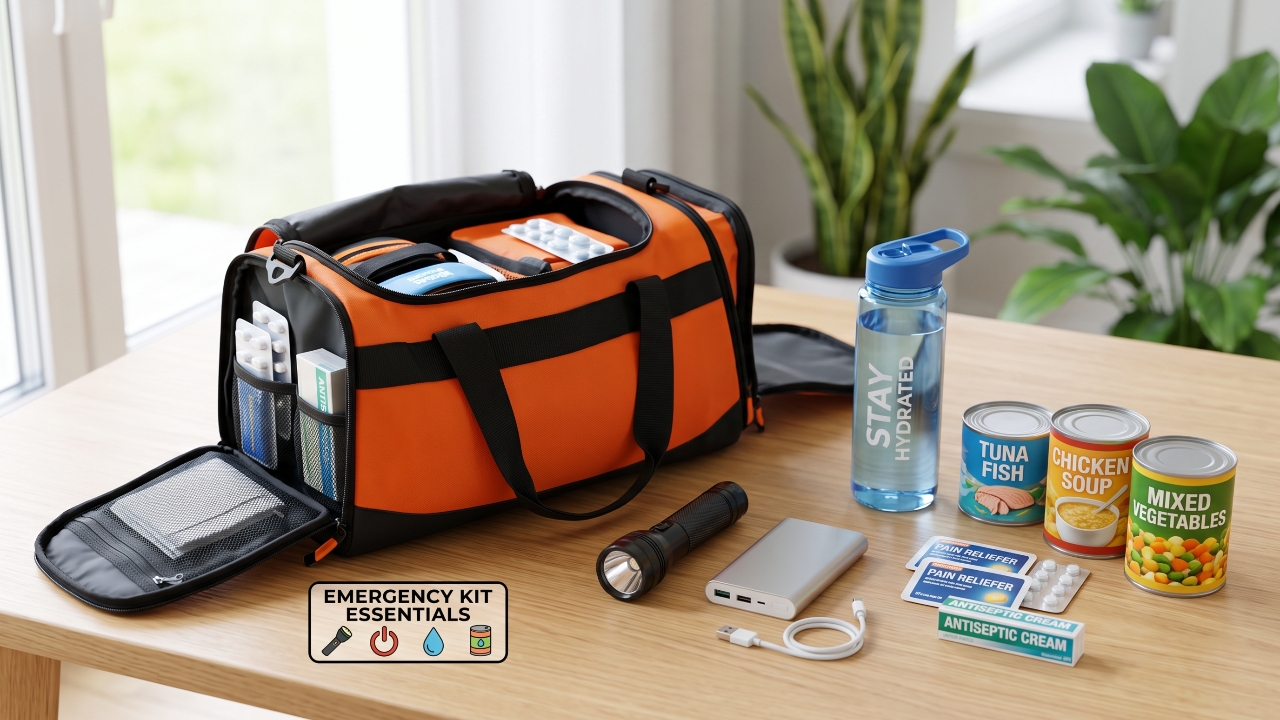
Having an emergency bag ready to grab immediately is key to survival. Check if you have packed these essentials at home.
1. LED flashlight and spare batteries. Provides safer and brighter light than candles. Keep enough batteries to last 2-3 days.
2. Power bank. Should have a capacity of 10,000–20,000 mAh or more, and always keep it fully charged.
3. Clean drinking water. Store enough water—at least 2-3 liters per person per day.
4. Dry food and canned goods. Choose items ready to eat without heating, like canned fish or biscuits, and don’t forget a can opener.
5. Common medicines and personal prescriptions. Prepare fever reducers, painkillers, electrolytes, and medications for chronic conditions sufficient for 3–7 days.
6. Battery-powered portable radio. An important device to receive official announcements if mobile signals and internet are down.
7. Cash and important documents. Keep copies of documents and cash in a waterproof pouch because payment systems and ATMs won’t work during outages.
In complete darkness, many think of lighting candles, but fire safety is critical. Place candles away from curtains or paper stacks and always extinguish them when leaving the room. It’s safest to use flashlights or LED lanterns instead.
Also, never operate backup generators inside the house or enclosed spaces because exhaust fumes contain colorless, odorless carbon monoxide gas that is lethal. Generators should be installed and run only outdoors in well-ventilated areas.
Long power outages may seem distant but often disrupt daily life. Proper preparation reduces damage and helps your family safely get through such emergencies. Take time this weekend to review your emergency bag to ensure you’re ready for any crisis.