

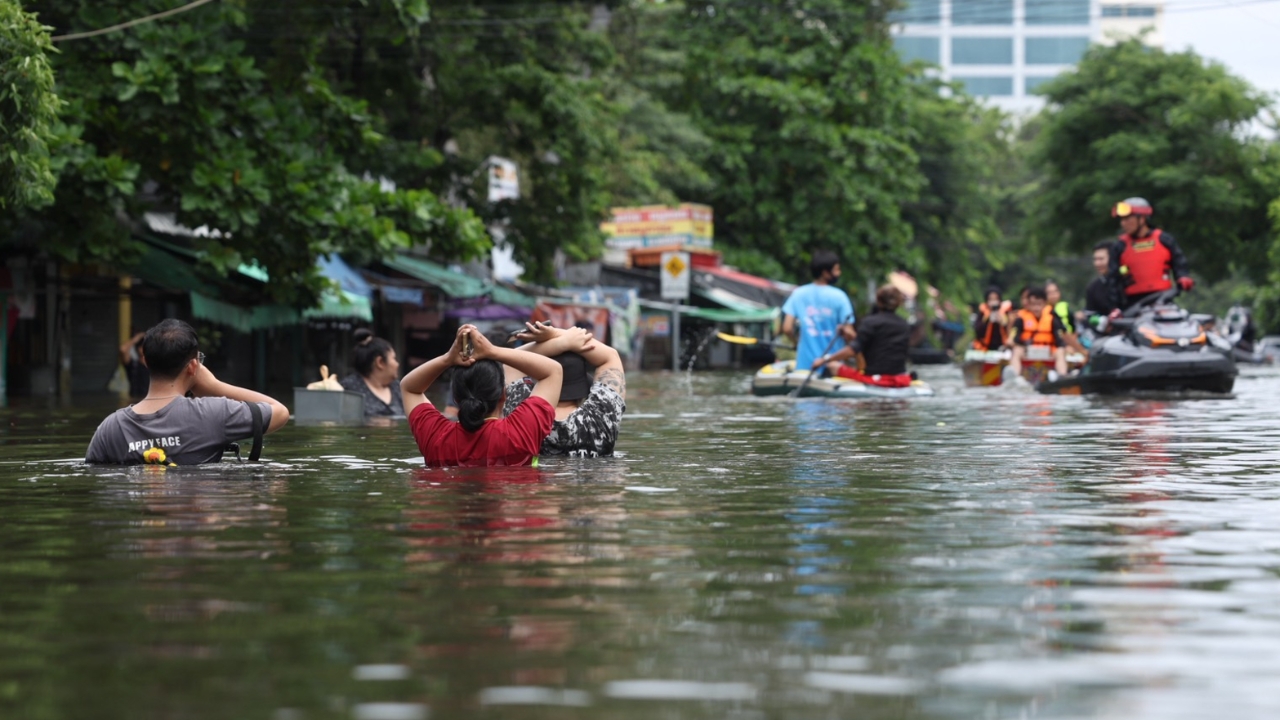
The 2026 flooding situation has made many areas vulnerable to leptospirosis, a severe and potentially fatal disease, leading many flood victims to seek leptospirosis prevention medication for self-administration.
Although many have purchased the medication in advance, medical facts indicate that this medicine cannot fully prevent the disease. Correct use must consider risk groups, necessity, and individual precautions to ensure maximum safety.
The 2026 stagnant flood crisis comes with the risk of leptospirosis, caused by bacteria found in animal urine, especially rodents, contaminating floodwaters and muddy soil. The bacteria can enter the body through wounds, scratches, and mucous membranes such as the eyes, nose, and mouth.
Concern has sparked a trend of buying leptospirosis prevention medication in advance, but before deciding to self-medicate, it is essential to understand the correct medical facts.
The leptospirosis prevention drug used is the antibiotic doxycycline. The Department of Disease Control, Ministry of Public Health, states that this drug helps reduce the risk and severity of the disease but cannot prevent it 100% because it does not build immunity like a vaccine. It only suppresses or kills bacteria entering the body in small amounts to prevent severe symptoms.

Thus, this medication is not a miracle cure, and those walking through floodwaters must still exercise strict caution and self-protection.
Medical personnel emphasize that not everyone wading through water needs this medication. Taking antibiotics unnecessarily can harm the body and increase the risk of future antibiotic resistance.
Target groups | Risk levels | Recommendations for leptospirosis prevention drug use |
Rescue workers / officials | Very high risk (continuous immersion in floodwater over 2 hours) | Should take preventive medication as directed by doctors or health officials. |
General public exposed to floodwaters for prolonged periods | High risk (open wounds and immersion over 1 hour) | Should consult doctors or pharmacists to evaluate medication need. |
General public | Low risk (brief exposure entering and leaving homes) | No medication needed; focus on wearing boots and cleaning feet immediately. |
If assessed as high risk and advised by medical personnel, take the medication as follows.
Although doxycycline helps prevent leptospirosis, there are critical limitations to consider.

Although doxycycline helps reduce leptospirosis risk for those working in floodwaters for long periods, it is not a miracle drug that guarantees full prevention.
Proper self-care is the best protection: wear protective gear before entering water and bathe immediately after leaving floodwaters.
If warning signs appear, such as high fever, calf muscle pain, red eyes, or severe headache, promptly see a doctor and inform them of floodwater exposure for timely treatment.