

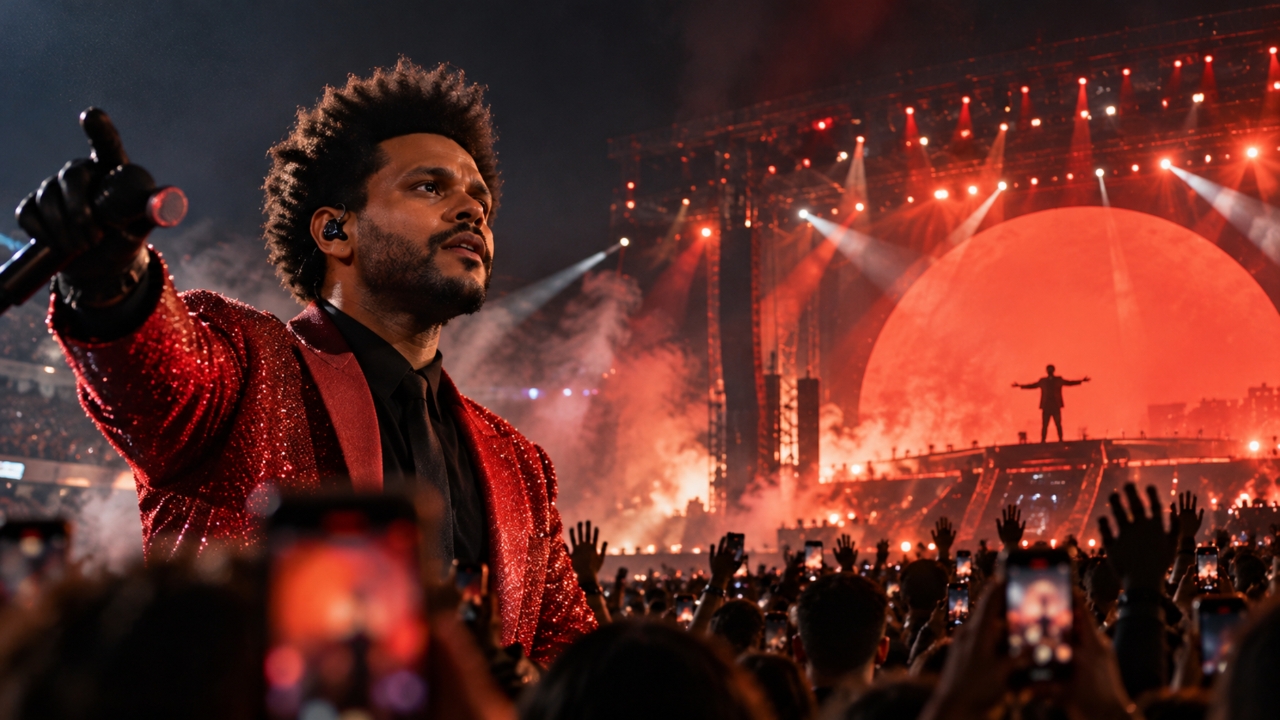
Have you ever waited months for your favorite artist's concert, then on the day sang at the top of your lungs, jumped until exhausted, and enjoyed every moment? But when the concert ends, you feel an indescribable emptiness. Looking back at photos or videos only makes you miss that atmosphere more. Some even feel sad, lonely, or reluctant to return to everyday life.
These feelings are often called Post-Concert Depression (PCD), or post-concert sadness. This term is used by fans to describe the melancholy after a joyful, long-awaited experience. But why can moments filled with happy memories also bring such sadness afterward?
Post-Concert Depression (PCD) is an informal term for feelings of sadness, loneliness, emptiness, or heartache following attendance at a concert, especially of a favorite artist anticipated for a long time. Despite the word "Depression," this feeling is not a clinical illness or psychiatric condition, and those who feel down afterward are not necessarily depressed.
The feeling of Post-Concert Depression can arise after meaningful emotional experiences such as seeing a favorite artist live for the first time, hearing beloved songs performed live, or enjoying the company of thousands of fellow fans. When the concert ends and normal life resumes, the contrast between the excitement of the event and everyday routine can make some feel empty, as if something is missing.

Post-concert sadness has multiple causes, explained by psychological mechanisms and bodily responses, including:
During a concert, the brain's systems related to happiness, motivation, and reward are active, involving neurotransmitters like dopamine. When the concert ends, the stimuli causing excitement disappear, so returning to daily routines may feel dull or less interesting compared to those moments.
For some fans, happiness begins not just on the concert day but from the moment they secure tickets, plan travel, choose outfits, or count down to the event. Having something to look forward to gives daily life purpose. When the big day passes, that goal ends too, so it's common to feel empty or wonder, "What should I look forward to now?"
Concerts are not just about music but also about sharing joy with others who love the same artist—singing and cheering together creates bonds and a sense of belonging. When it ends, some miss not only the artist but also the atmosphere, fun, and people who made those memories together.
After a concert, many watch videos, listen to songs, or review photos to revisit that happiness. This feeling relates to nostalgia, which warms us with happy memories but can also bring sadness because that time is gone. It's common for concert clips to evoke both smiles and tears simultaneously.
Concerts may involve long travel, standing for hours, insufficient rest, and expending energy singing and dancing fully. Physical tiredness and lack of sleep can influence mood, causing irritability, sensitivity, or sadness. Thus, post-concert blues may stem not only from missing the event but also from physical fatigue.
Each fan's feelings vary, but common symptoms include:

Research from"Let the Music Play: Live Music Fosters Collective Effervescence and Leads to Lasting Positive Outcomes"studied 789 participants and found that musical experiences and concert attendance make people feel connected with others, relating to happiness and a sense of life's meaning.
Many reported positive feelings lasting up to a week after the concert. This means concerts do not leave only longing but also create memories and positive feelings that stay longer than expected.
However, Post-Concert Depression is a term describing some fans’ feelings of not being ready to say goodbye to happy times. Even though the music stops and stage lights go off, those experiences remain part of memories that bring a smile whenever recalled.