

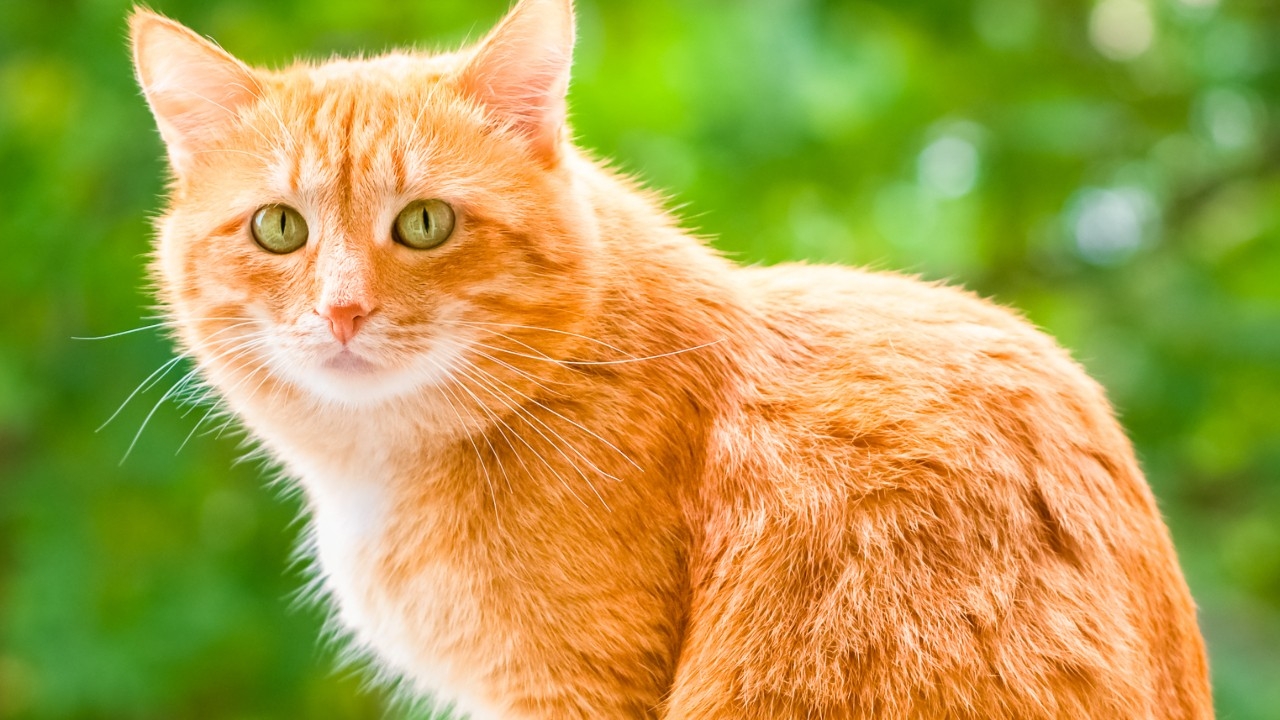
Who says pets don't experience stress? In fact, both dogs and cats can face stress, anxiety, and emotional changes just like humans. Although they can't verbally express their feelings, certain behaviors may indicate they are uncomfortable or have underlying health issues.
Pets can indeed experience stress, fear, and anxiety. Various triggers include moving to a new home, changes in daily routines, loss of a companion pet, lack of mental stimulation, or unsuitable environments.
. Signs of depression in pets This term often refers to changes in behavior where dogs or cats become lethargic, lose interest in their surroundings, or reduce interaction with their owners. However, there is currently no diagnostic criteria for depression in dogs and cats equivalent to human depression.
Therefore, when a pet shows behavioral changes, it should not be immediately attributed to emotional problems, as these signs might stem from pain, chronic illness, or physical abnormalities.

A dog or cat that was once lively and affectionate may start hiding, avoiding contact, or seeking solitude, such as a cat spending time under the bed or in quiet spots. However, sudden withdrawal might also indicate illness, so a health check is advised.
Stress can cause pets to eat less, refuse favorite treats, or alter their eating behavior. Yet, loss of appetite can also result from dental issues, digestive problems, or other diseases. Particularly in cats, prolonged refusal to eat requires prompt attention.
If a normally active pet sleeps more, moves less, or shows disinterest in its surroundings, this may signal a problem. Age, breed, and typical behavior should be considered, as lethargy often relates more to illness or pain than stress.

Dogs that once got excited about walks or cats that loved chasing toys may noticeably lose interest. This can be linked to stress, fear, or lack of proper stimulation. If the pet is unwilling to move, check for joint, muscle pain, or other health issues.
Stress and anxiety can lead to repetitive behaviors like frequent licking of fur or paws, sometimes causing hair loss or skin inflammation. Conversely, some cats may groom themselves less. These signs might also result from skin diseases, itching, or pain, so a vet's examination is important.
A previously friendly pet might start growling, biting, snapping, or resisting touch, while others may bark, howl, or meow more frequently, especially in fearful or uncomfortable situations. These changes may relate to stress but also to pain, which can cause aggression.
A stressed dog may pace, pant without exercise, or be unable to stay still. Some cats might start urinating outside the litter box. These behaviors may stem from fear or anxiety but could also indicate urinary tract diseases or other health problems. Pets should not be scolded or punished without investigating the cause.

If you notice behavioral changes in your pet, owners can start care with these steps.
Create a safe space for your pet.
Provide a quiet resting area away from loud noises and distractions, without forcing them to interact with people.
Maintain a consistent routine.
Set regular times for feeding, playing, and resting each day to minimize changes that might trigger stress.
Increase appropriate activities.
Take dogs for walks to sniff around, or use toys to encourage cats to exercise and express natural behaviors.
Give attention without pressure.
Spend time with your pet as they choose to approach, avoiding punishment or angry reactions.
Observe and record behaviors.
Note when abnormalities occur, possible triggers, and frequency to help veterinarians assess the situation.

Pets can experience stress and emotional difficulties. Although they cannot verbally express their feelings, behavioral changes may be key signals. Owners should carefully observe these changes, maintain a suitable environment, and consult a veterinarian if concerning symptoms arise to support their pet’s physical and mental health.