

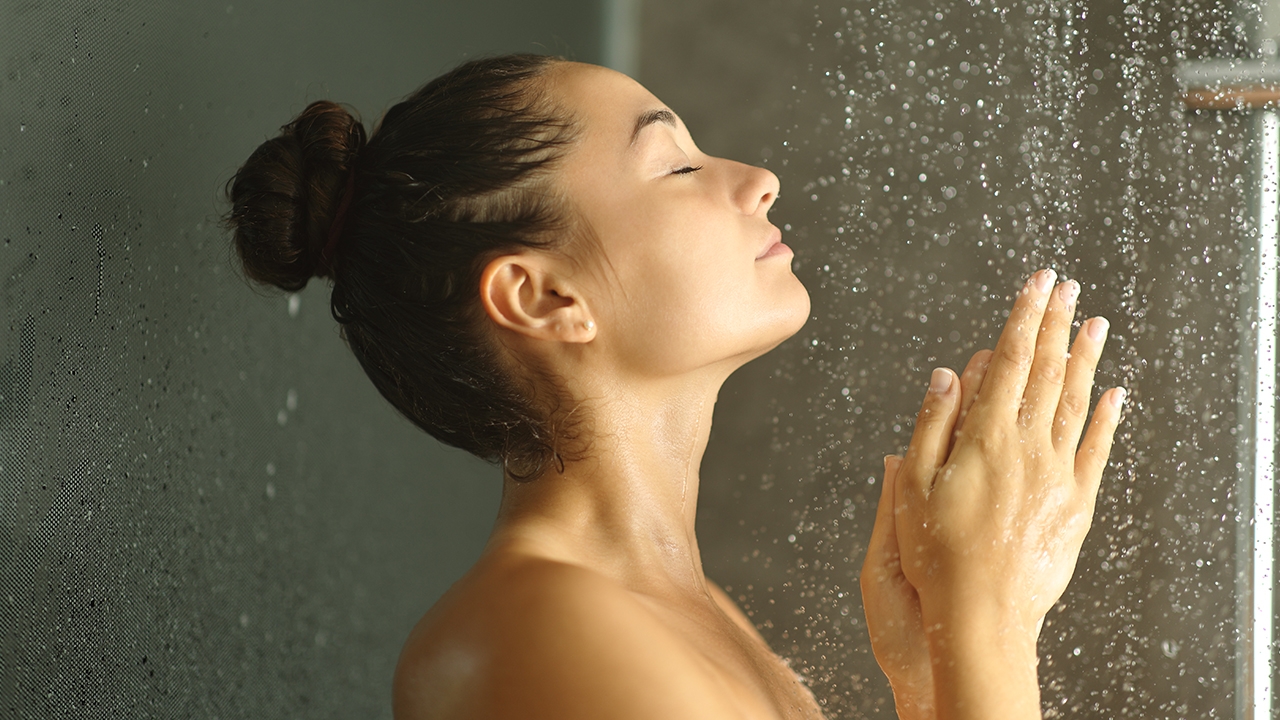
Have you ever wondered which is healthier between taking warm showers and cold showers? The temperature of the water we use daily may affect the body differently, influencing muscle relaxation, sleep quality, alertness, and skin health.
Let's explore the benefits and precautions of both warm and cold showers, along with advice on choosing the right water temperature for your body and time of day, so that your daily shower can do more than just cleanse—it can also support your health.
Taking a warm shower, especially in the evening or before bed, helps the body relax, with benefits including:
Warm water helps ease muscles tense from work or exercise, relieving soreness and reducing fatigue.
Taking a warm shower about 1-2 hours before bedtime can promote easier sleep because the body gradually releases heat afterward, lowering body temperature.
Steam from a warm shower adds moisture to the airways, potentially easing breathing when suffering from nasal congestion due to colds or allergies.
Precautions for warm showers
Avoid using very hot water or showering too long, as it can strip natural skin oils that protect the skin, causing dryness, peeling, irritation, or itchiness.

Although many dislike cold showers, especially in cold weather, exposure to cold water at appropriate times also offers benefits.
When exposed to cold water, the body responds with faster, deeper breathing and a temporary heart rate increase, making you feel alert and energized—ideal for morning showers to start the day.
Cold water immersion is favored by some athletes after intense training to help reduce muscle pain.
Cold water preserves natural skin oils and helps tighten pores and hair cuticles, leaving skin firm and hair shiny.
Precautions for cold showers
People with heart or circulatory problems or those with fever should avoid very cold showers, as their bodies may shock or fail to adjust temperature quickly enough.
The answer is that no single water temperature is best for everyone. Both warm and cold showers have different benefits depending on your physical condition, needs, and the time of day.
If you want to relax muscles, reduce tension, and prepare your body for rest, a warm shower in the evening or 1-2 hours before bed is a good option.
But if you seek refreshment and stimulation to wake up in the morning, a cold shower at a tolerable temperature is another choice.
Besides choosing the right water temperature, remember to care for your skin after showering by applying lotion or moisturizer while your skin is still damp, ideally within 3-5 minutes, to lock in moisture and prevent dryness.
Ultimately, whether you choose warm or cold showers, the important thing is selecting a temperature that suits your body—not too hot or cold—and showering appropriately to gain health benefits every day.