

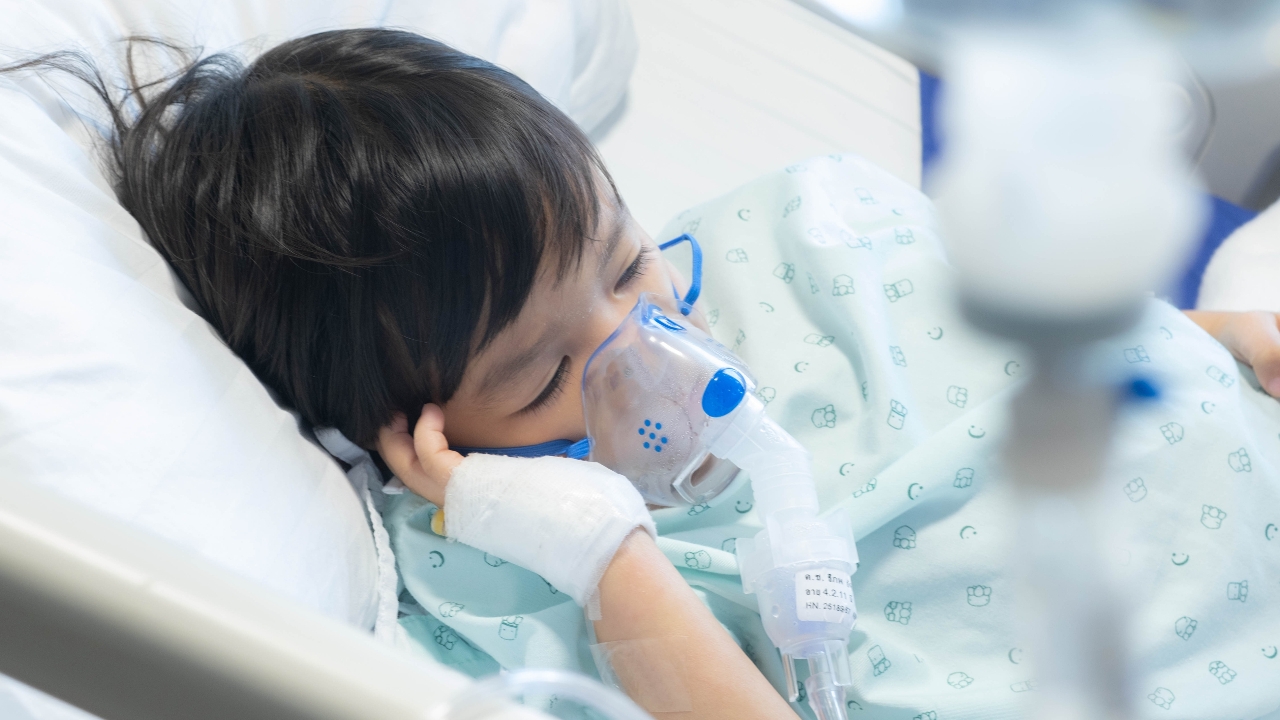
Parents must not neglect this! Understand RSV virus in children, a common contagious respiratory illness. Check symptoms that differ from a common cold and warning signs requiring immediate hospital care.
Parents should be cautious of RSV virus in young children, which spreads heavily during the rainy and cold seasons. Early symptoms resemble a cold but can escalate to pneumonia. Watch for danger signs needing prompt medical attention before it's too late.
RSV, or Respiratory Syncytial Virus, causes respiratory infections in both children and adults, but it is most common in young children under 5 years old, whose immune systems are not fully developed and who easily get exposed to the virus at schools or daycare centers.
This virus typically spreads heavily at the end of the rainy season and start of winter—times of weather changes or school openings. Although initial symptoms resemble a common cold, some children may develop severe complications like bronchitis, pneumonia, or breathing difficulties that can be life-threatening.
Dr. Maninthorn Wannarat, a pediatric respiratory specialist at Vejthani International Hospital, explained that RSV infection occurs through contact with secretions from an infected person, such as mucus, saliva, or phlegm. These can spread via coughing, sneezing, or direct touch. The virus enters through the eyes, nose, or mouth, or when children touch contaminated objects or surfaces and then touch their face.

Young children are more vulnerable because they often share items like toys, cups, utensils, or towels. RSV is resilient and can survive on surfaces for hours, enabling rapid spread in schools, daycare centers, or households—especially when school-aged siblings bring the virus home to younger children. Infected individuals can transmit RSV for about 3 to 8 days.
At the initial infection stage, RSV symptoms closely resemble those of a common cold, making early detection difficult for parents. Common symptoms include:
Especially in young children who cannot effectively blow their nose or expel mucus, mucus buildup can cause breathing difficulties and worsen symptoms.
| Key points of distinction | Common cold | RSV infection |
| Affected areas | Typically affects the upper respiratory tract, such as nose and throat | Can progress to lower respiratory tract, including bronchi and lungs |
| Prominent symptoms | Fever, cough, sneezing, runny nose | Excessive mucus, severe cough, wheezing, or labored breathing |
| Complications | Rarely causes severe complications | May cause bronchitis, bronchiolitis, or pneumonia in some cases |
If parents notice their child has cold-like symptoms but with increased mucus or abnormal signs below, do not delay seeking medical care. These may indicate the infection has spread to the lower airways or caused complications like bronchitis, bronchiolitis, or pneumonia.
While any child can contract RSV, certain groups are at greater risk for severe illness or complications and should be closely observed by caregivers. These include:
Diagnosis involves evaluating symptoms, physical examination, and sometimes testing nasal secretions via swabs or rapid RSV tests. In some cases, flu and COVID-19 tests may be done simultaneously. If severe symptoms or suspected pneumonia occur, chest X-rays may be performed to guide treatment.
Currently, no specific antiviral treatment for RSV exists. Doctors focus on symptom relief and respiratory support, including:
For children with thick mucus, wheezing, or breathing difficulties, doctors may use bronchodilator inhalers, saline nebulization, oxygen therapy, chest physiotherapy, or mucus suctioning. Severe cases may require hospitalization or intensive care, as practiced at Vejthani International Hospital’s Pediatric Center, which emphasizes individualized assessment of breathing, mucus, severity, and risk factors to provide optimal care.
The best prevention starts with daily hygiene habits. Parents and caregivers can help children by:

Additionally, for certain high-risk children, doctors may consider providing passive immunity via monoclonal antibodies to reduce infection risk or severity, based on age, health status, and clinical judgment.