

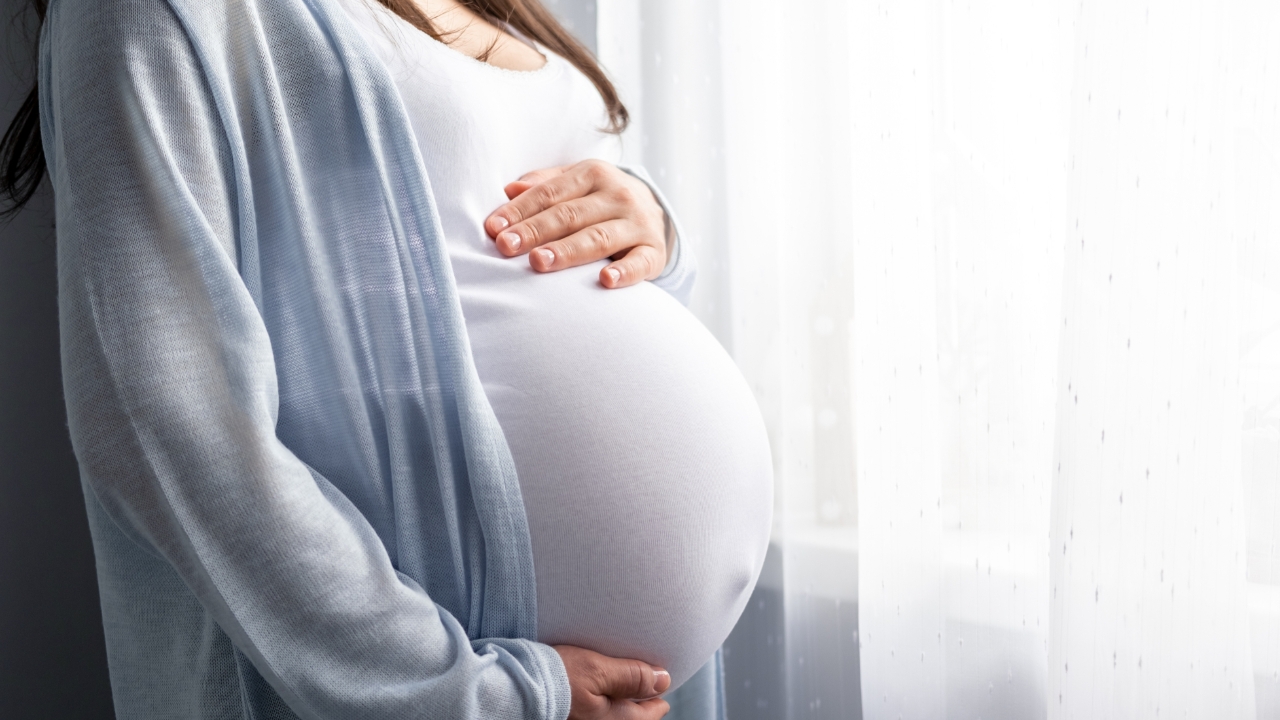
RSV remains active with over 8,000 cumulative cases, more than half in children under five; pregnant women are advised to ask doctors about ways to build immunity for their babies before birth to protect them.
The Epidemiology Division of the Department of Disease Control reports that RSV infections continue to occur annually, causing respiratory infections in young children. From 1 January to 8 September 2026, 8,578 cases have been recorded. Three-quarters of these patients are under five years old, with one death reported—a two-month-old premature infant.
Respiratory Syncytial Virus (RSV) is a virus causing respiratory tract infections, transmitted through droplets from coughing or sneezing, as well as contact with contaminated secretions or objects. Early symptoms may resemble those of a common cold.
These include fever, coughing, sneezing, and a runny nose. However, in young children, especially infants, symptoms can worsen to bronchiolitis or pneumonia, causing severe coughing, rapid breathing, wheezing, reduced feeding, or lethargy. If these abnormal symptoms appear, children should be taken to a doctor promptly.

RSV is the second leading cause of child deaths worldwide after malaria.
Associate Professor Dr. Sawitree Pranpanas, Head of Maternal and Fetal Medicine at the Department of Obstetrics and Gynecology, Faculty of Medicine, Prince of Songkla University, and Chair of the Subcommittee on Professional Standards and Guidelines for Vaccination in Pregnant Women at the Royal College of Obstetricians and Gynaecologists of Thailand, stated that RSV is a significant illness in infants, especially during the first six months of life when immunity is low. RSV causes lower respiratory infections leading to hospitalizations and severe respiratory complications.
RSV infections often cause bronchiolitis or pneumonia, sometimes requiring ICU care, particularly in children under one year old. Globally, RSV outbreaks occur annually. The World Health Organization reports over 33 million hospitalizations yearly among children worldwide due to RSV and approximately 100,000 child deaths annually, half of whom are under six months old. Hence, the first six months of life are especially vulnerable to RSV infection.
"Looking at causes of child deaths, RSV ranks second after malaria. In Thailand, the infection rate leading to death is about 1.75%."
Besides children's immature immune systems compared to adults, their smaller airways can swell and fill with mucus during infection, obstructing breathing. Young children may not clearly show symptoms until they develop severe breathing difficulty, oxygen deprivation, or respiratory failure.
Dr. Sawitree, representing the Royal College of Obstetricians and Gynaecologists of Thailand, said that infants under one year are the vulnerable group, with mothers being their closest contacts. Since newborns have incomplete immunity, boosting their immunity starts with vaccinating pregnant women. The vaccine stimulates the mother's immune response, which passes antibodies through the placenta to the fetus. Thus, newborns have protective immunity at birth, reducing infection risk.
When asked about the RSV outbreak period, Dr. Sawitree said it occurs during the rainy season from June to November. However, the Royal College recommends vaccination year-round because infections can occur anytime, though incidence peaks during outbreak seasons.
Dr. Sawitree also noted long-term effects of RSV infection in infants aged six months to one year. Beyond short-term illness, RSV increases the risk of chronic airway hypersensitivity, leading to persistent coughing and wheezing resembling asthma, which may persist into adulthood.

Dr. Weerawat Manosuthi, senior medical officer and spokesperson for the Department of Disease Control, Ministry of Public Health, added that RSV cases have been rising since August 2026, marking the peak season in Thailand. This increase is likely related to the rainy season, which is known to coincide with RSV outbreaks. Most patients are children, split into two groups.
The first group is children under four years old, the largest affected group, followed by children aged five to nine, and then adults over 60 years old. Many young children, especially under two, experience severe illness requiring hospitalization.
Another group affected by RSV includes adults aged 60 and above. Regarding treatment, the Department of Disease Control spokesperson stated there is currently no specific antiviral for RSV, unlike influenza or COVID-19.
Therefore, treatment is symptomatic and supportive. For prevention, medical technology now offers vaccination for pregnant women. Obstetricians provide guidance on RSV vaccination to expectant mothers.
"This vaccine stimulates maternal immunity to fight RSV infection, which then transfers antibodies to the fetus through the placenta. Consequently, newborns, especially in the first six months when their airways and immunity are immature, receive protection from the mother's vaccine-induced immunity, reducing RSV severity."
To reassure mothers and protect infants, it is recommended that pregnant women consult their obstetricians about RSV and appropriate preventive measures for themselves and their babies. Information can be sought during pregnancy, including optimal timing for vaccination, duration of antibody transfer to the fetus, and vaccination planning per medical advice.
The Royal College of Obstetricians and Gynaecologists of Thailand emphasizes counseling on immunity enhancement through vaccination as part of prenatal care. This includes discussing benefits, side effects, adverse reactions, costs, reviewing vaccination history, underlying diseases, and drug allergies. Early dialogue with healthcare providers helps families make informed decisions and plan appropriate care for mother and child.
Amid rising RSV cases, protecting infants requires multiple measures: good family hygiene, minimizing exposure to the virus, monitoring for abnormal symptoms, and consulting doctors about suitable immunity-building options for mother and baby. A simple question during prenatal visits can initiate planning for a child's care even before birth.