

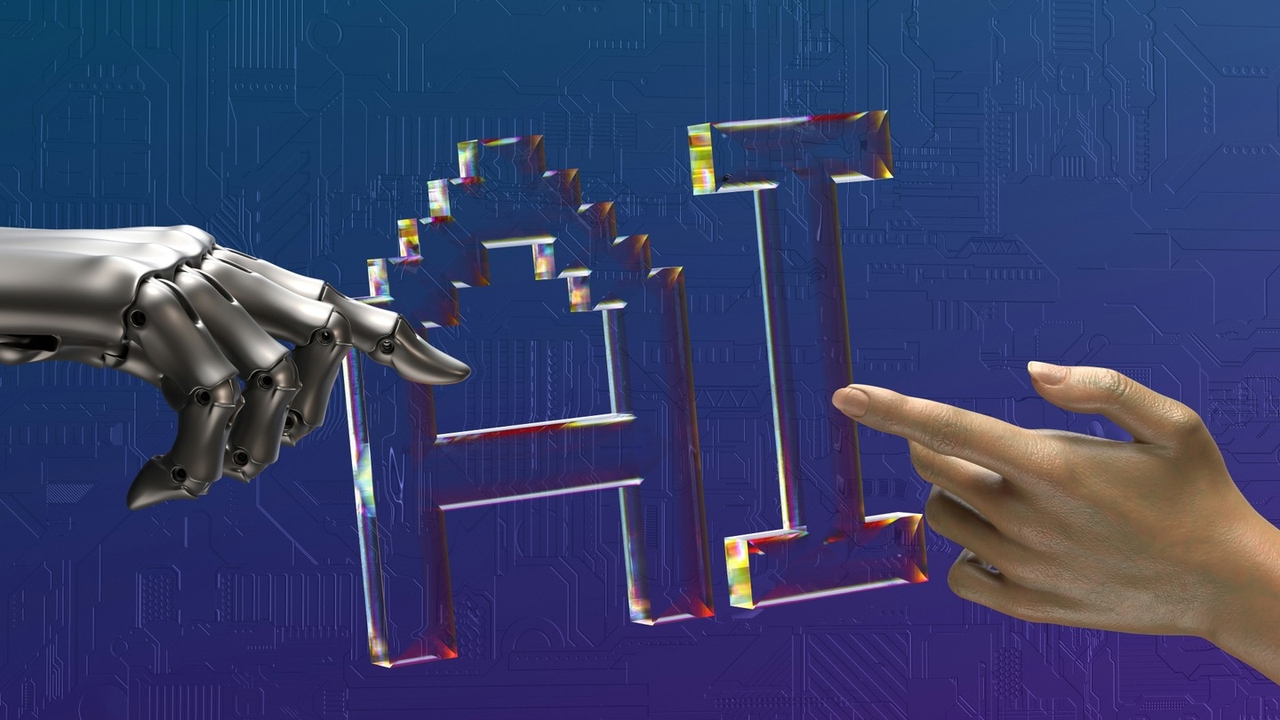
Five technology industry trends revealed as ChatGPT evolves into a personal manager and Gemini takes over search.
The year 2026 is set to mark a pivotal shift for artificial intelligence, evolving from an exciting lab technology to an invisible element embedded in every square inch of daily life, amid widespread societal acceptance and strong resistance alike.
The most notable trend is ChatGPT’s evolution from a simple chatbot to a full-fledged digital butler. With Agent capabilities and integration with external services, in 2026 ChatGPT will manage household errands for users—checking family schedules, booking restaurants based on weather and personal tastes, and even handling insurance claims through photos of actual damages.
This seamless integration will cause AI to fade from screens and instead reside in smart speakers ortelevisions,planning things even before humans have thought of them.
Meanwhile, giant Google is set to completely transform information search from keyword-based queries to an AI-first model centered on Gemini, relegating traditional website link results to secondary status and replacing them with AI Overviews that compile content from multiple sources into a single answer.
Certainly, this convenience will make users see AI like Gemini as indispensable, despite ongoing debates over transparency and content creators’ copyrights.
Another hardware breakthrough may come from AI-powered Smart Glasses with multimodal capabilities that understand the world through visual input. Notably, collaborations between tech giants and fashion brands will make smart glasses more approachable, serving as personal assistants that whisper information through earbuds—translating foreign signs in view, alerting users to approaching acquaintances, or explaining the history of nearby buildings without commands—seamlessly blending augmented reality experiences into everyday life.
On social media, we are entering an era dominated by AI-generated content, especially on Meta platforms where AI-synthesized materials flood feeds in short videos like Reels and FB/IG Stories, blurring the boundary between human creativity and machine production.
However, as everything is algorithmically optimized to perfection and appeal, the resulting monotony may lead some users to crave the rawness and imperfections unique to human creation.
Ultimately, the prevalence of AI content will elevate the value of "AI-Free" labels—products and content guaranteed to be 100% human-made—becoming digital luxury items crafted with real brains and hands. Much like the past popularity of handmade or organic goods, the "No AI Used" tag could become a proud symbol that attracts consumers weary of synthetic worlds. This represents a crucial challenge for humans in 2026: deciding how much to embrace these technologies as part of life.
Source:TechRadar